

salty soil
20 years ago
Sort by:Oldest
Comments (7)
Related Stories
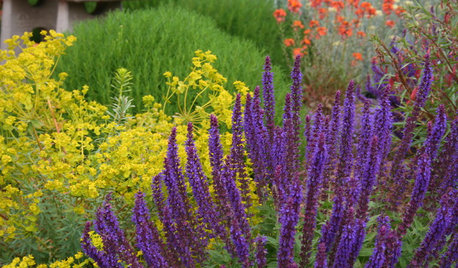
GARDENING GUIDES5 Bright, Cheerful Coastal Garden Flowers
Sandy soil and salty air don't have to mean a dry and dull garden — these 5 flowering plants are beautiful, vivid and remarkably sturdy
Full Story
DECORATING GUIDESImprove Your Style Fortune With Lucky Bamboo
Serve this versatile plant straight up or with a twist for auspicious living decor that thrives without soil
Full Story
LANDSCAPE DESIGNLay of the Landscape: Coastal Garden Style
Seaside gardens can be the ultimate in soothing landscapes if you know how to work with the elements and choose the right plants
Full Story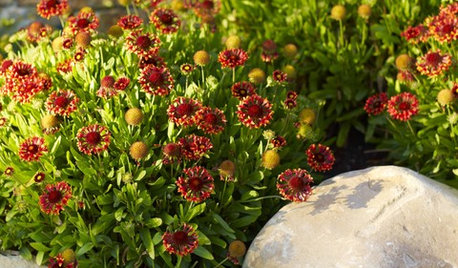
GARDENING FOR BUTTERFLIESGreat Design Plant: Blanket Flower Brings Year-Round Cheer
It's irresistible to wildlife, but this wildflower's drought tolerance, copious blooms and versatility draw human fans too
Full Story
GARDENING AND LANDSCAPINGBreeze Into Coastal Landscapes
Follow the ocean's lead for a dynamic coastal garden with plants and grasses as beautiful as the view
Full Story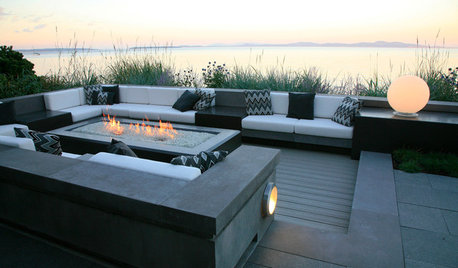
GARDENING AND LANDSCAPINGBeachfront Garden Stands Up to the Elements
A sophisticated outdoor entertaining space relies on tough plants and resilient materials to bring indoor living outside
Full Story
GARDENING GUIDESGreat Design Plant: Comptonia Peregrina
Though not a fern, sweet fern sure smells sweet and thrives in tough spots where many shrubs and ferns cannot
Full Story
GARDENING GUIDESWhat's Wrong With My Plant? Leaves Often Hold the Clues
Learn how to identify common plant ailments by reading their leaves
Full Story
HOUSEPLANTS8 Essentials for Healthy Indoor Plants
Houseplants add so much to our homes — and can thrive when grown in the right conditions. Keep these tips in mind
Full Story
GARDENING AND LANDSCAPINGBid Bad Garden Bugs Goodbye and Usher In the Good
Give ants their marching orders and send mosquitoes moseying, while creating a garden that draws pollinators and helpful eaters
Full Story
gardengal48 (PNW Z8/9)
pablo_nh
Related Professionals
Philadelphia Landscape Architects & Landscape Designers · Fort Dodge Landscape Architects & Landscape Designers · Lafayette Landscape Architects & Landscape Designers · Poughkeepsie Landscape Architects & Landscape Designers · Yakima Landscape Architects & Landscape Designers · Vicksburg Landscape Contractors · Stamford Landscape Contractors · Taunton Landscape Contractors · Augusta Landscape Contractors · Rochester Landscape Contractors · Miami Stone, Pavers & Concrete · Wichita Stone, Pavers & Concrete · Harrisburg Stone, Pavers & Concrete · Providence Stone, Pavers & Concrete · Albuquerque Stone, Pavers & Concretebpgreen
bpgreen
Kimmsr
fertilizersalesman
plot_thickens