

I guess I can not root encore azaleas ?
16 years ago
Featured Answer
Sort by:Oldest
Comments (11)
 16 years ago
- 16 years ago
Related Professionals
Quincy Landscape Architects & Landscape Designers · Tupelo Landscape Architects & Landscape Designers · Eau Claire Landscape Architects & Landscape Designers · Redding Landscape Architects & Landscape Designers · Medford Landscape Architects & Landscape Designers · Greenville Landscape Contractors · Vineland Landscape Contractors · Petersburg Landscape Contractors · Orange County Landscape Contractors · Bismarck Landscape Contractors · Austin Home Additions · Sugar Land Home Additions · Beckley Home Additions · Allentown Home Additions · Billings Home Additions- 16 years ago
- 16 years ago
- 16 years ago
- 2 years agolast modified: 2 years ago
 2 years ago
- 2 years agolast modified: 2 years ago
- 2 years ago
 2 years ago
Related Stories
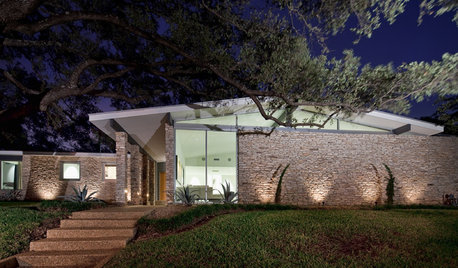
ARCHITECTURERoots of Style: Midcentury Modern Design
Midcentury modern still charms with its linear forms and low-sloping roofs. Appreciate it now — such simplicity can be hard to replicate
Full Story
KIDS’ SPACESAn Enchanted Woodlands Playroom Roots for Imagination
Beguiling and creative, this storybook playspace in a Brooklyn brownstone is right out of a child's dream
Full Story
FUN HOUZZGuessing Game: What Might Our Living Rooms Say About Us?
Take a shot on your own or go straight to just-for-fun speculations about whose homes these could be
Full Story
MODERN ARCHITECTUREVisit a California Hillside House Rooted in Nature
Walls of windows open to stunning mountain and bay views on one side and a serene pool courtyard on the other
Full Story
FEEL-GOOD HOMERejuvenate Your Home With Deep-Rooted Traditions
Give the subtle energies and spiritual side of your home some attention, and watch newfound calm and beauty blossom
Full Story
ARCHITECTURERoots of Style: Ranch Architecture Roams Across the U.S.
Great remodeling potential and generously spaced sites make ranch homes ever popular. Is one of the many variations right for you?
Full Story
ARCHITECTURERoots of Style: Do You Live in a Minimalist Traditional House?
Cottages, bungalows, farmhouses ... whatever you call them, houses in this style share several characteristics. See how many your house has
Full Story
TRADITIONAL ARCHITECTURERoots of Style: Pueblo Revival Architecture Welcomes Modern Life
Centuries-old details of adobe construction still appeal in the desert Southwest, adapted to today's tastes
Full Story
ARCHITECTURERoots of Style: Midcentury Styles Respond to Modern Life
See how postwar lifestyles spawned a range of styles, including minimalist traditional, ranch, split level and modern shed. What's next?
Full Story
TRADITIONAL ARCHITECTURERoots of Style: Italianate Architecture Romances the U.S.
With its towers, cornice details and more, Italianate homes have been enchanting Americans since the 19th-century romantic era
Full Story
Sponsored
More Discussions

gardener365