

rhodo winter burn
19 years ago
Sort by:Oldest
Comments (2)
Related Stories
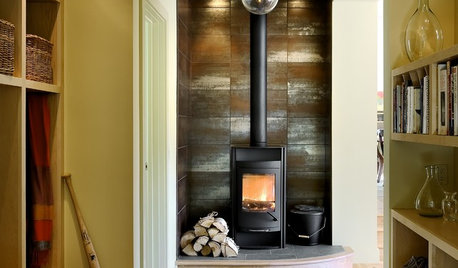
FIREPLACESHeat Your Space in Style with Today's Wood-Burning Stoves
Cleaner burning and streamlined, new wood-burning stoves warm up the room
Full Story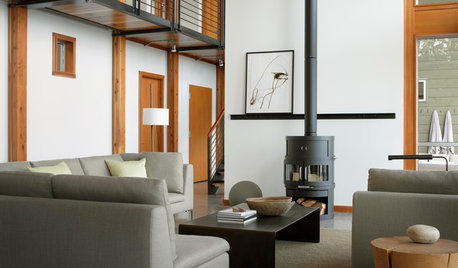
REMODELING GUIDESClean-Burning Woodstoves Ignite a Greener Heating Trend
No need to rely on oil or gas to heat your home — new woodstove designs burn cleanly and are beautiful to boot
Full Story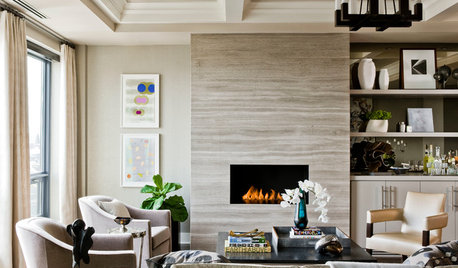
LIVING ROOMSHow to Convert Your Wood-Burning Fireplace
Learn about inserts and other options for switching your fireplace from wood to gas or electric
Full Story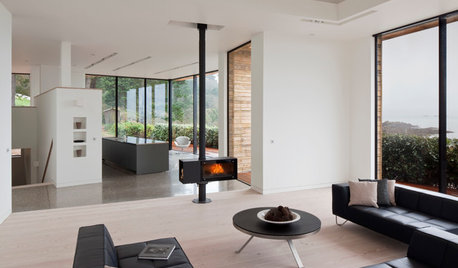
FIREPLACESUpdated Woodstoves Keep Home Fires Burning
Better technology means more efficiency than ever for modern woodstoves
Full Story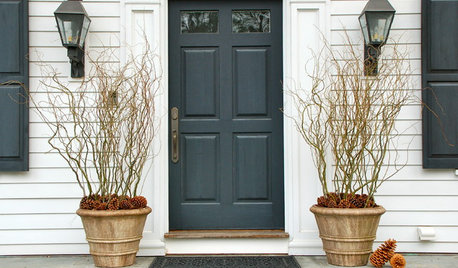
WINTER GARDENINGBranches Bring the Winter Spirit to Container Gardens
Add dimension and drama to winter pots with branches from austere to downright colorful
Full Story
MONTHLY HOME CHECKLISTSYour Winter Home Maintenance Checklist
Keep your home and yard safe and running smoothly as temperatures drop and activity moves indoors
Full Story
VACATION HOMESEssential Elements of an Ideal Winter Cabin
If you dream of a winter getaway with lots of skiing, skating and hot-drink sipping, these tips will make your cabin as cozy as can be
Full Story
FALL AND THANKSGIVINGSimple Pleasures: A Cozy Home in Cold Weather
Stock up on these treats and essentials to make even blustery days and snowed-in time feel special
Full Story
HOUSEKEEPINGGet Ready for Winter the Chilled-Out Way
Doing just a simple task a day for a dozen days will have you and your home saying, "Bring it on" to winter
Full Story
FEEL-GOOD HOMELight Up Winter With DIY Scented Soy Candles
You can whip up these pretty scented soy candles in an afternoon to give friends — or keep for yourself
Full Story
Sponsored
luis_pr
rhodyman
Related Professionals
Bowling Green Landscape Architects & Landscape Designers · Baton Rouge Landscape Architects & Landscape Designers · Gulfport Landscape Architects & Landscape Designers · Rochester Landscape Architects & Landscape Designers · San Luis Obispo Landscape Architects & Landscape Designers · Pocatello Landscape Architects & Landscape Designers · Georgetown Landscape Contractors · Burlington Landscape Contractors · Montgomery Home Additions · Natchez Home Additions · Jacksonville Home Additions · Philadelphia Home Additions · Spartanburg Home Additions · Harrisburg Home Additions · Juneau Home Additions