

New Raised Bed Garden
18 years ago
Sort by:Oldest
Comments (5)
Related Stories
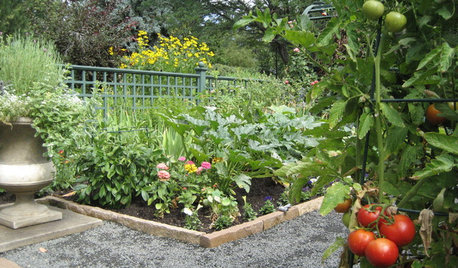
SPRING GARDENINGInspiring Raised Beds for Fall and Spring Planting
Make Your Next Vegetable Garden Even Better with Beautiful Boxes and Paths
Full Story
GARDENING AND LANDSCAPINGRaised Beds Lift Any Garden
From good old-fashioned wood garden boxes to modern metal troughs, raised beds can make any landscape space look great
Full Story
GARDENING AND LANDSCAPINGBuild a Raised Bed to Elevate Your Garden
A bounty of homegrown vegetables is easier than you think with a DIY raised garden bed to house just the right mix of soils
Full Story
GARDENING GUIDES8 Materials for Raised Garden Beds
Get the dirt on classic and new options for raised vegetable and plant beds, to get the most from your year-round garden
Full Story
FARM YOUR YARDHow to Build a Raised Bed for Your Veggies and Plants
Whether you’re farming your parking strip or beautifying your backyard, a planting box you make yourself can come in mighty handy
Full Story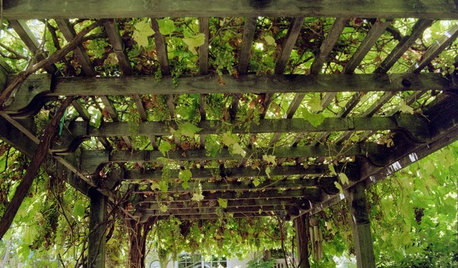
GARDENING AND LANDSCAPINGVertical Gardens Raise the Limits for Landscapes
Turn a small garden space into a towering success with an upward-bound collection of edible delights
Full Story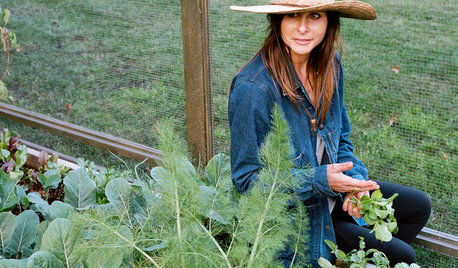
FARM YOUR YARDAdvice on Canyon Farming From L.A.'s Vegetable Whisperer
See how a screened garden house and raised beds help an edible garden in a Los Angeles canyon thrive
Full Story
PATIO OF THE WEEKA Cozy Backyard Escape Warms Seattle Gardeners
Bold hues, a green roof, a functional greenhouse, a fire pit, an arbor and raised beds create a harmonious modern garden
Full Story
GARDENING AND LANDSCAPINGDig This Garden Shed Makeover for Less Than $300
New paint, accessories and raised vegetable beds turn a drab outpost into a colorful charmer
Full Story
GARDENING AND LANDSCAPINGRaise Backyard Chickens Without Ruffling Neighbors' Feathers
Before you build a coop in the backyard, follow these strategies to help keep your neighbors from squawking
Full Story
digdirt2
jenniferny_gardenerOriginal Author
Related Professionals
Birmingham Landscape Architects & Landscape Designers · Panama City Landscape Architects & Landscape Designers · Athens Landscape Architects & Landscape Designers · Merced Landscape Architects & Landscape Designers · Amherstburg Landscape Architects & Landscape Designers · Jacksonville Landscape Contractors · Sedalia Landscape Contractors · McComb Landscape Contractors · Plymouth Landscape Contractors · Brainerd Landscape Contractors · Harrisburg Landscape Contractors · Wilmington Stone, Pavers & Concrete · Detroit Stone, Pavers & Concrete · Omaha Stone, Pavers & Concrete · Redding Stone, Pavers & Concreteval_s
robertz6
digdirt2