

Planting depth?
15 years ago
Sort by:Oldest
Comments (3)
Related Stories
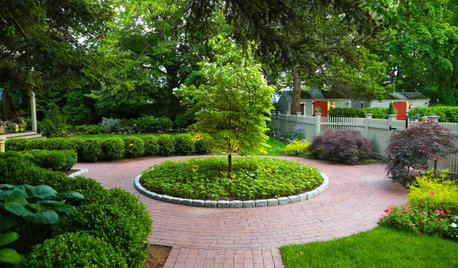
GARDENING GUIDESWhen and How to Plant a Tree, and Why You Should
Trees add beauty while benefiting the environment. Learn the right way to plant one
Full Story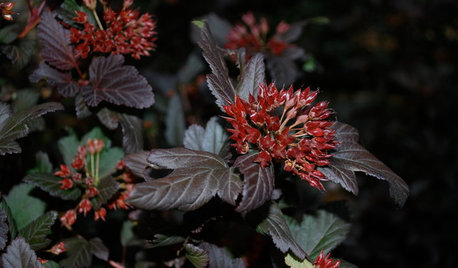
LANDSCAPE DESIGNGreat Design Plant: Sun-Loving Ninebark Puts on a Color Show
This tall, dark and handsome native shrub is equally at home in jeans and boots or in a suit and tie
Full Story
PURPLE FOLIAGE5 Purple-Leaf Majesties of Shrubs
Looking for beautiful depth and dynamism in your landscape? Just add purple
Full Story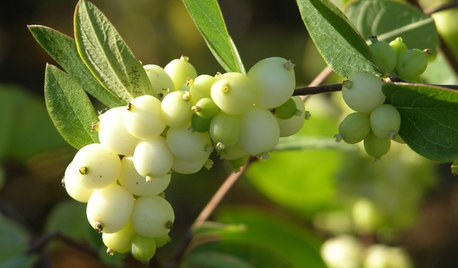
GARDENING GUIDESGreat Design Plant: Snowberry Pleases Year-Round
Bright spring foliage, pretty summer flowers, white berries in winter ... Symphoricarpos albus is a sight to behold in every season
Full Story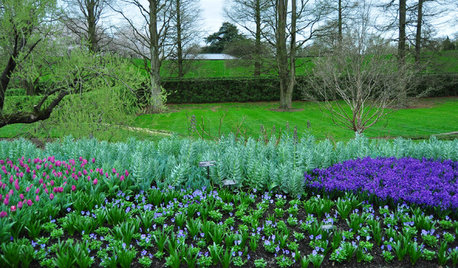
GARDENING GUIDESLayer on the Textures for a Lush Garden Look
If your landscape feels flat, consider creating depth and interest with the color, shape and feel of your plants
Full Story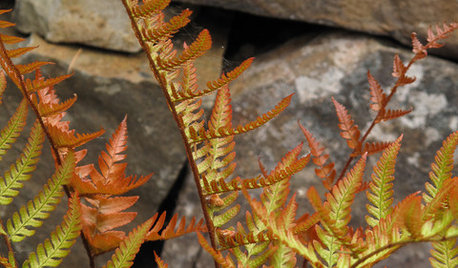
GARDENING GUIDESGreat Design Plant: Autumn Fern Adds Color All Year
Use this evergreen, easy-care fern for soft texture and coppery tints in container gardens and the landscape at large
Full Story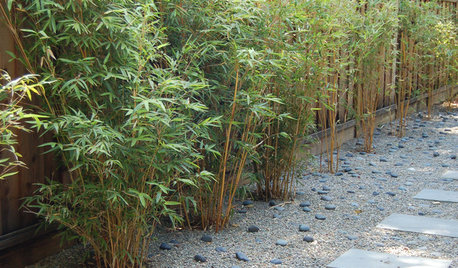
GARDENING GUIDESGreat Design Plant: Alphonse Karr Bamboo
Bamboo gets a bad rap in the garden, but this clumping variety creates an exotic landscape look with less aggressiveness
Full Story
GARDENING GUIDESGreat Design Plant: Iris Versicolor
A versatile native iris for bridging wet and dry gardens
Full Story
FALL GARDENINGWhy Fall Is the Best Time for Planting
Spring is overrated for planting. Starting plants in autumn has advantages for both garden and gardener
Full Story
LANDSCAPE DESIGN4 Gorgeous Garden Looks for a Narrow Planting Strip
Make a strong design statement in an unexpected place with these ideas for perimeter plantings, pocket gardens and more
Full Story

roseseek
michaelg
Related Professionals
Nashville Landscape Architects & Landscape Designers · Nashua Landscape Architects & Landscape Designers · Platteville Landscape Architects & Landscape Designers · Clearlake Landscape Architects & Landscape Designers · Stockton Landscape Architects & Landscape Designers · Salisbury Landscape Contractors · New London Landscape Contractors · Omaha Landscape Contractors · Kennewick Landscape Contractors · Wichita Home Builders · Gaithersburg Home Builders · Fayetteville Home Builders · York Home Builders · Coos Bay Home Builders · Gillette Home BuilderscudabeetomOriginal Author