

Compost top dressing trees/shrubs - question how close to trunks?
17 years ago
Sort by:Oldest
Comments (5)
Related Stories
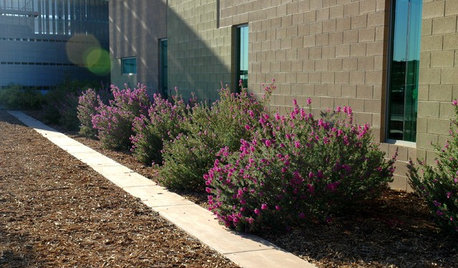
GARDENING GUIDESHow to Avoid Overcrowded, Overpruned Shrubs
Go for a more natural look that’s easier and less expensive to maintain by giving your plants the right amount of growing room
Full Story
SPRING GARDENINGTop 10 Scented Plants for Your Garden
A palette of perfumed plants can transform even the smallest of gardens into a sensory delight
Full Story
DECORATING GUIDESPalm Trees Take Interiors on a Tropical Vacation
Conjure a sultry vibe or bring welcome life to modern rooms. Whatever your interior design style, palm trees are the ticket to enhancing it
Full Story
GARDENING GUIDES5 Best-Behaved Trees to Grace a Patio
Big enough for shade but small enough for easy care, these amiable trees mind their manners in a modest outdoor space
Full Story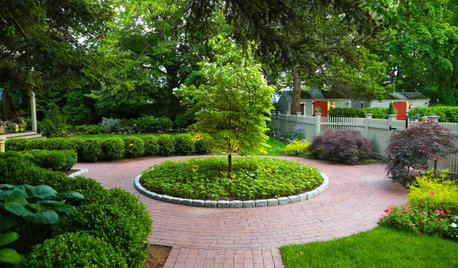
GARDENING GUIDESWhen and How to Plant a Tree, and Why You Should
Trees add beauty while benefiting the environment. Learn the right way to plant one
Full Story
CHRISTMASReal vs. Fake: How to Choose the Right Christmas Tree
Pitting flexibility and ease against cost and the environment can leave anyone flummoxed. This Christmas tree breakdown can help
Full Story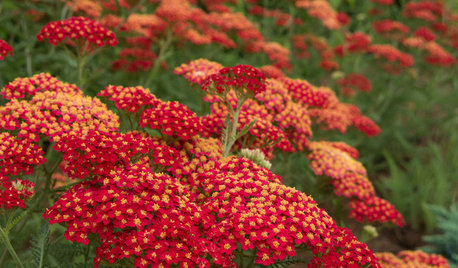
GARDENING GUIDESTop 12 Summer-Blooming Perennials for Deer-Resistant Drama
Can you have garden color, fragrance and exciting foliage with hungry deer afoot? These beauties say yes
Full Story
CURB APPEAL10 Ways to Dress Up the Stoop
Create entryway appeal even in a pint-size area by decorating with plants, paint, rugs and more
Full Story
LANDSCAPE DESIGNGreat Design Plant: Vine Maple
Exciting year-round color and adaptability make this highly ornamental native small tree a top choice for home gardens
Full Story
GARDENING GUIDESGarden Myths to Debunk as You Dig This Fall and Rest Over Winter
Termites hate wood mulch, don’t amend soil for trees, avoid gravel in planters — and more nuggets of garden wisdom
Full Story
organicdan
Wayne ReiboldOriginal Author
Related Professionals
Gaithersburg Landscape Architects & Landscape Designers · Concord Landscape Architects & Landscape Designers · Webster Landscape Architects & Landscape Designers · Fargo Landscape Architects & Landscape Designers · Vancouver Landscape Architects & Landscape Designers · New Orleans Landscape Contractors · Lebanon Landscape Contractors · Modesto Landscape Contractors · San Luis Obispo Landscape Contractors · Amarillo Landscape Contractors · Cheyenne Landscape Contractors · Terre Haute Stone, Pavers & Concrete · Cookeville Stone, Pavers & Concrete · Lynchburg Stone, Pavers & Concrete · San Bernardino Stone, Pavers & Concretemarlingardener
organicdan
gardengal48 (PNW Z8/9)