Software
Houzz Logo Print
debstuart1

such a thing as too much compost?

20 years ago

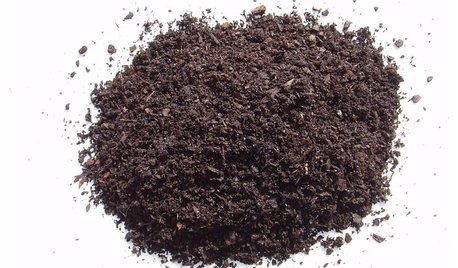
I wanting some opinions on this because...I have access to a nearby town's water treatment plant compost which has been a fabulous boon to my garden. It's very well composted - rich, dryish, nice to work with and has made my garden look terrific. While I wouldn't use it on veggies, I don't think, it is marvelous for perennial border use

Now I've been hired by a friend to do a couple of small raised beds over her very poor soil. I've always had plenty of leaves, my own good dirt, etc. when I went to make these for myself using compost as only one of the ingredients. But she is out in the middle of nowhere and I don't have any stuff to work with. My son is willing to bring a whole dumptruck load of the compost from town - plenty to make the beds with. I would be starting these beds with bulbs and with some perennials from divisions I've made from my garden and doing this next weekend.

My question is (sorry it took so long to get to this!) - is there any reason not to use just the compost to make these? It would be SO easy. But I wonder if it would be too rich?

Opinions???

thanks

Deborah

Comments (12)

  • 20 years ago

    I think that using compost for the first-year garden will be fine. But you've noticed in your own garden, I'm sure, that encouraging earthworms and beneficial microorganisms makes a huge difference; your friend should try to seek out organic materials on a regular basis to incorporate into the soil or to use as mulch.

    This sounds like a great project! Maureen

  • 20 years ago

    Plantng in straight compost with no mineral content at all I would not recommend. All gardens need sand, clay and silt to go with the composted vegetative matter. I try not to exceed one third compost in my planting beds. Al

  • 20 years ago

    Another thought, I think you'd find the volume would reduce considerably as the compost continues to decompose - the depth of the raised bed with bulbs and perennials could end up significantly lower than when you originally plant it.

  • 20 years ago

    Back in the eighties I did exactly what you are contemplating. I built raised beds 10" high and filled them with compost. The plants did beautifully but as morz8 suggests, the next year, the level of the beds had dropped by at least 4". Now, as the crowns of the plants had gone with the level of the compost, it was nearly impossible to add soil to bring the bed height back up. I ended up having to dig up everything, raise the bed level with soil, then replant.

  • 20 years ago

    A couple of years ago I removed sod to make a new island bed. The soil was not at all great, but mostly all I did was remove the largest rocks that appeared, turn and rake the earth, then planted things that do not need rich soil. It is mostly an autumn garden now, and just lovely. It contains asters, eryngium, 3 kinds of ornamental grass, goldenrod, agastache, echinaceas, amsonia, sedum, veronicastrum and more. There are a few spring bulbs and atlas poppies as well. In late Fall the ground up tree leaves get blown by the riding mower onto the island area.

    I took a photo yesterday, but it was VERY windy. I think you get the idea though from the colours.
    {{gwi:183232}}

    So yes, you can have too rich soil for many plants. People who grow Russian Sage for example, find that it sprawls quite a bit in rich soil.

  • 20 years ago

    I wouldn't use straight compost either. It will decompose too rapidly and you need soil to keep it all together. Compost is used to improve the soil, not replace it. The plants might do great the first year, but after that you won't be happy. I did what Gardenbug did to my raised beds. Only I hired out a guy to rototil which was easier for me, esp. in hard soil - he pulled out the largest rocks and I dug out a lot of the soil, but kept enough so that the mix was right. Then I added a fair amount of compost to the beds. Each year after that I top off with compost like I do all my other beds and they have not sunk. You need some kind of binder, like soil, or it won't work. Don't go too crazy with the compost.

  • 20 years ago

    Going along with Gardenbug, I have had some issues with areas I composted, but later tried to plant alpine plants or lean-soil plants in. Plants like eryngium, perovskia, sedum, echinops, scoparium, etc. require full sun and lean, free-draining soil. Planted in these composted beds, they flop. Just something to consider.

  • 20 years ago

    I think you'd find the compost dried out too fast in summer and that it wasn't heavy enough to anchor plants firmly in the soil. I use a lot of organic matter in my clay soil, but not as a complete substitute for the clay.

  • 20 years ago

    Another vote for mixing regular soil with the compost. In a rainy season the compost would be pure sog. Moreover clay hold fertilizer better and releases it to the plant roots - something to do with electrical charges. So you need a mix of sand or grit, clay and compost. Incidentally, you can use chicken or turkey grit (available from feed supply store) to mix in with compost and available clay.

  • 20 years ago

    Being fundamentally lazy, I have expanded several beds by dumping compost around them. Eventually they get great, but the first year or two, they can dry out quite thoroughlly in the summer. Because mine weren't raised beds, just islands in the lawn, I didn't have the height issues. Because I plant mainly shrubs, I typically get through the compost layer. So that the roots are sitting in or one soil.

  • 20 years ago

    I made a huge mistake when I planted my 60' long garden in 100% compost. A few hours after rain it is completely dry. So, I have to go out there nearly everyday to water. Now I mix half compost, half whatever soil was there. Lesson learned.

  • 20 years ago

    I've made beds of pure compost. It works great but you have to replace quite a lot of compost every year because of the shrinkage thing.