

Own Root or Grafted?
18 years ago
Sort by:Oldest
Comments (5)
Related Stories

EDIBLE GARDENSHow to Grow Your Own European and Asian Pears
Try these trees for their good looks, delicious fruit and wide range of sizes — plus you can espalier them
Full Story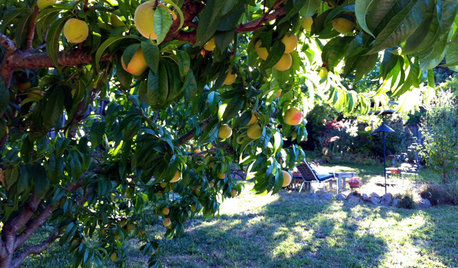
EDIBLE GARDENSHow to Grow Your Own Peaches and Nectarines
Make gardening a little sweeter with these juicy fruits, which you can eat after plucking or preserve for later
Full Story
ARTThe Beauty of Bonsai — Living Art, Rooted in Harmony
Create your own emblem of nature's balance with an art form dating back 1,000 years
Full Story
HOUZZ TOURSMy Houzz: A Texas Home Dances to Its Own Beat
A couple’s Lone Star roots on one side and Norwegian dancing heritage on the other bring eclectic flair to a North Dallas pad
Full Story
ARCHITECTURERoots of Style: See What Defines a Craftsman Home
Charming features and intimate proportions have made Craftsman houses an American favorite. See their common details and variations
Full Story
GARDENING GUIDESThe Beauty of Bare-Root Plants
Plant dormant trees and shrubs in fall using the easy, affordable bare-root method and enjoy beautiful results in spring
Full Story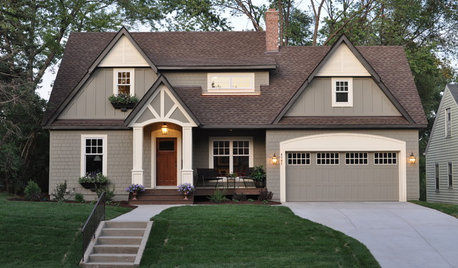
ARCHITECTURERoots of Style: Where Did Your House Get Its Look?
Explore the role of architectural fashions in current designs through 5 home styles that bridge past and present
Full Story
TRADITIONAL ARCHITECTURERoots of Style: Italianate Architecture Romances the U.S.
With its towers, cornice details and more, Italianate homes have been enchanting Americans since the 19th-century romantic era
Full Story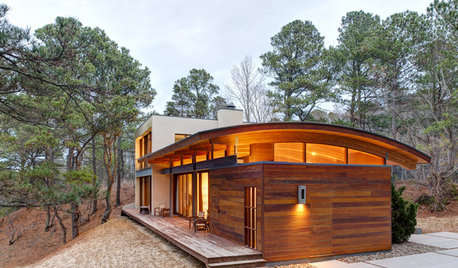
ARCHITECTURERoots of Style: The Segmental Vault Home
Distinctive and proud, these houses may be more common than you might first realize
Full Story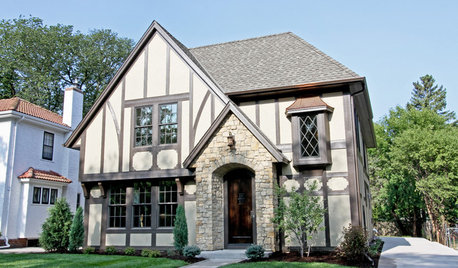
ROOTS OF STYLERoots of Style: The Indelible Charm of American Tudors
Rich details and an intimate scale give this English-inspired architectural style memorable character and flexibilty
Full Story


wirosarian_z4b_WI
hoovb zone 9 sunset 23
Related Professionals
Rocky Mount Landscape Architects & Landscape Designers · Bloomington Landscape Architects & Landscape Designers · Medford Landscape Architects & Landscape Designers · Lagrange Landscape Architects & Landscape Designers · Magnolia Landscape Contractors · Pine Bluff Landscape Contractors · Belleville Landscape Contractors · Mount Vernon Landscape Contractors · Branson Landscape Contractors · New Bedford Landscape Contractors · Bismarck Landscape Contractors · Somerset Home Builders · Charleston Home Builders · Wausau Home Builders · Butte Home Buildersgnabonnand
jbcarr
mike_in_new_orleans