

Amaryllis pollinators and time
20 years ago
Sort by:Oldest
Comments (8)
Related Stories
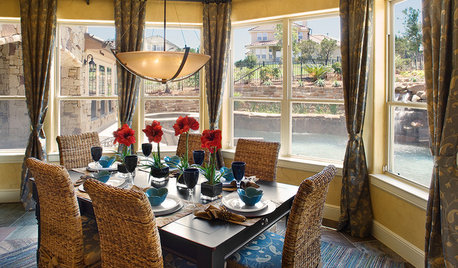
HOUSEPLANTSHow to Force Amaryllis Bulbs Indoors
Enjoy vibrant red blossoms even as gardens turn snowy white, by teaching this hardy repeat performer to ignore the calendar
Full Story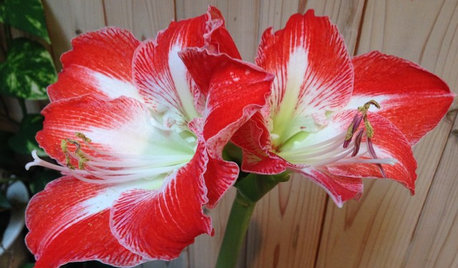
WINTER GARDENINGHow to Get an Amaryllis to Rebloom
Enjoy glorious flowers year after year just when you need them most, with this step-by-step strategy
Full Story
GARDENING GUIDESYou Don't Need Prairie to Help Pollinators
Woodlands, marshes, deserts — pollinators are everywhere
Full Story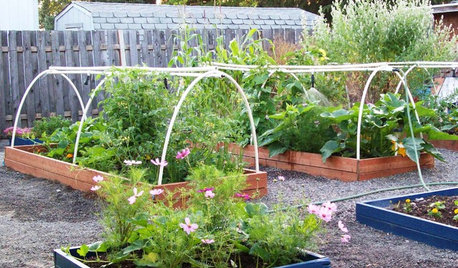
BENEFICIAL INSECTSAttract Pollinators for a Productive Edible Garden
You can lure bees, butterflies and birds into your yard with the right flowers and nesting spots
Full Story
GARDENING GUIDESMeet the Grass-Carrying Wasp, a Gentle Pollinator of Summer Flowers
These fascinating insects nest in wood cavities and hollow plant stems
Full Story
NATIVE PLANTSPlant These Fall-Flowering Natives in Early Summer for Pollinator Love
These 3 groups of plants will support masses of beneficial insects come autumn
Full Story
GARDENING GUIDESGreat Design Plant: Smooth Aster, the Wonder Pollinator
An insect nirvana with lovely near-blue petals, this low-maintenance aster strives to please
Full Story
GARDENING GUIDESGreat Design Plant: California Buckwheat Pleases Pollinators
Beneficial insects go wild for this drought-tolerant plant’s summer flowers, while seed heads feed critters foraging in the cold
Full Story
GARDENING GUIDES7 Ecofriendly Gardening Ideas That Also Cut Chore Time
Spend less time weeding, less money watering and more moments just sitting back and enjoying your healthy garden
Full Story
GARDENING GUIDES10 Easy Edibles for First-Time Gardeners
Focus on these beginner-friendly vegetables, herbs, beans and salad greens to start a home farm with little fuss
Full Story
Sponsored
More Discussions
mariava7
tokyomafia
Related Professionals
Morgan City Landscape Architects & Landscape Designers · Dayton Landscape Architects & Landscape Designers · Sugar Land Landscape Architects & Landscape Designers · Edison Landscape Architects & Landscape Designers · Oneonta Landscape Architects & Landscape Designers · Cleveland Landscape Architects & Landscape Designers · Fort Myers Landscape Contractors · Newport Landscape Contractors · Bismarck Landscape Contractors · Kahului Landscape Contractors · Queens Landscape Contractors · Greenville Architects & Building Designers · Charleston Architects & Building Designers · Charlottesville Architects & Building Designers · Leominster Architects & Building Designerslora_in
baciOriginal Author
bigoledude
brigarif Khan
Carol love_the_yard (Zone 9A Jacksonville, FL)
lora_in