

was Mint discussion; now Plant nectar source
20 years ago
Sort by:Oldest
Comments (3)
Related Stories
GARDENING FOR BUTTERFLIESGreat Design Plant: Virginia Mountain Mint
Watch a world of insects dine on this Midwest native, an easy bloomer that washes the garden (and your skin) in scents of cool mint
Full Story
GARDENING FOR BUTTERFLIESGreat Design Plant: 'Charity' Oregon Grape
Giving nectar to hummingbirds and delicious berries to all, 'Charity' is a four-season garden delight that lives up to its name
Full Story
GARDENING GUIDESGreat Design Plant: Butterfly Milkweed, a Beacon in the Prairie
Vivacious orange flowers for you, nectar for the butterflies and bees. Asclepias tuberosa is worth planting for more reasons than one
Full Story
GARDENING GUIDESGreat Design Plant: Cleome Serrulata
Beckon bees and other pollinators in for a drink of nectar from this western U.S. native’s late-summer flowers
Full Story
GARDENING AND LANDSCAPINGHouzz Survey: See What Homeowners Are Doing With Their Landscapes Now
Homeowners are busy putting in low-maintenance landscapes designed for outdoor living, according to the 2015 Houzz landscaping survey
Full Story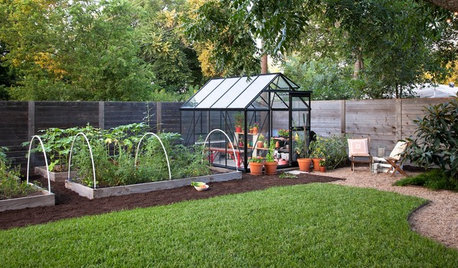
EDIBLE GARDENSA Formerly Weedy Lot Now Brims With Edibles and Honeybees
Photographers transform their barren backyard into an oasis filled with fruit, vegetables, honey, eggs and more
Full Story
GARDENING GUIDESGreat Design Plant: Callirhoe Involucrata Wakes Up Hot Garden Spots
Give a dry and sunny garden a jolt of violet-pink color summer to fall — and watch bees and butterflies flock to the nectar
Full Story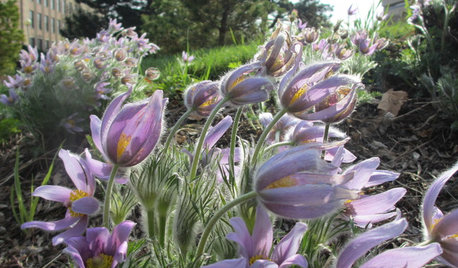
GARDENING GUIDES6 Plants That Beat Butterfly Bush for the Wildlife Draw
It's invasive, a nonnative and a poor insect magnet. Check out these better alternatives to butterfly bush in the garden
Full Story
KITCHEN DESIGNHistoric Stone Barn Now a Country Farmhouse Kitchen
A designer carves out a cooking and dining space while carefully preserving the protected 17th-century structure
Full Story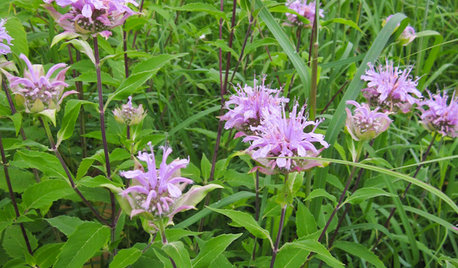
NATIVE PLANTSGreat Design Plant: Wild Bergamot, Friend of Foragers
Nourish butterflies and other winged creatures with the tubular flowers of Monarda fistulosa, a pretty pink native
Full Story
Sponsored
More Discussions
scrappyjack
txbeeguyOriginal Author
Related Professionals
Fort Myers Landscape Architects & Landscape Designers · Clarksburg Landscape Architects & Landscape Designers · Saint Marys Landscape Architects & Landscape Designers · Napa Landscape Architects & Landscape Designers · Calgary Landscape Architects & Landscape Designers · Daytona Beach Landscape Contractors · Macon Landscape Contractors · Morgan City Landscape Contractors · California Landscape Contractors · College Station Landscape Contractors · Sterling Landscape Contractors · Logan Landscape Contractors · Gainesville General Contractors · Brunswick General Contractors · Quincy General Contractorshoneyman46408