

Host plant for Pipevine Swallowtail?
19 years ago
Sort by:Oldest
Comments (8)
Related Stories
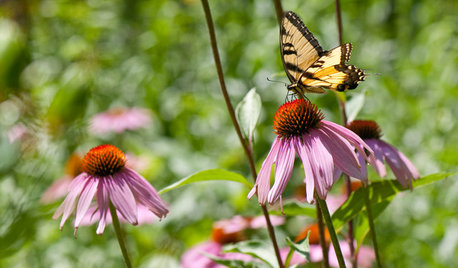
GARDENING GUIDESEntice Eastern Tiger Swallowtails With Summer Flowers
Grow nectar-rich native bloomers and larval host plants for these endearing butterflies
Full Story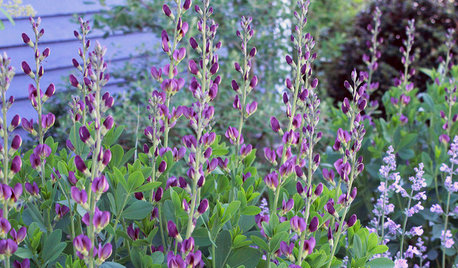
GARDENING FOR BUTTERFLIES7 Native Wildflowers to Make You an Awesome Butterfly Host
Offer the leaves of these and you’ll get more butterflies than with flower nectar alone
Full Story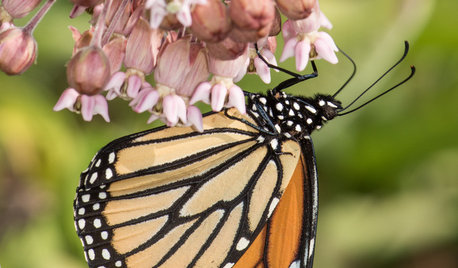
FLOWERS AND PLANTSHelp Monarchs and Other Butterflies by Planting Common Milkweed
Summer-blooming Asclepias syriaca is an important larval host plant for the monarch butterfly and attracts a number of pollinating insects
Full Story
GARDENING GUIDESGreat Design Plant: Lindera Benzoin Offers 3-Season Interest
Support wildlife and enjoy the aromatic leaves of this U.S. native also known as spicebush, Benjamin bush and spicewood
Full Story
GARDENING GUIDES6 Plants That Beat Butterfly Bush for the Wildlife Draw
It's invasive, a nonnative and a poor insect magnet. Check out these better alternatives to butterfly bush in the garden
Full Story
GARDENING GUIDESGreat Design Plant: Silphium Perfoliatum Pleases Wildlife
Cup plant provides structure, cover, food and water to help attract and sustain wildlife in the eastern North American garden
Full Story
GARDENING GUIDESGreat Design Plant: Golden Alexanders for Early Spring Color
Get sunny flowers while other garden growers are still asleep, with this adaptable prairie plant beloved by butterflies
Full Story
GARDENING GUIDESGreat Design Plant: Sassafras Albidum
This eastern native tree has beautiful foliage, a spicy aroma and a rich history
Full Story
GARDENING GUIDESLet's Weed Out 4 Native Plant Myths
Plant wisely for a garden that supports pollinators and requires less work
Full Story
GARDENING GUIDESGreat Design Plant: Discover Queen of the Prairie's Sweet Aroma
If you like the look of cotton candy and the smell of roses and want an easy perennial, you're in luck with this plant
Full Story
MissSherry
Msrpaul
Related Professionals
Bloomington Landscape Architects & Landscape Designers · Middlesboro Landscape Architects & Landscape Designers · New Bedford Landscape Architects & Landscape Designers · Panama City Landscape Contractors · Kansas City Landscape Contractors · Clarksdale Landscape Contractors · Muskogee Landscape Contractors · Jackson Landscape Contractors · Newport Landscape Contractors · Bend Landscape Contractors · Waterloo Home Builders · North Adams Home Builders · Flint Home Builders · Ithaca Home Builders · Las Vegas Home BuilderskelpOriginal Author
kelpOriginal Author
MissSherry
kelpOriginal Author
susanlynne48
kelpOriginal Author