

Butterfly larvae or pest?
19 years ago
Sort by:Oldest
Comments (2)
Related Stories
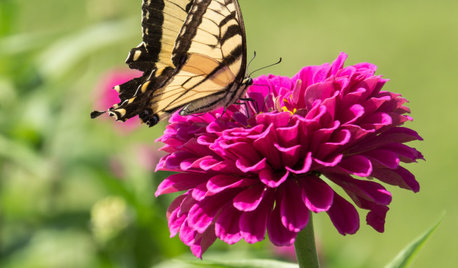
GARDENING GUIDES20 Favorite Flowers for Butterflies and Bouquets
Discover perennials and annuals that do double duty as butterfly magnets and versatile cut flowers
Full Story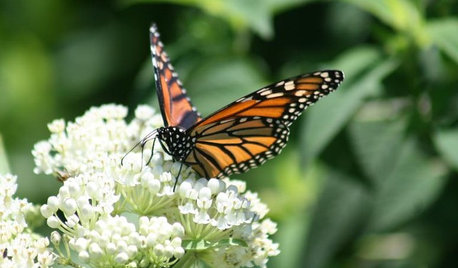
GARDENING FOR BUTTERFLIESBe a Butterfly Savior — Garden for the Monarchs
Keep hope, beauty and kindness alive in the landscape by providing a refuge for these threatened enchanters
Full Story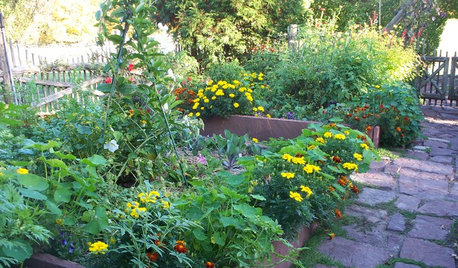
GARDENING GUIDESOrganic Matters: Thwart Insect Pests With Trap Crops
Add a few sacrificial plants to your garden to lure insects away from the harvest
Full Story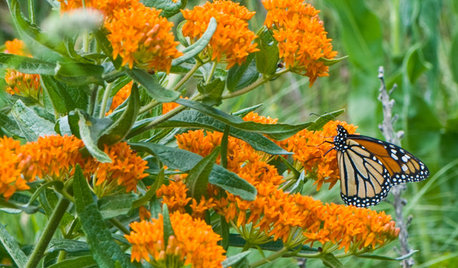
GARDENING GUIDESGreat Design Plant: Butterfly Milkweed, a Beacon in the Prairie
Vivacious orange flowers for you, nectar for the butterflies and bees. Asclepias tuberosa is worth planting for more reasons than one
Full Story
GARDENING GUIDES6 Plants That Beat Butterfly Bush for the Wildlife Draw
It's invasive, a nonnative and a poor insect magnet. Check out these better alternatives to butterfly bush in the garden
Full Story
FLOWERS AND PLANTSHelp Monarchs and Other Butterflies by Planting Common Milkweed
Summer-blooming Asclepias syriaca is an important larval host plant for the monarch butterfly and attracts a number of pollinating insects
Full Story
GARDENING FOR BUTTERFLIESButterfly Gardening: Delight the Eyes With Living Sculptures
Surprise and thrill with a garden that attracts magical winged creatures, bringing color, movement and life
Full Story
GARDENING FOR BUTTERFLIES7 Native Wildflowers to Make You an Awesome Butterfly Host
Offer the leaves of these and you’ll get more butterflies than with flower nectar alone
Full Story
GARDENING GUIDESAmerican Lady Butterflies Add Delight to Summer Gardens
Provide native nectar and larval host plants to welcome these migratory butterflies
Full Story
GARDENING GUIDESMourning Cloak Butterflies Herald Spring
These butterflies feed at tree-sap flows in spring and visit native plant flowers for nectar in early summer
Full Story
MissSherry
soitgoesOriginal Author
Related Professionals
Winston-Salem Landscape Architects & Landscape Designers · Niles Landscape Architects & Landscape Designers · Kahului Landscape Architects & Landscape Designers · Kissimmee Landscape Contractors · Willmar Landscape Contractors · San Francisco Landscape Contractors · Elizabethtown Home Builders · Elizabeth City Home Builders · Winston-Salem Home Builders · Enid Home Builders · Virginia Beach Home Builders · Detroit Home Builders · Tucson Home Builders · Clearlake Home Builders · Dickinson Home Builders