

Bob - Which is Which?
16 years ago
Sort by:Oldest
Comments (9)
Related Stories
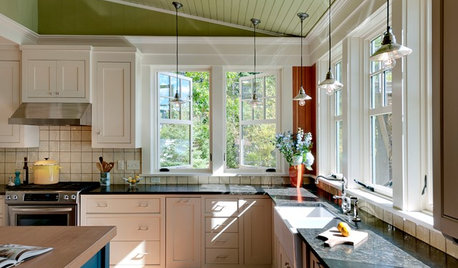
REMODELING GUIDESWhich Window for Your World?
The view and fresh air from your windows make a huge impact on the experience of being in your house
Full Story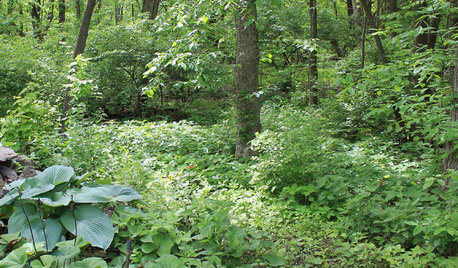
LANDSCAPE DESIGNGarden Overhaul: Which Plants Should Stay, Which Should Go?
Learning how to inventory your plants is the first step in dealing with an overgrown landscape
Full Story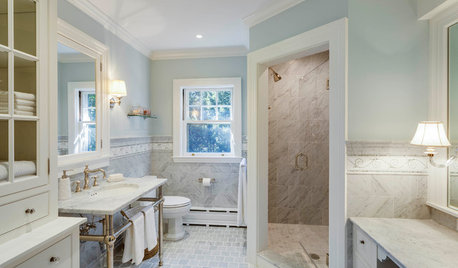
BATHROOM DESIGNWhich Bathroom Vanity Will Work for You?
Vanities can be smart centerpieces and offer tons of storage. See which design would best suit your bathroom
Full Story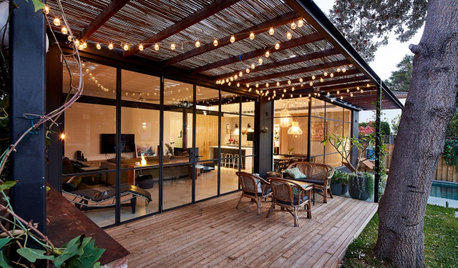
LANDSCAPE DESIGNWhich Pergola Is Right for You?
A covered pergola can increase the time you spend in your outdoor living space. Which covering should you choose?
Full Story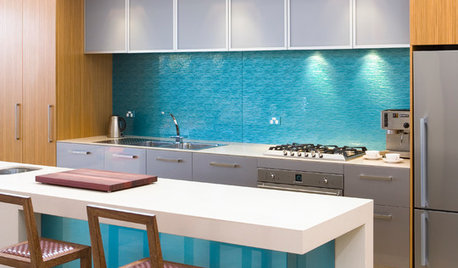
KITCHEN DESIGNHouzz Quiz: Which Kitchen Backsplash Material Is Right for You?
With so many options available, see if we can help you narrow down the selection
Full Story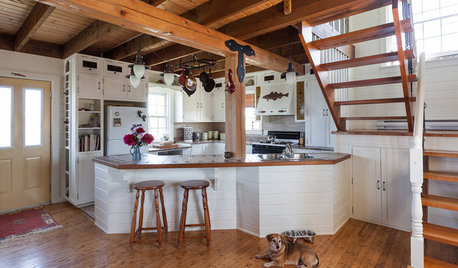
KITCHEN DESIGNOpen vs. Closed Kitchens — Which Style Works Best for You?
Get the kitchen layout that's right for you with this advice from 3 experts
Full Story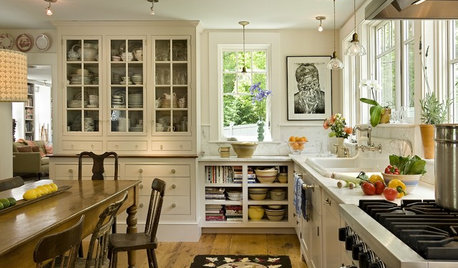
KITCHEN DESIGN12 Great Kitchen Styles — Which One’s for You?
Sometimes you can be surprised by the kitchen style that really calls to you. The proof is in the pictures
Full Story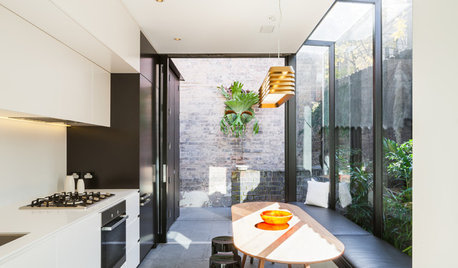
FURNITUREWhich Dining Table Shape Should You Choose?
Rectangular, oval, round or square: Here are ways to choose your dining table shape (or make the most of the one you already have)
Full Story
DECORATING GUIDESWhich Rooms Get the Oscar?
On the eve of Hollywood’s night of nights, we bring you top films from the past year and their interior twins
Full Story
FUN HOUZZHouzz Quiz: Which Midcentury Modern Chair Are You?
Have a seat for a little fun. Better yet, have a seat that has you written all over it
Full Story
Sponsored
runmede
bettyd_z7_vaOriginal Author
Related Professionals
Green Bay Landscape Architects & Landscape Designers · York Landscape Architects & Landscape Designers · Emporia Landscape Contractors · Elizabeth City Landscape Contractors · Portsmouth Landscape Contractors · Bartlesville Landscape Contractors · Duluth Landscape Contractors · Edison Landscape Contractors · Manhattan Landscape Contractors · Wenatchee Landscape Contractors · Macon Home Builders · Beckley Home Builders · Muncie Home Builders · Niles Home Builders · Rochester Home Buildersrunmede
bob_71
bettyd_z7_vaOriginal Author
bob_71
bettyd_z7_vaOriginal Author
bob_71
bettyd_z7_vaOriginal Author