

What is grafting?
20 years ago
Sort by:Oldest
Comments (5)
Related Stories
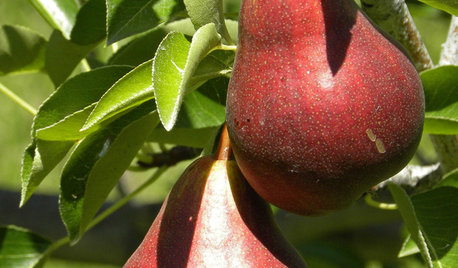
EDIBLE GARDENSHow to Grow Your Own European and Asian Pears
Try these trees for their good looks, delicious fruit and wide range of sizes — plus you can espalier them
Full Story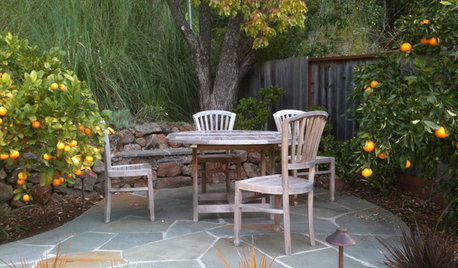
GARDENING AND LANDSCAPINGCrazy for Fruit Trees
Whether a single citrus or a mini apple orchard, even the smallest landscape space can bear deliriously delicious fruit
Full Story
EDIBLE GARDENSHow to Grow 10 Favorite Fruit Trees at Home
Plant a mini orchard in fall, winter or early spring to enjoy fresh-off-the-tree fruit the following year
Full Story
FARM YOUR YARDIf You Have Room for Only One Fruit Tree ...
Juice up a small garden with one of these easier-care or worth-the-effort fruit trees for a mild climate
Full Story
WINTER GARDENINGPruning Secrets for Exquisite Roses
Encourage gorgeous blooms year after year with this time-tested advice on how to prune your rosebush in winter for health and shape
Full Story
EDIBLE GARDENSHow to Add an Apple Tree to Your Edible Garden
Readily available, beautiful and fragrant, apple trees offer four-season interest along with crisp, juicy fruit
Full Story
GARDENING GUIDESGreat Design Plant: Tsuga Canadensis ‘Bennett’
Bennett Canadian hemlock thrives in shade and provides sculptural interest in eastern U.S. gardens
Full Story
SMALL SPACES11 Design Ideas for Splendid Small Living Rooms
Boost a tiny living room's social skills with an appropriate furniture layout — and the right mind-set
Full Story
TREES11 Japanese Maples for Breathtaking Color and Form
With such a wide range to choose from, there’s a beautiful Japanese maple to suit almost any setting
Full Story
PLANTING IDEASThese Aren’t Your Grandparents’ Junipers
Dislike junipers? Maybe it’s time to discover new varieties and new uses for this garden workhorse
Full StorySponsored

Columbus Design-Build, Kitchen & Bath Remodeling, Historic Renovations
birdsnblooms
malcolm_manners
Related Professionals
Dalton Landscape Architects & Landscape Designers · Beaumont Landscape Architects & Landscape Designers · Spring Landscape Architects & Landscape Designers · Anniston Landscape Architects & Landscape Designers · Lubbock Landscape Architects & Landscape Designers · Redding Landscape Architects & Landscape Designers · Great Bend Landscape Contractors · Galveston Landscape Contractors · Richmond Landscape Contractors · Las Cruces Landscape Contractors · Florence Home Builders · Wichita Falls Home Builders · Charleston Home Builders · Boston Home Builders · Coldwater Home Buildersjoereal
disneygirlOriginal Author
joereal