

Grafting Question
21 years ago
Sort by:Oldest
Comments (12)
Related Stories

EDIBLE GARDENSHow to Grow 10 Favorite Fruit Trees at Home
Plant a mini orchard in fall, winter or early spring to enjoy fresh-off-the-tree fruit the following year
Full Story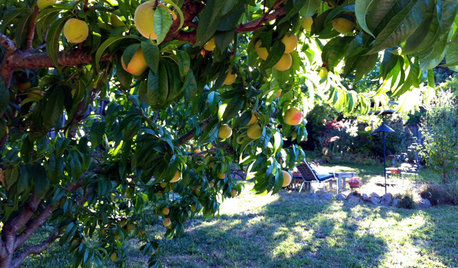
EDIBLE GARDENSHow to Grow Your Own Peaches and Nectarines
Make gardening a little sweeter with these juicy fruits, which you can eat after plucking or preserve for later
Full Story
LANDSCAPE DESIGNHow to Create an Unforgettable Garden
Make an impression that will linger long after visitors have left by looking for the possibilities and meaning in your landscape
Full Story
EVENTSOn Show: Weird, Wondrous Science Meets Design
Houses grown, not built. Power-generating soil. And snail poop that ... well, see for yourself in our coverage of a new Rotterdam exhibit
Full Story
WINTER GARDENINGPruning Secrets for Exquisite Roses
Encourage gorgeous blooms year after year with this time-tested advice on how to prune your rosebush in winter for health and shape
Full Story
FARM YOUR YARDIf You Have Room for Only One Fruit Tree ...
Juice up a small garden with one of these easier-care or worth-the-effort fruit trees for a mild climate
Full Story
EDIBLE GARDENSHow to Add an Apple Tree to Your Edible Garden
Readily available, beautiful and fragrant, apple trees offer four-season interest along with crisp, juicy fruit
Full Story
SMALL SPACES11 Design Ideas for Splendid Small Living Rooms
Boost a tiny living room's social skills with an appropriate furniture layout — and the right mind-set
Full Story
GARDENING GUIDESGreat Design Plant: Tsuga Canadensis ‘Bennett’
Bennett Canadian hemlock thrives in shade and provides sculptural interest in eastern U.S. gardens
Full Story
PLANTING IDEASThese Aren’t Your Grandparents’ Junipers
Dislike junipers? Maybe it’s time to discover new varieties and new uses for this garden workhorse
Full Story
Sponsored
joereal
Tropical_BeduinOriginal Author
Related Professionals
Alexandria Landscape Architects & Landscape Designers · Aurora Landscape Architects & Landscape Designers · Milwaukee Landscape Architects & Landscape Designers · Santa Barbara Landscape Architects & Landscape Designers · Olympia Landscape Architects & Landscape Designers · Paducah Landscape Contractors · Orlando Landscape Contractors · Pittsburg Landscape Contractors · Athens Landscape Contractors · Portsmouth Landscape Contractors · Boston Landscape Contractors · Evanston Landscape Contractors · Concord Home Builders · Omaha Home Builders · Fresno Home BuildersLaaz
malcolm_manners
Tropical_BeduinOriginal Author
joereal
tamstrees
dustball62
mrtexas
bencelest
gonebananas_gw
joereal