

Raised Bed Veggie Mulch
15 years ago
Sort by:Oldest
Comments (7)
Related Stories

FARM YOUR YARDHow to Build a Raised Bed for Your Veggies and Plants
Whether you’re farming your parking strip or beautifying your backyard, a planting box you make yourself can come in mighty handy
Full Story
GARDENING GUIDES8 Materials for Raised Garden Beds
Get the dirt on classic and new options for raised vegetable and plant beds, to get the most from your year-round garden
Full Story
GARDENING GUIDESNew Ways to Think About All That Mulch in the Garden
Before you go making a mountain out of a mulch hill, learn the facts about what your plants and soil really want
Full Story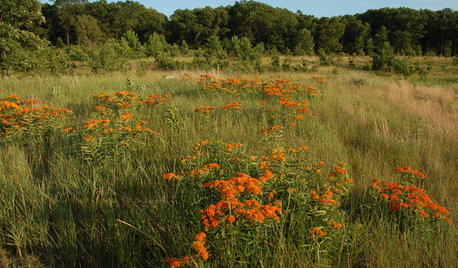
GARDENING GUIDESThe Art of Green Mulch
You can design a natural garden that doesn’t rely on covering your soil with wood and bark mulch
Full Story
GARDENING AND LANDSCAPINGBuild a Raised Bed to Elevate Your Garden
A bounty of homegrown vegetables is easier than you think with a DIY raised garden bed to house just the right mix of soils
Full Story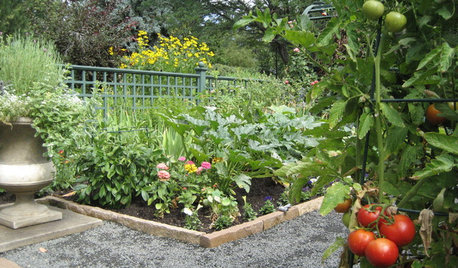
SPRING GARDENINGInspiring Raised Beds for Fall and Spring Planting
Make Your Next Vegetable Garden Even Better with Beautiful Boxes and Paths
Full Story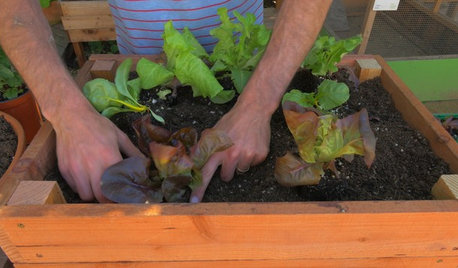
HOUZZ TVHouzz TV: How to Make and Plant a Veggie Box
See how to start edibles from seed, then transfer the seedlings to a box on stilts to make harvesting more fun
Full Story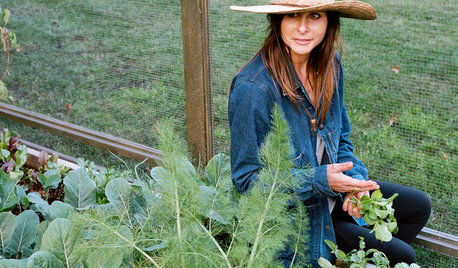
FARM YOUR YARDAdvice on Canyon Farming From L.A.'s Vegetable Whisperer
See how a screened garden house and raised beds help an edible garden in a Los Angeles canyon thrive
Full Story
REGIONAL GARDEN GUIDESCentral Plains Gardener's October Checklist
Fall foliage color and crisp mornings, plus mulching beds and planting spring bulbs, make October a gardener's heaven
Full Story
GARDENING AND LANDSCAPINGDig This Garden Shed Makeover for Less Than $300
New paint, accessories and raised vegetable beds turn a drab outpost into a colorful charmer
Full Story
Sponsored
jpin9a
deannacOriginal Author
Related Professionals
California Landscape Architects & Landscape Designers · Miami Landscape Architects & Landscape Designers · Roanoke Landscape Architects & Landscape Designers · Edison Landscape Architects & Landscape Designers · Green Bay Landscape Architects & Landscape Designers · Las Cruces Landscape Architects & Landscape Designers · Elizabethtown Landscape Contractors · Sedalia Landscape Contractors · Concord Landscape Contractors · Cedar Rapids Landscape Contractors · Miami Kitchen Remodelers · Fayetteville Kitchen Remodelers · Syracuse Kitchen Remodelers · Akron Kitchen Remodelers · Boise Kitchen Remodelerstinael01
thonotorose
thonotorose
gardengimp
carolb_w_fl_coastal_9/10