

identify fragrant shrub
20 years ago
Sort by:Oldest
Comments (9)
Related Stories
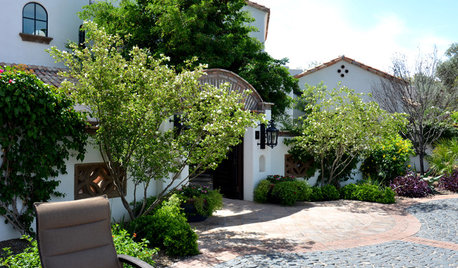
FLOWERS AND PLANTSBauhinia Lunarioides Perfumes the Garden With Its Fragrant Flowers
Bees and butterflies flock to this Texas shrub’s white and pink flowers in spring and summer
Full Story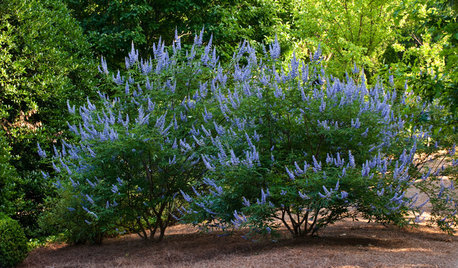
FLOWERS AND PLANTSVitex Agnus-Castus Fills Gardens With Fragrant Blooms and Foliage
Spikes of purple flowers adorn chaste tree’s aromatic foliage throughout the warm season in Southern gardens
Full Story
GARDENING GUIDES8 Plants for a Deliciously Fragrant Fall Garden
Scent the autumn air with the perfume of caramel corn, honey and spices by adding these intoxicating plants to your landscape
Full Story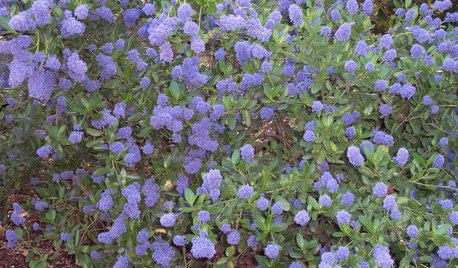
GARDENING GUIDESGreat Design Plant: Ceanothus Pleases With Nectar and Fragrant Blooms
West Coast natives: The blue flowers of drought-tolerant ceanothus draw the eye and help support local wildlife too
Full Story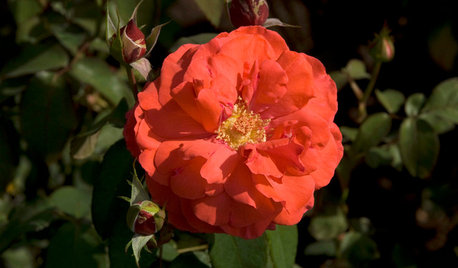
GARDENING GUIDES6 Captivating Roses for an Alluringly Fragrant Garden
Perfume your garden with aromas from richly spicy to lightly sweet, without sacrificing an inch of color
Full Story
GARDENING GUIDESYour Garden: 6 Fragrant Plants Surprise and Delight
Enchant the senses and enliven your landscape with scented foliage that goes beyond everyday florals
Full Story
FALL GARDENING9 Deer-Resistant Flowering Shrubs to Plant This Fall
These exquisite shrubs will attract your attention but won’t tempt the deer that roam your neighborhood at night
Full Story
GARDENING GUIDESHow to Prune Your Flowering Shrubs for the Best Blooms
Less is often more when it comes to properly pruning flowering shrubs. Here’s what to do and why
Full Story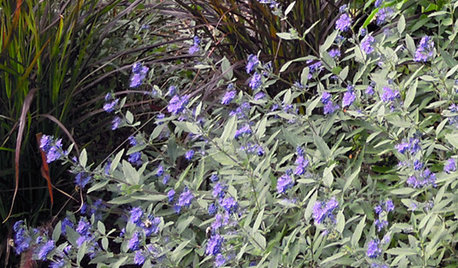
SHRUBS5 Glorious Late-Season Shrubs
Spilling over with berries or bursting with blooms, these stunning underused shrubs keep the garden party going through fall
Full Story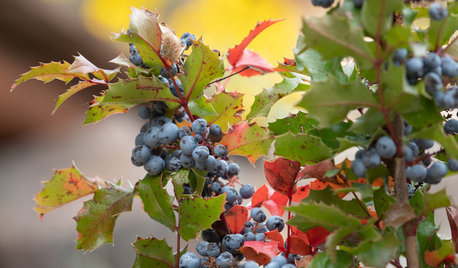
GARDENING GUIDES8 Deer-Resistant Elegant Evergreen Shrubs to Plant This Fall
Who knew that such beautiful shrubs could be deer-resistant?
Full Story
Sponsored
More Discussions
cweathersby
silverkitty777
Related Professionals
Lake City Landscape Architects & Landscape Designers · Chattanooga Landscape Architects & Landscape Designers · Norfolk Landscape Architects & Landscape Designers · Middletown Landscape Contractors · Rolla Landscape Contractors · Cherry Hill Landscape Contractors · Cookeville Landscape Contractors · Beaumont Landscape Contractors · Augusta Landscape Contractors · Marquette Landscape Contractors · Willmar Landscape Contractors · California Kitchen Remodelers · Petersburg Kitchen Remodelers · Erie Kitchen Remodelers · San Jose Kitchen RemodelersburntplantsOriginal Author
burntplantsOriginal Author
cweathersby
cweathersby
burntplantsOriginal Author
rian
bogturtle