

Touching plants can kill??
17 years ago
Sort by:Oldest
Comments (5)
Related Stories
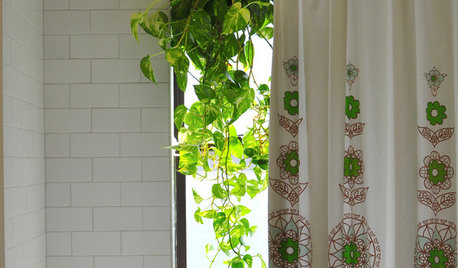
MOST POPULARThe Perfect Houseplant for People Who Kill Houseplants
If you can fill a jar with water, you can keep golden pothos vine happy — and it will pay you back with cleaner air and a greener home
Full Story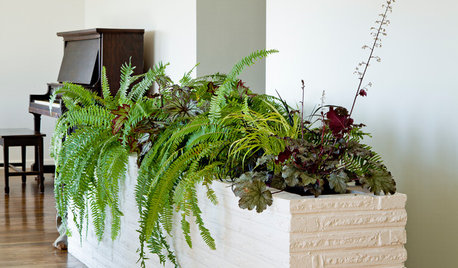
HOUSEPLANTS8 Houseplants You Can't Kill
They're forgiving and let you forget. Houseplants don't get any easier than this
Full Story
BEDROOMSThe Cure for Houzz Envy: Master Bedroom Touches Anyone Can Do
Make your bedroom a serene dream with easy moves that won’t give your bank account nightmares
Full Story
BUDGET DECORATINGThe Cure for Houzz Envy: Entryway Touches Anyone Can Do
Make a smashing first impression with just one or two affordable design moves
Full Story
KITCHEN DESIGNThe Cure for Houzz Envy: Kitchen Touches Anyone Can Do
Take your kitchen up a notch even if it will never reach top-of-the-line, with these cheap and easy decorating ideas
Full Story
CLOSETSThe Cure for Houzz Envy: Closet Touches Anyone Can Do
These easy and inexpensive moves for more space and better organization are right in fashion
Full Story
DECORATING GUIDESThe Cure for Houzz Envy: Dining Room Touches Anyone Can Do
Get a decorator-style dining room on the cheap with inexpensive artwork, secondhand furniture and thoughtful accessories
Full Story
MUDROOMSThe Cure for Houzz Envy: Mudroom Touches Anyone Can Do
Make a utilitarian mudroom snazzier and better organized with these cheap and easy ideas
Full Story
BUDGET DECORATINGThe Cure for Houzz Envy: Living Room Touches Anyone Can Do
Spiff up your living room with very little effort or expense, using ideas borrowed from covetable ones
Full Story
COLORWhen Color Could Kill: Stories From the History of Paint
Delve into paint's storied past — what you learn about its history and modern incarnations may surprise you
Full Story
corar4gw
watermelon7Original Author
Related Professionals
Sugar Land Landscape Architects & Landscape Designers · South Bend Landscape Architects & Landscape Designers · Eau Claire Landscape Architects & Landscape Designers · Pueblo Landscape Architects & Landscape Designers · Brunswick Landscape Contractors · Carbondale Landscape Contractors · Emporia Landscape Contractors · Charlotte Landscape Contractors · Elgin Landscape Contractors · Redding Landscape Contractors · Twin Falls Landscape Contractors · Chicago Kitchen Remodelers · Buffalo Kitchen Remodelers · Carson City Kitchen Remodelers · Twin Falls Kitchen Remodelerstclynx
watermelon7Original Author
gatormomx2