Software
Houzz Logo Print
robyn_27614

I think I have a problem

17 years ago

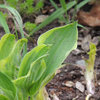
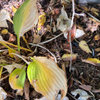
I moved to NC in 2007 and brought a lot of PA hostas with me. Last year they looked fine but this year may are coming back with fewer and smaller eyes. I have removed some from the ground, they lift easily with few roots. Some of the roots are hollow and mushy and the old crown seems to be mostly gone. The few eyes that are there are putting out new roots which seem healthy. I have been searching the net and found a lot of information about crown rot and southern blight but I admit to being confused. I didn't see any symptoms on the leaves last year and really was blaming my problem on voles until I inspected the plant that I dug up. Can anyone tell me the difference between southern blight and crown rot so I can figure out my problem. Then maybe I have a chance to figure out how to treat it.

Comments (11)

  • 17 years ago

    That sounds like my garden in 2006. I never did know for sure what fungus (or animal) was causing all my damage. I never did see any of the round, spore sclerotia that form with Southern Blight. I ended up doing the bleach bath for the ones with the softest roots. I read about hostas in containers here, and I never looked back. I have lost a few in containers since then, but not many. I know what a sickening feeling it is to look at all that damage. Sorry your spring is starting off on such a sour note.
    Mary

  • 17 years ago

    Mary,

    What kind of soil do you use in the containers and do you sink the container in the ground or sit it on top? How do you store for the winter? Did not realize growing hostas was a problem here since there are growers in the area.

  • 17 years ago

    I have had a small area in one of my hosta beds that has had Southern Blight the last two summers. It always showed up about half way through the summer, never had a problem this early. But I am not a SB expert. I have used Bayer all in one rose and flower care with very good results - easily found at the Home Depot. See the link...

    Jeff

    Here is a link that might be useful: Bayer All In One Rose and Flower Care

  • 17 years ago

    Robyn,
    I use pine mulch. They have a product called pine fines up north, but they don't sell it around here. I experimented with adding compost, but I have found that straight mulch works better for me. In my climate the compost could hold too much water and cause rot. Plenty of people here use the compost in the mix. The nice thing about pine mulch is that it holds water but drains. You can bury the pots if you like. If you suspect voles, you may want to put screen in the bottom of your pots. I do have to watch out for termites that love the pine mulch. The Bayer products are good. I guess it all depends on how widespread your problem is and how much heat you have to deal with in your zone 7. Hope you find the solution that works for you.
    Mary

  • 17 years ago

    I use fir bark out here in the West. 80% tiny bark chips and 20% planting mix or compost. Anything that doesn't drain out of my pots immediately gives me root rot. I lost about 1/3 of mine finding that out.

    -Babka

  • 17 years ago

    when you planted them from pots into the soil ... did you remove the potting soil ...

    what is your soil ...

    if there is a great divergence between the potting media and the soil ... and you left the hosta in it .... you probably have what i call promix disease ...

    verify my presumptions .. and i can expand on the topic ...

    and.. did you water sufficiently for your new zone???

    ken

  • 17 years ago

    Ken,
    Could you tell more about promix disease?
    Glo

  • 17 years ago

    its not really a disease ...

    i potted 1500 hosta to move them ....

    when i got here... i had the beds tilled.. and then just stuck the ball of promix in the yellow mineral sand ...

    without taking away the promix ...

    later in summer.. and for years after.. up until this day ... the sand will wick the water out of the peat ... and once peat is dry.. you will never re-wet it [ma nature can do it, but you cant even with drip irrigation] ....and basically .. the plant will regress and/or die from lack of water.. summer dormancy... crown rot ... dry rot .... etc ...

    in soil science terms ... the interface between divergent soil types is problematic ... which is another way of saying.. dont over-amend a planting hole ....

    ken

  • 17 years ago

    I think my problem was dry rot. We moved to Raleigh, NC in July 2007. We prepared beds and waited till the fall to plant the hostas. I did remove most of the soil I used in the pots before planting. It wasn't potting soil that I purchased it was soil from the bottom of a old compost pile that was an accumulation of years of rotted leaves. I think the key is that NC was having a really bad drought and I didn't provide enough water. Most of the plants looked like they were doing well during summer 2008 but unbeknownst to me the dry rot got hold and destroyed most of the crown and roots. I don't think all my hostas were affected but definitely the ones getting the most sun. Will know better now.

  • 17 years ago

    yeah.. i think you got it ...

    my promix disease ... would be dry rot ...

    not to repeat.. but for others..

    in pots.. USE POTTING MEDIA .... not soil ... or compost ..

    media is designed so as to be predictable in many variables ...

    all the pots will dry similarly .. so they will all need water at the same time.. they will all hold the same amount of water.. etc ...

    when you start using soil ... e.g. ... you might drown one pot.. while starving another.. just because the soil may differ from pot to pot ...

    its the predictability that make working with the pots easier ...

    its NOT that you CANT use soil ... its just that media makes it easier.. though more expensive.... and when it becomes easier .... your success rate goes up ...

    and media is designed to weigh a fraction of soil.. when you have a lot of pots to move ...

    link below to a discussion from the conifer forum .. there is no difference regarding hosta ...

    now.. buck up.. i lost about 108 hosta when i moved.. so .. you arent alone ...

    good luck otherwise ...

    ken

    Here is a link that might be useful: link

  • 17 years ago

    Ok, so to recover your plants NOW, once you can identify them ( and map them for those of us who have too many and want to keep their identities correct), dig them up, cut off all the dry roots/rotted roots, bleach in 10% bleach for a couple of hours (sterilize your sharp cutting knife in bleach solution as well), replant and keep moist.

    Any living tissue will quickly adjust and off you go - somewhat slower growing but you won't lose them.

    If you don't clean them up soon, they will still grow but struggle against the old dying parts, which become home for pathogenic opportunistic fungi and bacteria.

    I have moved many hosta ( summer moves are killer) and experienced what you have - and saved them this way.

    Bruce

Sponsored
Peabody Landscape Group
Average rating: 3.5 out of 5 stars8 Reviews
Columbus' Reliable Landscape Design & Contracting