

New house with Hydrangea - What do I do with it?
18 years ago
Sort by:Oldest
Comment (1)
Related Stories
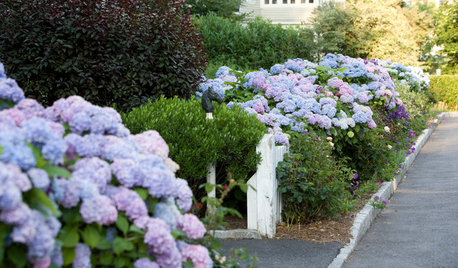
FLOWERSWhy You Should Give Hydrangeas a Place in Your Yard
The exuberant mop-headed beauties evoke dreams of an endless summer by the sea
Full Story
GARDENING AND LANDSCAPINGHave a Ball With Hydrangeas
Even if you don't tinker with the hue by changing the soil, hydrangeas have an entertaining range of uses in all kinds of landscapes
Full Story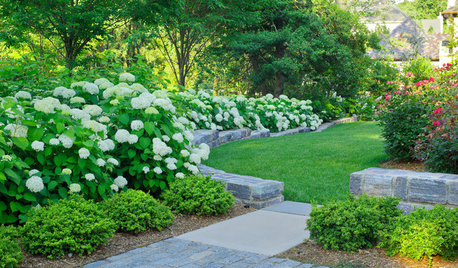
FLOWERS AND PLANTSHydrangea Arborescens Illuminates Garden Borders and Paths
This long-blooming eastern North American native shrub finds a home in landscapes around the world
Full Story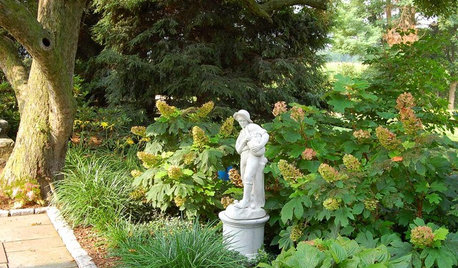
GARDENING GUIDESGreat Design Plant: Oakleaf Hydrangea
Consider this full, flowering shrub for year-round beauty in the garden as you plan your fall plantings
Full Story
LIFEThe Polite House: Do I Have to Display Decor Given to Me as a Gift?
Etiquette columnist Lizzie Post tackles the challenge of accepting and displaying home decor gifts from frequent visitors
Full Story
LANDSCAPE DESIGNRelish the Romance of a Slovenian Garden
Dappled with coneflowers and bursting with hydrangeas, a romantic European garden near the Julian Alps inspires enchantment
Full Story
LIFEThe Polite House: How Can I Kindly Get Party Guests to Use Coasters?
Here’s how to handle the age-old entertaining conundrum to protect your furniture — and friendships
Full Story
THE POLITE HOUSEThe Polite House: Can I Put a Remodel Project on Our Wedding Registry?
Find out how to ask guests for less traditional wedding gifts
Full Story
LIFEThe Polite House: How Can I Tell a Construction Crew to Pipe Down?
If workers around your home are doing things that bother you, there’s a diplomatic way to approach them
Full Story
GARDENING GUIDESCalifornia Gardener's June Checklist
Update your hydrangeas, catch up on tomatoes and more ways to enjoy your California garden in June
Full Story
luis_pr
Related Professionals
Middletown Landscape Architects & Landscape Designers · Glenwood Springs Landscape Architects & Landscape Designers · Indianapolis Landscape Contractors · Baltimore Landscape Contractors · Hartford Landscape Contractors · Fargo Landscape Contractors · Los Angeles Landscape Contractors · Napa Landscape Contractors · Vancouver Landscape Contractors · Fort Smith Design-Build Firms · Carbondale Design-Build Firms · Gulfport Design-Build Firms · Longview Design-Build Firms · Temecula Design-Build Firms · Amherstburg Design-Build Firms