

Plants drying from the bottom up. Why?
16 years ago
Sort by:Oldest
Comments (10)
Related Stories

GARDENING GUIDESGreat Design Plant: Desert Marigold Cheers Up Hot, Dry Areas
Sunny but tough, this perennial thrives with little water and lots of sun
Full Story
GARDENING GUIDESYes, You Can Grow an Edible Garden on a Hot, Dry Site
Difficult garden spots don’t need to deter you from planting trees, herbs and other delicious food plants
Full Story
GARDENING GUIDESGreat Design Plant: Wild Lupine Dresses Up Rocky Gardens
Spiky blue flowers and a high tolerance for poor soil make this plant ideal for tough sites
Full Story
GARDENING GUIDESGreat Design Plant: Callirhoe Involucrata Wakes Up Hot Garden Spots
Give a dry and sunny garden a jolt of violet-pink color summer to fall — and watch bees and butterflies flock to the nectar
Full Story
GARDENING GUIDESGreat Design Plant: Thalictrum Dioicum Thrives in Dry Shade
Plant early meadow-rue in eastern U.S. woodland gardens for its tolerance of dry sites and shade
Full Story
GARDENING GUIDESGreat Design Plant: Achillea Millefolium for Dry California Gardens
Yarrow attracts painted ladies and scares off garden thugs in native habitats and vegetable gardens
Full Story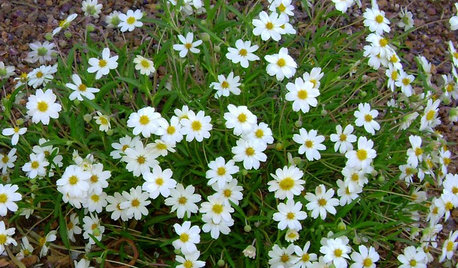
GROUND COVERSGreat Design Plant: Blackfoot Daisy for Prettier Dry Ground
Don’t let its delicate looks fool you. This ground cover can survive extreme cold and heat, and with little water to boot
Full Story
LANDSCAPE DESIGNHow and What to Plant in Dry, Sunny Spots
Save water and improve your site’s look with these design tips and help from a pro
Full Story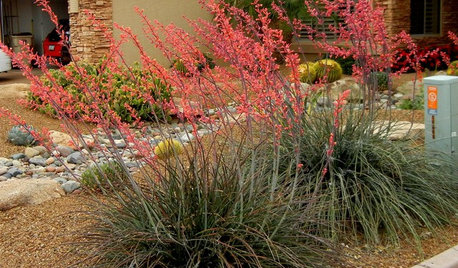
GARDENING FOR BUTTERFLIESGreat Design Plant: Red Yucca Spikes Dry Spots With Color
Neither heat nor cold nor lack of water fazes this flowering succulent, which adds spiky texture to Southwestern landscapes
Full Story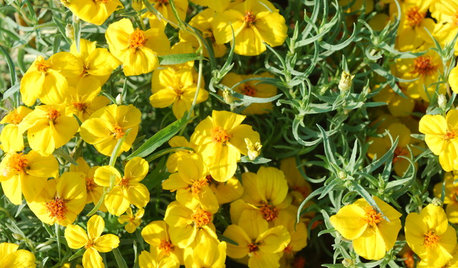
GARDENING GUIDESGreat Design Plant: Rocky Mountain Zinnia Brightens Hot, Dry Spots
Sunshiny flowers provide a showy drift of color in desert and prairie gardens — this native perennial is hardier than it looks
Full Story
Sponsored
More Discussions
ethnobotany
bbrush
Related Professionals
Winona Landscape Architects & Landscape Designers · Chico Landscape Architects & Landscape Designers · Concord Landscape Architects & Landscape Designers · Portsmouth Landscape Contractors · Charleston Landscape Contractors · Johnson City Landscape Contractors · Waterloo Landscape Contractors · Portland Landscape Contractors · Grand Forks Landscape Contractors · Billings Landscape Contractors · Missoula Landscape Contractors · Rockford Home Additions · Youngstown Home Additions · San Bernardino Home Additions · Casper Home Additionslucas_formulas
urbangardenfarmer
bbrush
lucas_formulas
lucas_formulas
paloaltomarkOriginal Author
georgeiii
lucas_formulas