

confused!!!!
19 years ago
Sort by:Oldest
Comments (2)
Related Stories
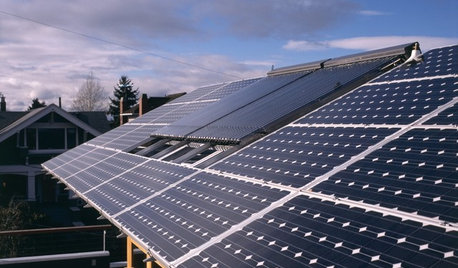
GREEN BUILDINGLet’s Clear Up Some Confusion About Solar Panels
Different panel types do different things. If you want solar energy for your home, get the basics here first
Full Story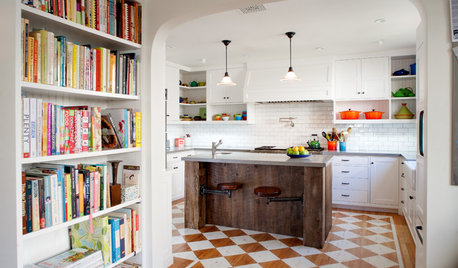
HOUZZ TOURSHouzz Tour: Better Flow for a Los Angeles Bungalow
Goodbye, confusing layout and cramped kitchen. Hello, new entryway and expansive cooking space
Full Story
ARCHITECTURESimplicity vs. Simpleness in Architecture — and Why You Should Care
Don't confuse these two concepts; your home's beauty and ability to inspire are at stake
Full Story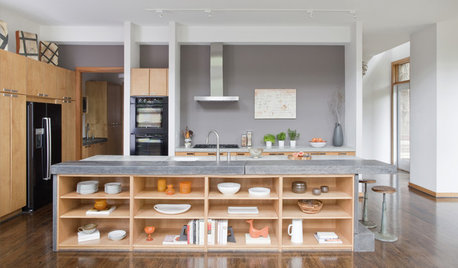
KITCHEN DESIGNHow to Design a Kitchen Island
Size, seating height, all those appliance and storage options ... here's how to clear up the kitchen island confusion
Full Story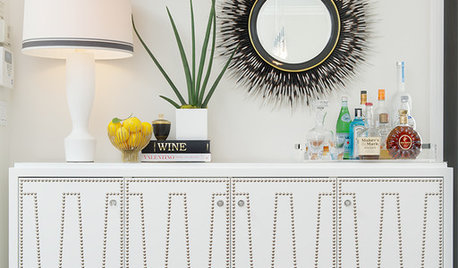
DINING ROOMSBuffet, Sideboard, Server, Credenza: What's the Difference?
Learn the definitions and details to make shopping for dining room storage furniture less confusing
Full Story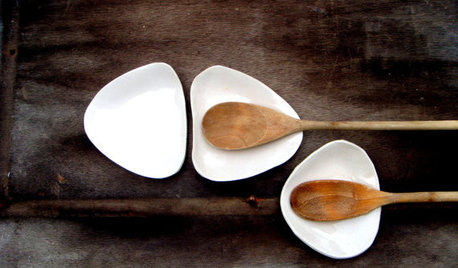
PRODUCT PICKSGuest Picks: Soothing Accents of White
Calm your color confusion and set up a restful space with white accessories, artwork and lighting
Full Story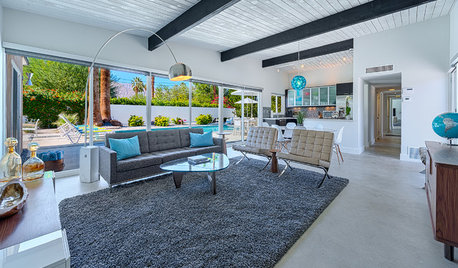
LIGHTINGBask in Lamplight's Comfort This Season
Get pro insight on lamp styles, shades and ever-confusing bulbs to enjoy the benefits of lamplight on long, cold nights
Full Story
ARTWhat's in a Frame?
Artwork languishing unhung because frame styles seem too confusing? These guidelines can help
Full Story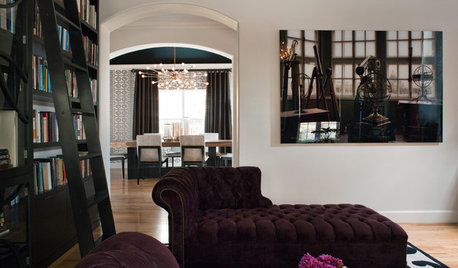
DECORATING GUIDESChaise, Divan, Daybed, Settee: What's the Difference?
Seeking the right furniture piece for lounging, sitting or even snoozing? We clear up the confusion in terms
Full Story
FURNITURESmart Shopper: How to Buy a Mattress
Confusing options, hair-raising prices, haggling ... Our guide can keep you from losing sleep over mattress shopping
Full Story
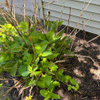
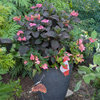
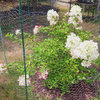
bluetifulOriginal Author
luis_pr
Related Professionals
Corpus Christi Landscape Contractors · Danville Landscape Contractors · New Haven Landscape Contractors · Grand Island Landscape Contractors · Show Low Landscape Contractors · Bismarck Landscape Contractors · Medford Landscape Contractors · Tacoma Landscape Contractors · Amherstburg Landscape Contractors · Sarnia Landscape Contractors · Albany Design-Build Firms · Topeka Design-Build Firms · Kenosha Design-Build Firms · Amarillo Design-Build Firms · Cowansville Design-Build Firms