

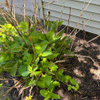
dying climbing hydrangea
20 years ago
Sort by:Oldest
Comments (5)
Related Stories

GARDENING AND LANDSCAPINGHave a Ball With Hydrangeas
Even if you don't tinker with the hue by changing the soil, hydrangeas have an entertaining range of uses in all kinds of landscapes
Full Story
GARDENING AND LANDSCAPINGPorch Life: 12 Ways to Beautify a Porch With Plants
Abundantly welcoming, plants rooted in pots, hanging in baskets or climbing up a trellis add life to porches
Full Story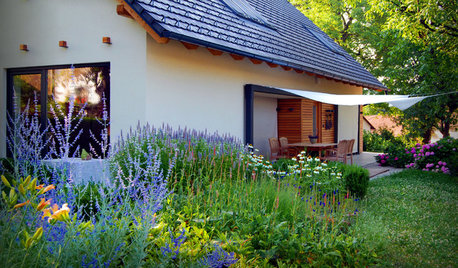
LANDSCAPE DESIGNRelish the Romance of a Slovenian Garden
Dappled with coneflowers and bursting with hydrangeas, a romantic European garden near the Julian Alps inspires enchantment
Full Story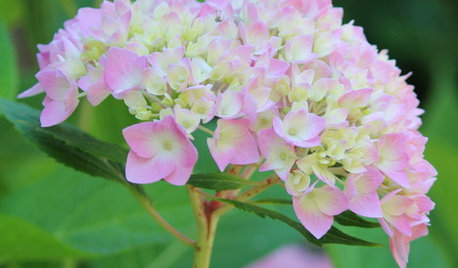
GARDENING GUIDESCalifornia Gardener's June Checklist
Update your hydrangeas, catch up on tomatoes and more ways to enjoy your California garden in June
Full Story
DECORATING GUIDESConjure a Jungle in a Pot
Sprawling, climbing and with primitive-looking leaves, philodendrons bring untamed beauty to even the most civilized homes
Full Story
INDUSTRIAL STYLEKitchen of the Week: Style Trumps Ease in a San Francisco Loft
What’s a little ladder climbing when you’ve got a gorgeous-looking kitchen design like this?
Full Story
REMODELING GUIDESContractor's Tips: 10 Things Your Contractor Might Not Tell You
Climbing through your closets and fielding design issues galore, your contractor might stay mum. Here's what you're missing
Full Story
GARDENING GUIDES10 Drought-Tolerant Shrubs That Thrive in Full Sun and Reflected Heat
Got a hot spot in your garden where plants often die? Try these tough shrubs that add beauty while shrugging off the heat
Full Story
GARDENING GUIDES5 Great Plants for Borders and Screens
Get the effects of a shrub but in less time — and drawing more winged pollinators — with these herbaceous perennials
Full Story
INSPIRING GARDENSWe Can Dream: Lush Life on a Historic Normandy Estate
New gardens surround centuries-old buildings on a 10-acre property in France, creating a beautiful haven
Full Story
luis_pr
jean001
Related Professionals
Brunswick Landscape Architects & Landscape Designers · Baltimore Landscape Architects & Landscape Designers · Bartlesville Landscape Architects & Landscape Designers · Pocatello Landscape Architects & Landscape Designers · Wichita Landscape Contractors · Lafayette Landscape Contractors · Bennington Landscape Contractors · Victoria Landscape Contractors · Selma Design-Build Firms · Palm Bay Design-Build Firms · Florence Design-Build Firms · Frisco Design-Build Firms · Nashua Design-Build Firms · Concord Design-Build Firms · Juneau Design-Build FirmsggrumkeOriginal Author
mizliz
luis_pr