

root length as a function of nutrient levels?
20 years ago
Sort by:Oldest
Comments (7)
Related Stories

ARCHITECTURERoots of Style: The Historic Australian Brick House
With their mix of old-world charm and modern extensions, Australia’s brick villas and bungalows remain well designed for today’s lifestyles
Full Story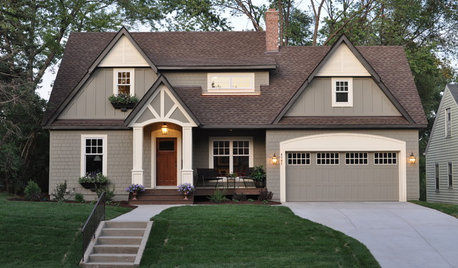
ARCHITECTURERoots of Style: Where Did Your House Get Its Look?
Explore the role of architectural fashions in current designs through 5 home styles that bridge past and present
Full Story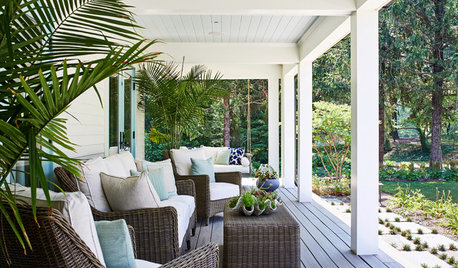
STANDARD MEASUREMENTSThe Right Dimensions for Your Porch
Depth, width, proportion and detailing all contribute to the comfort and functionality of this transitional space
Full Story
KITCHEN DESIGN16 Practical Ideas to Borrow From Professional Kitchens
Restaurant kitchens are designed to function efficiently and safely. Why not adopt some of their tricks in your own home?
Full Story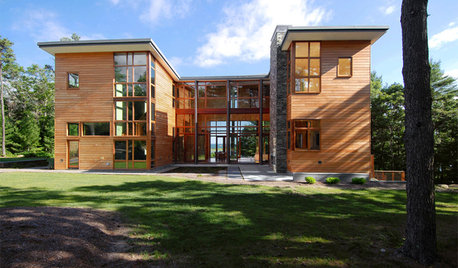
ARCHITECTUREDesign Workshop: Give Me an ‘H’
Look to modern versions of an H-shaped medieval floor plan for more privacy and natural light
Full Story
GARDENING GUIDESWhat's Wrong With My Plant? Leaves Often Hold the Clues
Learn how to identify common plant ailments by reading their leaves
Full Story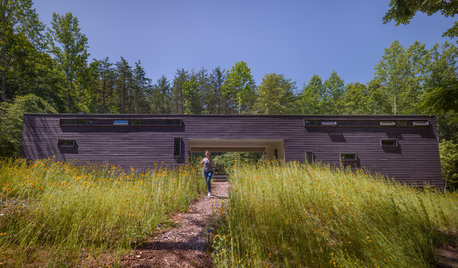
ARCHITECTUREDesign Workshop: The Modern Dogtrot
Some surprising facts and new twists on this utilitarian favorite
Full Story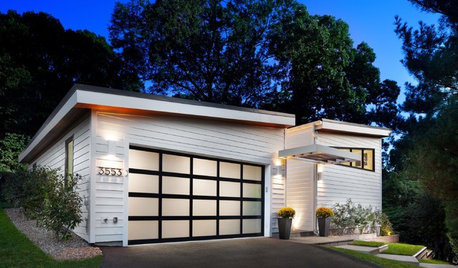
GARAGESKey Measurements for the Perfect Garage
Get the dimensions that will let you fit one or more cars in your garage, plus storage and other needs
Full Story
ARCHITECTUREDesign Workshop: Kinetic Architecture
Industrial techniques achieve the sublime in these 5 examples of mechanical walls that move
Full Story
GARDENING GUIDESGarden Myths to Debunk as You Dig This Fall and Rest Over Winter
Termites hate wood mulch, don’t amend soil for trees, avoid gravel in planters — and more nuggets of garden wisdom
Full Story
More Discussions
waltfromtroy
hank_mili
Related Professionals
Joplin Landscape Architects & Landscape Designers · South Bend Landscape Architects & Landscape Designers · Tucson Landscape Architects & Landscape Designers · Morgan City Landscape Contractors · Joplin Landscape Contractors · Huntington Landscape Contractors · Syracuse Landscape Contractors · Santa Maria Landscape Contractors · Coos Bay Landscape Contractors · Dover Home Additions · Atlanta Home Additions · Hannibal Home Additions · Cincinnati Home Additions · Jackson Home Additions · Knoxville Home Additionswaltfromtroy
hank_mili
shelbyguy
dontsleep
hank_mili