

Myth #11
18 years ago
Sort by:Oldest
Comments (3)
Related Stories

MOST POPULARThe Right Way to Test Paint Colors
Here are 5 key steps to take to ensure you're happy with your wall paint color
Full Story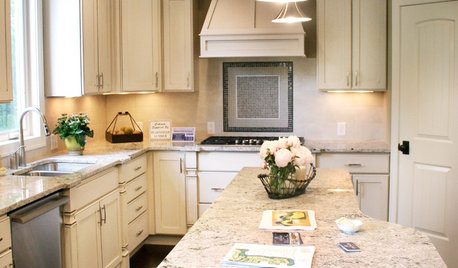
KITCHEN DESIGNKitchen Countertops 101: Choosing a Surface Material
Explore the pros and cons of 11 kitchen countertop materials. The options may surprise you
Full Story
HOMES AROUND THE WORLDThe Kitchen of Tomorrow Is Already Here
A new Houzz survey reveals global kitchen trends with staying power
Full Story
STUDIOS AND WORKSHOPSWorld of Design: Artists and Artisans and Their Inspiring Studios
Meet these creative people, see their work and learn how their homelands have influenced their style
Full Story
LIFEThe Absolute Right Way to Hang Toilet Paper. Maybe
Find out whether over or under is ahead in our poll and see some unusual roll hangers, shelves and nooks
Full Story
GARDENING GUIDESNew Ways to Think About All That Mulch in the Garden
Before you go making a mountain out of a mulch hill, learn the facts about what your plants and soil really want
Full Story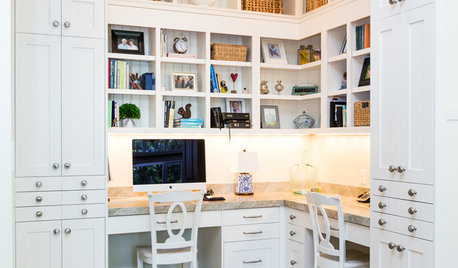
HOME OFFICESThe 20 Most Popular Home Office Photos of 2015
Technology paves the way for space-saving work areas, while designers make up for small sizes with style
Full Story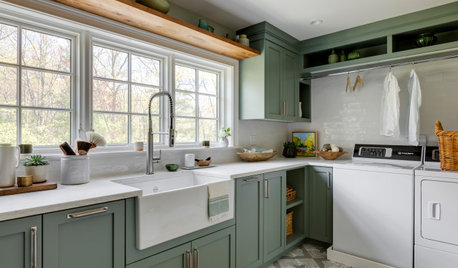
LAUNDRY ROOMSKey Measurements for a Dream Laundry Room
Get the layout dimensions that will help you wash and fold — and maybe do much more — comfortably and efficiently
Full Story
HOUZZ TOURSMy Houzz: Quirky Charm on Aussie Farmland
With skateboards adorning the kitchen, a trash-inspired backsplash and a retro trailer, this home shows passionate creativity
Full Story
HOUSEKEEPINGHow to Clean Your Fridge, Inside and Out
Keep your refrigerator clean and fresh, while you gain storage space and lose those ‘UFOs’
Full Story
Sponsored
bostonbound2
object16
Related Professionals
Dover Landscape Architects & Landscape Designers · Baltimore Landscape Architects & Landscape Designers · Durango Landscape Architects & Landscape Designers · Fort Collins Landscape Architects & Landscape Designers · Queens Landscape Architects & Landscape Designers · Forrest City Landscape Contractors · Rome Landscape Contractors · Elkton Landscape Contractors · Elmira Landscape Contractors · Kenosha Landscape Contractors · Yuma Landscape Contractors · Salinas Landscape Contractors · Vincennes Tile and Stone Contractors · Great Bend Tile and Stone Contractors · Niles Tile and Stone Contractorslermer