

Mulching Beans
20 years ago
Sort by:Oldest
Comments (5)
Related Stories
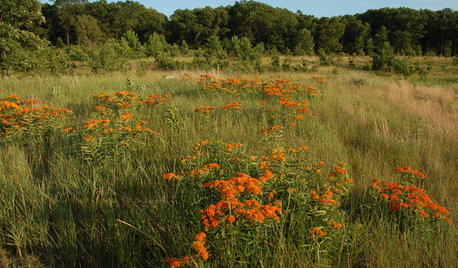
GARDENING GUIDESThe Art of Green Mulch
You can design a natural garden that doesn’t rely on covering your soil with wood and bark mulch
Full Story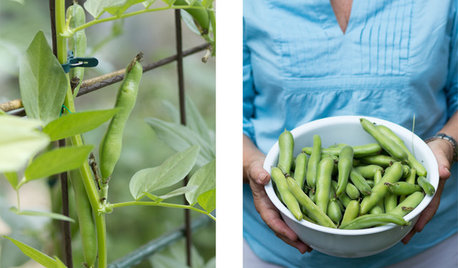
SUMMER FRUITS AND VEGETABLESSummer Crops: How to Grow Beans
Grow your own beans for amazing variety and healthy, convenient produce all summer
Full Story
GARDENING GUIDES10 Easy Edibles for First-Time Gardeners
Focus on these beginner-friendly vegetables, herbs, beans and salad greens to start a home farm with little fuss
Full Story
GARDENING GUIDESGoing on Vacation? How to Ensure Your Garden Survives
Water deeply, mulch beds and move containers into partial shade to keep plants alive while you’re away
Full Story
MATERIALSMesquite: The Brawny Beauty for All Over the Home
Denser than other hardwoods and sporting beautiful coloration, mesquite makes a fine material for flooring, countertops, furniture and more
Full Story
GARDENING 101What to Do in Your Edible Garden After the Summer Harvest
Set up your veggie garden to be productive and healthy year after year with this fall checklist
Full Story
GARDENING GUIDESCentral Plains Gardener's April Checklist
Let the show begin! Watch for the first perennials, hold back on trimming spring-blooming shrubs and grow your garden borders
Full Story
FALL GARDENING5 Ways to Put Fall Leaves to Work in Your Garden
Improve your soil and yard the organic way with a valuable garden booster that grows on trees
Full Story
MONTHLY HOME CHECKLISTSYour Fall Home Maintenance Checklist
Prep your house and yard for cold weather with this list of things to do in an hour or over a weekend
Full Story
GARDENING GUIDESWhy Your Garden Might Be Full of Weeds
Tired of battling unwanted plants? These surprising reasons for weediness point the way to cures
Full Story
More Discussions
rodger
paquebot
Related Professionals
Selma Landscape Architects & Landscape Designers · Panama City Landscape Architects & Landscape Designers · Binghamton Landscape Architects & Landscape Designers · Jamestown Landscape Architects & Landscape Designers · Portland Landscape Architects & Landscape Designers · Pittsburg Landscape Contractors · Spring Landscape Contractors · Burlington Landscape Contractors · Gary Landscape Contractors · Cleveland Landscape Contractors · Mesquite Landscape Contractors · Honolulu Landscape Contractors · Terre Haute Home Additions · Muskogee Home Additions · Salt Lake City Home Additionszeedman Zone 5 Wisconsin
adenn1
zeedman Zone 5 Wisconsin