

ID iris with very thin roots?
20 years ago
Sort by:Oldest
Comments (5)
Related Stories

ARCHITECTURERoots of Style: Do You Live in a Minimalist Traditional House?
Cottages, bungalows, farmhouses ... whatever you call them, houses in this style share several characteristics. See how many your house has
Full Story
ARCHITECTURERoots of Style: Ranch Architecture Roams Across the U.S.
Great remodeling potential and generously spaced sites make ranch homes ever popular. Is one of the many variations right for you?
Full Story
ROOTS OF STYLERoots of Style: The Birth of Modern Architecture
Learn how Prairie, Craftsman, art deco and other styles of the early 20th century came to influence architecture today
Full Story
GARDENING GUIDESGreat Design Plant: Crinum Americanum
Bright white flowers with thin delicate petals grace this water-loving southern lily
Full Story
ROOTS OF STYLEClues to Your Home's Architectural History
Use this quick guide to design themes to identify the era and style of your house's details
Full Story
ARCHITECTURE‘Wolf Hall’ Style: The Secrets of Tudor Architecture
As American audiences watch a new TV series about the politics of Henry VIII, we explore the elements of his era’s distinctive style
Full Story
VACATION HOMESHouzz Tour: Moss-Covered Lakeside Cottage Now a Modern Marvel
A 1949 Michigan weekend cottage with a sunken roof gets a makeover that stays true to the house's humble roots
Full Story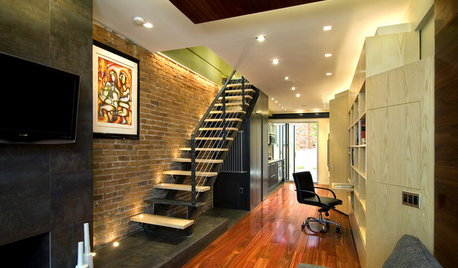
HOUZZ TOURSDesign Lessons From a 10-Foot-Wide Row House
How to make a very narrow home open, bright and comfortable? Go vertical, focus on storage, work your materials and embrace modern design
Full Story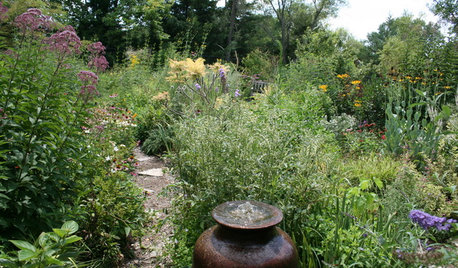
GARDENING GUIDESHow I Learned to Be an Imperfect Gardener
Letting go can lead to a deeper level of gardening and a richer relationship with the landscape. Here's how one nature lover did it
Full Story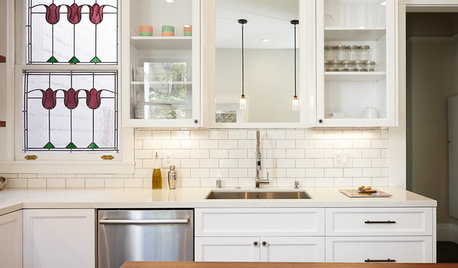
KITCHEN DESIGNKitchen of the Week: A Dark Kitchen Brightens Up
A cooking space honors the past while embracing the present
Full Story
Sponsored
wmoores
laurief_gw
Related Professionals
Selma Landscape Architects & Landscape Designers · Baltimore Landscape Architects & Landscape Designers · Rochester Landscape Architects & Landscape Designers · Yakima Landscape Architects & Landscape Designers · Cheyenne Landscape Architects & Landscape Designers · Wichita Landscape Contractors · Lawrence Landscape Contractors · Monroe Landscape Contractors · McComb Design-Build Firms · Lawrenceburg Design-Build Firms · Olean Design-Build Firms · Riverside Design-Build Firms · Santa Barbara Design-Build Firms · Helena Design-Build Firms · Cheyenne Design-Build Firmsanna_bethOriginal Author
njiris
anna_bethOriginal Author