

juno iris - anyone tried?
19 years ago
Sort by:Oldest
Comments (5)
Related Stories
DECORATING GUIDES5 Decor Trends to Try — and 5 to Rethink
Some style trends are worth jumping onboard. Others you may want to let fade from your memory
Full Story
FLOWERS9 Plants That Channel Pantone’s Color of 2014
Try these pinkish-purple wonders to be right on trend — or just for their own captivating beauty
Full Story
DIY PROJECTSMake an Upholstered Headboard You Can Change on a Whim
Classic stripes today, hot pink tomorrow. You can swap the fabric on this DIY headboard to match your room or your mood
Full Story
LANDSCAPE DESIGNThe Weepers and the Creepers: 10 Intriguing Trees for Your Garden
Bring something a little different to your landscape with a tree that dives, twists or crawls
Full Story
GARDENING AND LANDSCAPINGGarden Design Essentials: Color
Highly personal and evocative, color influences the mood of gardens in a powerful way. Here's how to make it work for you
Full Story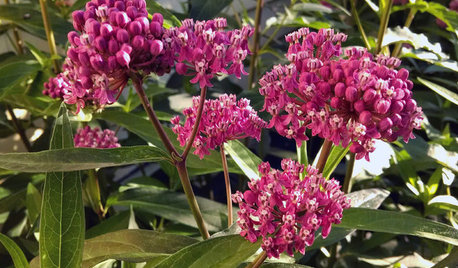
GARDENING GUIDESOh, Deer! 10 Native Flowers That Stand Up to the Herds
Keeping a garden amid hungry deer can be hard, but these plants should fare well
Full Story
LIVING ROOMSNew This Week: 5 Living Rooms Designed Around the Fireplace
Overcome one of design’s top obstacles with tips and tricks from these living rooms uploaded recently to Houzz
Full Story
BEDROOMSNew This Week: 3 Dramatic Features to Wake Up Your Bedroom
These striking sleep spaces cast a new light on wood, tile and built-ins
Full Story
TILEPep Up With Patchwork Tiles
Don't call them crazy — quilt-style tile patterns are bringing energy and playfulness to walls, countertops and even floors
Full Story
GARDENING GUIDESHouzz Call: What’s Your Favorite Backyard Beauty?
The simple, honest daisy is this writer’s go-to garden flower. We want to hear which plant, flowering or otherwise, gives you special joy
Full Story
birdinthepalm
thisbettyOriginal Author
Related Professionals
Austin Landscape Architects & Landscape Designers · Roanoke Landscape Architects & Landscape Designers · Pittsfield Landscape Architects & Landscape Designers · Augusta Landscape Architects & Landscape Designers · Providence Landscape Architects & Landscape Designers · Janesville Landscape Architects & Landscape Designers · Platteville Landscape Architects & Landscape Designers · Logan Landscape Architects & Landscape Designers · Tacoma Landscape Architects & Landscape Designers · St. Louis Landscape Contractors · Huntington Landscape Contractors · Beaumont Design-Build Firms · San Antonio Design-Build Firms · Burlington Design-Build Firms · Magog Design-Build FirmsSparaxis
gardengal48 (PNW Z8/9)
lostmermaid