

Runner or Pole
19 years ago
Sort by:Oldest
Comments (2)
Related Stories
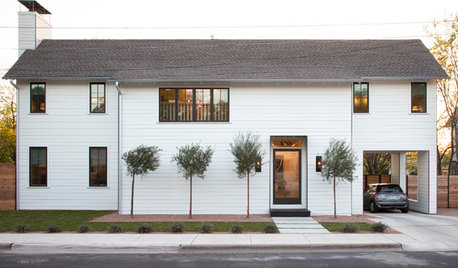
HOUZZ TOURSHouzz Tour: A Modern Take on a Traditional Texas Farmhouse
Contemporary details update the classic form in this Austin home with a kitchen designed for a professional baker
Full Story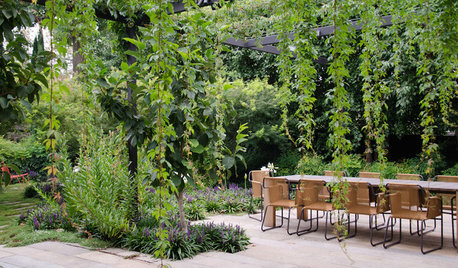
LANDSCAPE DESIGNSee 5 Unexpected Ways to Use Vines
Vines can grow over slopes, trail off pergolas and add seasonal color to the garden
Full Story
SUMMER FRUITS AND VEGETABLESSummer Crops: How to Grow Beans
Grow your own beans for amazing variety and healthy, convenient produce all summer
Full Story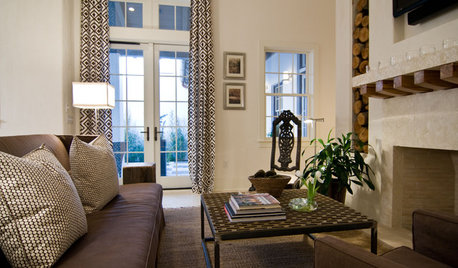
WINDOW TREATMENTSThe Case for Stationary Draperies
Curtains that open and close are great in some situations, but stationary draperies can give you a better view (and save money too)
Full Story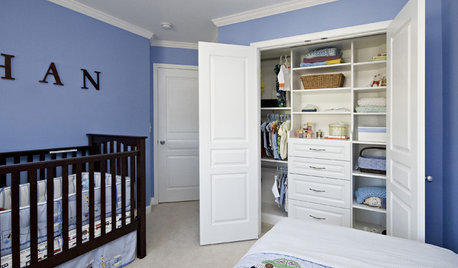
MOST POPULARHow to Get the Closet of Your Dreams
Do you cringe every time you open your closet door? It may be time for a makeover
Full Story
HOLIDAYSVintage Sleds Bring a Dash of Winter Nostalgia
Antique sleds add a rustic touch to holiday decor — and can evoke fond memories too
Full Story
ORGANIZING10 Principles of Organizing That Work in Every Room
Use these ideas to make it easier to find and put away your things
Full Story
LANDSCAPE DESIGNYour Mini Guide to Great Garden Edges
Get the scoop on trenches to the skinny on bender board, to help keep your garden beds as tidy as you like
Full Story
HOLIDAYSHouzz Call: Show Us Your Thanksgiving Table Decor!
Mercury glass, pheasant feathers and colorful glassware are just a few of the fall table setting ideas we're spotting
Full Story
GREEN DECORATINGBamboo Products — Earth Friend or Foe?
The ecofriendliness of this grass for flooring, wall coverings and furniture isn't cut and dried. Get the facts here
Full Story
More Discussions
farmerdilla
zeedman Zone 5 Wisconsin
Related Professionals
Philadelphia Landscape Architects & Landscape Designers · Florence Landscape Architects & Landscape Designers · South Bend Landscape Architects & Landscape Designers · Concord Landscape Architects & Landscape Designers · Toronto Landscape Architects & Landscape Designers · Tuscaloosa Landscape Contractors · Jonesboro Landscape Contractors · Knoxville Landscape Contractors · Aurora Landscape Contractors · Coeur d'Alene Landscape Contractors · Longview Landscape Contractors · Palm Bay Home Additions · Evansville Home Additions · Amherst Home Additions · Spokane Home Additions