

Is this Sango Kaku?
19 years ago
Sort by:Oldest
Comments (8)
Related Stories
NORTHEAST GARDENINGNortheast Gardener's December Checklist
Wildlife and evergreens provide plenty of winter interest, but barer views offer their own benefits for gardens
Full Story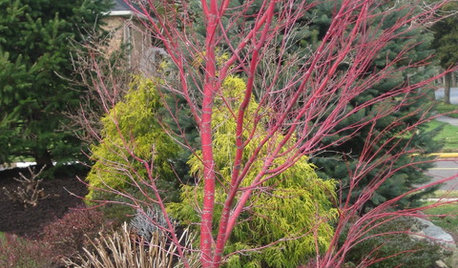
TREESGreat Design Plant: Coral Bark Japanese Maple, a Winter Standout
Go for garden gusto during the chilly season with the fiery red stems of this unusual Japanese maple
Full Story
WINTER GARDENINGBranches Bring the Winter Spirit to Container Gardens
Add dimension and drama to winter pots with branches from austere to downright colorful
Full Story
WINTER GARDENING8 Gorgeous Trees for Winter Interest in the Garden
Intriguing forms and beautiful branches take center stage when color heads back into the wings of the winter landscape
Full Story
GARDENING GUIDES13 Japanese Maples for Shade
A surprising variety of these understory trees is waiting to make a statement in your shade garden
Full Story
GARDENING GUIDES12 Japanese Maples for a Sunny Garden
The right maple in the right place shines in hot summer sun
Full Story
LANDSCAPE DESIGN7 Great Trees for Summer Shade and Fall Color
These landscape-pro faves straddle the seasons beautifully. Could one enhance your own yard?
Full Story
TREES11 Japanese Maples for Breathtaking Color and Form
With such a wide range to choose from, there’s a beautiful Japanese maple to suit almost any setting
Full Story
HOUZZ TOURSMy Houzz: A Musical Couple's Home Strikes a Personal Chord
Light, glass and many musical instruments animate this 1905 bucolic Washington farmhouse
Full Story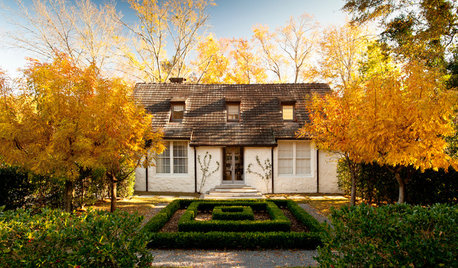
GARDENING GUIDES6 Plants for Colorful Fall Foliage in the Water-Wise Western Garden
Try these colorful, drought-tolerant additions to your garden for a fall season filled with color
Full Story
Sponsored
jumbojimmyOriginal Author
Embothrium
Related Professionals
Richmond Landscape Architects & Landscape Designers · Vicksburg Landscape Architects & Landscape Designers · Rocky Mount Landscape Architects & Landscape Designers · Georgetown Landscape Architects & Landscape Designers · Flint Landscape Architects & Landscape Designers · Ithaca Landscape Architects & Landscape Designers · Akron Landscape Architects & Landscape Designers · Cherry Hill Landscape Contractors · Nashville Landscape Contractors · Huntington Landscape Contractors · Bakersfield Landscape Contractors · Merced Landscape Contractors · Hilo Landscape Contractors · Alexandria Architects & Building Designers · Binghamton Architects & Building DesignersjumbojimmyOriginal Author
myersphcf
mattlwfowler
gardengal48 (PNW Z8/9)
jumbojimmyOriginal Author
gardengal48 (PNW Z8/9)