

virus?
16 years ago
Sort by:Oldest
Comments (13)
Related Stories

GARDENING AND LANDSCAPING4 Good Ways to Get Rid of Mosquitos in Your Yard
Stay safe from West Nile virus and put an end to irksome itches with these tools and methods for a porch, patio or yard
Full Story
GARDENING AND LANDSCAPINGGenerate Buzz as a Beekeeper
Fresh honey and happy flowers are just two of the perks of a backyard beehive. These 5 guidelines will help you get started
Full Story
LIFEHow to Outsmart Backyard Critters
Learn to think like a raccoon, skunk or squirrel to keep your home safe and your garden intact
Full Story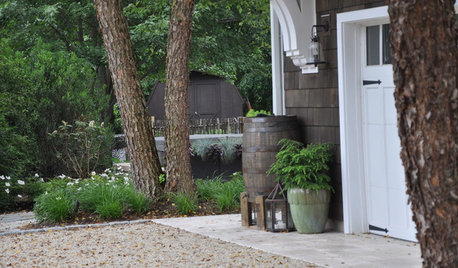
SAVING WATER6 Reasons Why You Should Save Your Rainwater Now
Collect and store during the rainy season so you’ll have water ready for irrigation when you need it
Full Story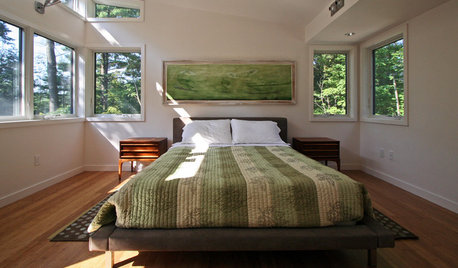
BEDROOMS7 Ways to Make Your Bedroom Your Sanctuary
Get a dreamy and relaxing bedroom with these decorating moves
Full Story
ACCESSORIES40 Design-Friendly Gifts for Modern Kids
Houzz Gift Guide 2010: Gifts to Inspire Feel-Good Fun, Creativity, and Even Clutter Control
Full Story
LIFE8 Sick-Day Activities to Get Healthy at Home
Staying home is the fastest way to heal — and to enjoy all the comforts and design details you've spent so much time choosing
Full Story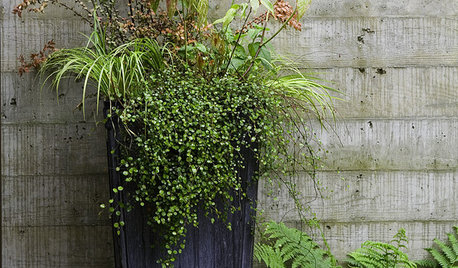
GARDENING GUIDESThe Secret Formula for Grouping Plants in a Pot
Designing a gorgeous container garden is easy once you know this simple rule of thumb for composition
Full Story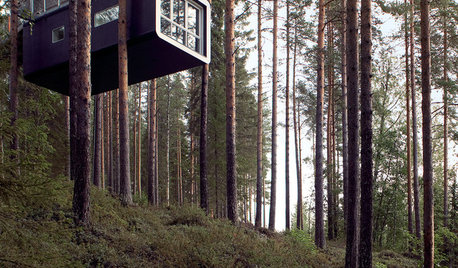
TREE HOUSESAmazing Tree Houses From All Over the World
Not your average backyard DIYs, many high-design homes in the trees alight in a photo-filled new book
Full Story
DECORATING GUIDESNo Guilt! 7 Deadly Sins in Décor
Make a room more interesting with a hint of gluttony, pride, sloth and the rest — no redemption required
Full Story
thisismelissa
anitamo
Related Professionals
Port Saint Lucie Landscape Architects & Landscape Designers · Frisco Landscape Architects & Landscape Designers · Hackettstown Landscape Architects & Landscape Designers · Cornwall Landscape Architects & Landscape Designers · Emporia Landscape Contractors · California Landscape Contractors · Chicago Landscape Contractors · Springfield Landscape Contractors · Grand Rapids Landscape Contractors · Jamestown Landscape Contractors · Abilene Home Additions · Frisco Home Additions · Stockton Home Additions · Redding Home Additions · La Grande Home Additionsken_adrian Adrian MI cold Z5
halds
halds
hostared
coralb
just1morehosta
quicksilverOriginal Author
ken_adrian Adrian MI cold Z5
quicksilverOriginal Author
chris-e
quicksilverOriginal Author