

Plants that ****DO**** like hot humid summers ????????
22 years ago
Featured Answer
Sort by:Oldest
Comments (12)
 22 years ago
Related Professionals
Rome Landscape Architects & Landscape Designers · Topeka Landscape Architects & Landscape Designers · Auburn Landscape Architects & Landscape Designers · New Haven Landscape Architects & Landscape Designers · Newburyport Landscape Architects & Landscape Designers · Concord Landscape Architects & Landscape Designers · Fort Collins Landscape Architects & Landscape Designers · Valdosta Landscape Contractors · Greensboro Landscape Contractors · Muncie Landscape Contractors · Kalamazoo Landscape Contractors · Plattsburgh Landscape Contractors · Canton Landscape Contractors · Monroe Landscape Contractors · York Basement Remodeling- 22 years ago
- 22 years ago
- 22 years ago
- 22 years ago
- 22 years ago
- 22 years ago
- 22 years ago
- 22 years ago
- 22 years ago
- 21 years ago
Related Stories
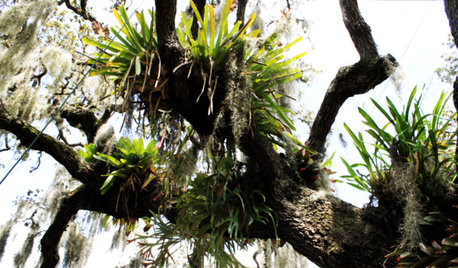
GARDENING GUIDESGot a Hot, Humid Landscape? Add Tropical Flair With Air Plants
Turn tree trunks and walls into lush canvases with plants adapted to the canopies of the rainforest
Full Story
REGIONAL GARDEN GUIDESDelight in Summer’s Garden Glories — Here’s What to Do in June
Wherever you live in the United States, these guides can help you make the most of your summer garden
Full Story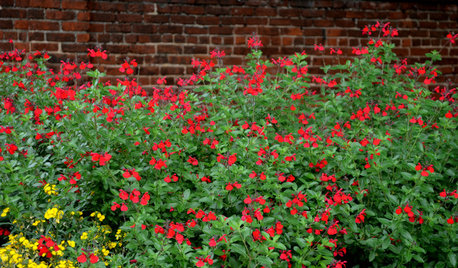
GARDENING GUIDESGreat Design Plant: Autumn Sage Brings Color and Butterflies
Whether you live in the arid desert or the humid South, you'll likely find this deer-resistant beauty as irresistible as winged creatures do
Full Story
LIFEHouzz Call: How Do You Hold On to Summer at Home?
Summer is winding down, but it’s not over yet! If you're still enjoying some lazy days, we want to see how you’re making the most of them
Full Story
LIFECool Architecture for Hot Summers
Sun-repelling roofs, shades, windows and the natural flow of air can help your home weather heat waves
Full Story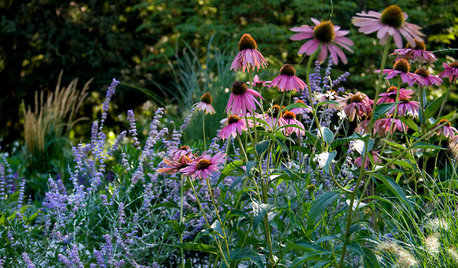
MOST POPULAREnjoy Your Summer Garden — Here’s What to Do in July
Our July gardening guides take the guesswork out of summer watering, pruning and planting. See our tips for your U.S. region
Full Story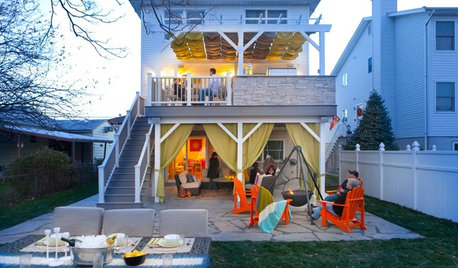
LIFEHouzz Call: What Does Summer Look Like at Your Home?
Kids, water, sunshine, backyards, cold drinks — share photos of what summer at home means to you
Full Story
GARDENING GUIDESGreat Design Plant: Callirhoe Involucrata Wakes Up Hot Garden Spots
Give a dry and sunny garden a jolt of violet-pink color summer to fall — and watch bees and butterflies flock to the nectar
Full Story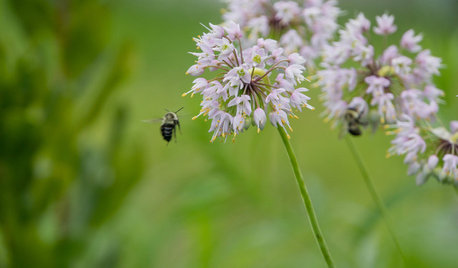
GARDENING GUIDES9 Clay-Busting Native Flowers for Summer Sun
These plants survive and even thrive in tough clay soil east of the Rocky Mountains
Full Story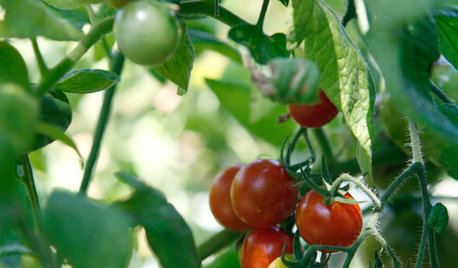
EDIBLE GARDENSSummer Crops: How to Grow Tomatoes
Plant tomato seedlings in spring for one of the best tastes of summer, fresh from your backyard
Full Story
Sponsored
tabassam