Software
Houzz Logo Print
hzdeleted_63513

Wintering over container hosta gardens

14 years ago

The question is primarily for those on the forum who grow hosta primarily in containers.

If you have more than one container-grown hosta, going beyond the porch/patio ornamentation, let's hear how you deal with them for the winter.

I read the article in the recent AHS Journal about Goodwins Garden in Britain, which is primarily container grown, the count being 350 containers I believe, and his garden is so lovely it's now one of the official display gardens in Britain.

The secret to much of his success I'm suspecting lies in the way he winters over his container plants. That part is not shown in the article, and I'm itching to find out how he deals with it. From shots of his property, it is not a large place. Where do the pots with dormant plants go?

And likewise, where do YOURS go? Do you mulch them? Raise them up off the ground? Turn them sideways? Do you keep the metal tags in the pots? How do you keep them cool and dry? Is the storage or sleeping area attractive? Are you still using that space for another purpose? And how long a time is your collection dormant?

Any other questions that are begging to have details included, please fill in those blanks.

At this point in the process, I'm thinking a row of two shelves secured to the wooden 7 foot tall privacy fence on the south end of my garden. Setting the smaller pots on the top row (won't be as likely to kill me if it falls). And the larger containers....but not the tubs....on the lower shelf running the width of the south fence line.

With the lower sun of the winter season, it is likely to stay cooler there along the south wood privacy fence. A plastic flap stapled at the upper level could keep most of the rain out of the containers, provided it does not hold in heat and allows air to circulate. Mr. Goodwin put small sharp gravels on the tops of the pots to keep down weeds and crawling pests. But no pictures to illustrate his setup.

With the containers sitting on two rows of shelves, along the south property line, I could have 120 x 2 linear feet of shelf space, inside my secure back garden. 240 running feet of mostly shaded space. Only disturbed by squirrels leaping from trees to eat at the bird feeders and bury nuts in the flower pots.

So that is the extent of my winter-over plans here in south Alabama, zone 9a or maybe 8b, this winter might reveal which.

Any advice or discussion of issues I am overlooking will be welcome. After all, I was obsessed with growing pretty hosta and not with planning ahead. I never worked for IBM.

What is YOUR plan? How do YOU do it? Put out the ideas, we'll brain storm the shortcomings and limitations later.

Comments (14)

  • 14 years ago
    last modified: 11 years ago

    Just wading in to suggest that the 'typical' wooden privacy fence wouldn't be beefy enough structurally for that kind of load, esp. given that it wouldn't be balanced with equal am't of weight on the other side. I've no idea how your particular fence is constructed though.

    Something maybe to consider?

    Something not to do as the neighbor learned the hard way last winter. She covered her potted minis with straw and then a tarp over it all. Mice invaded and ate most of her plants.

  • 14 years ago
    last modified: 11 years ago

    Point well made, Ci.
    I'll find a picture of the fence.
    It is stick built, not in prefab sections. I'm sure my DH will have the final word on building it, the shelves I mean. He is the bomb shelter type of engineer, secure for the next 100 years or MORE. So he will have to be deferred to with the construction.

  • 14 years ago
    last modified: 11 years ago

    My hosta will be over wintering in an unheated garage. I've done it that way for several years and don't have to worry about too much rain, freeze/thaw, tipping pots, etc. Now the difference this year is that I have a larger number of pots...so, similar to your "shelving" my DH & I have been discussing going vertical with the construction shelves 2'x4'x? high, larger pots nearer the bottom for stability...
    If the plan ever comes together, I'll post pics. If it doesn't, the pots will be sitting on bricks on the floor taking up a lot of real-estate :-P

    Deb

  • 14 years ago
    last modified: 11 years ago

    Moccasin,

    I don't do anything. None of mine set directly on the ground, though. They are all on the deck or on concrete and usually on pot feet, so they drain well.

    I definitely would not put them inside. That will keep them from what little cold you have. Since you don't freeze there either, tipping them probably isn't a good idea.

    I don't try to maintain an attractive yard in the winter, so "empty" pots don't bother me. I stick a few pots of annuals out there and that's it. For me, it's only about 4 months at the most. They ususally don't go dormant until at least mid November. They start coming up in March.

    Bkay

  • 14 years ago
    last modified: 11 years ago

    hey moc.. what is winter in your z9???

    thirty minute below 40 degrees????

    heck.. they start coming out of dormancy for you in feb dont they????

    for you.. cold soggy media will rot roots ...

    figure out how to avoid that ... especially for hosta with big blue genes ...

    ken

  • 14 years ago
    last modified: 11 years ago

    Barbara, like you, I have most of my hostas in pots and my biggest enemy here in the Pacific Northwest is rain. And we get lots of that between November and March/April. I usually scramble to find enough sheltered space to keep them from getting totally water logged. I just finished building a second collapsible greenhouse I use for a dual purpose: they keep pots from getting too wet and when I close them up late winter they help my plants break dormancy early, so I have presentable product on hand for when I have my driveway plant sales starting 1st or 2nd weekend in April.

    Pieter

  • 14 years ago
    last modified: 11 years ago

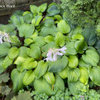
    This photo was taken over 5 years ago, and the atrium has been re-built but basically the same. I use 1 gal, 2 gal, and 3 gal, black plastic pots and some terracotta ones. In my weather conditions, they need cool air flowing, and need to be kept dry, and hardware cloth to keep out the squirrels. Each pot sits on two little sticks for drainage. The top of the atrium gets a plastic tarp during our winter rains. I hang a shade cloth in the open door way so that the daytime sun doesn't heat the pots. I don't go out there or have to look at them from anywhere in the house. I begin watering them when when I see little noses poke up about 1" in March.

    When I first began collecting, I just let the rains come down thru the shade cloth that covers the atrium. That worked for about 3 years, then, for whatever reason, (probably a wetter than usual winter) we normally only get about 10" total and it comes in 1/2" or less amounts per week, HALF of them rotted. Since I've been keeping them dry while dormant, I have lost very few due to rot.

    That is what works well for me, where I live. You have different weather where you are, so you may have to experiment and see what works best for you.

    -Babka

    {{gwi:1091898}}

  • 14 years ago
    last modified: 11 years ago

    For the past two years I have lined them up against the fence covered with leaf mulch and did not give them another worry. My figuring is that if they were in the ground and it rained they would get wet. I use a fast draining mix and drill my own holes in my pots or use side draining ones. I keep it simple and so far they have returned and given me hours of outdoor joy. This is going to be a cold winter for me so I will probably have 45 minutes past 35 degrees. I already cannot wait for spring! Have a great grow day, Paula

    You will love Luna Moth. Very cool and refreshing colors. Like smelling Rosemary! lol

  • 14 years ago
    last modified: 11 years ago

    You know, if I could get the pictures from Mr. Goodwin of his British container garden with the pots stored along the fence, I might be quite happy with following his setup.

    I say the south fence, because the sun is very low during the winter months, and that fence of wood 7 foot tall stays shaded. Prevailing winds which can drive the rain, will also be blowing mostly from the south east. I have to use the changing shade patterns in moving hosta around the garden, it is amazing how much it can change in a short period of time. Look where the sun is rising now, and it is a little bit more south of east at sunrise every day. And more south of west at sunset.

    Yes, Pieterje, rain is a boogerbear here as well.

    Two years ago we had a real winter spell, and it was below freezing for two whole weeks. Unheard of, never before! Then, last year it was back to normal, with temps dipping down to 28 overnight a couple of times, but not continuous. I need not have moved my tropical beauties into my Teahouse--where I had to water them, instead of letting nature do the work. I am now wondering what kind of season we'll have this year, and might need to consult the ole Farmer's Almanac.

    I have a thought in mind, which will utilize the "metaposts" which you drive in the ground, and then can insert 4x4s to which shelfs might be attached. WIRE shelves, which let the pots drain with no lifters or feet beneath, no wood to rot. I already have a good bit of wire shelving wasting away. Maybe with the extra 4x4 supporting front of the shelving, the fence itself won't be strained.

    What I like about those Metaposts (Aubuchon sold them online, then I found some at Home Depot) is you can remove the 4x4 and just leave the metal part in the ground, if you don't want that "look" along your fence. But my area in question is at the very back and far end of the garden. I also want to avoid infestation of the pots by fire ants, who like nice dry places on the ground. Lifting them up is a good way to avoid those terrible ants.

    BKay, with my pot count as high as it is, no way can I keep them on our 10 x 12 deck, and besides, we will be remodeling this winter. That means I cannot put anything in the Teahouse either, because I'm keeping it temp controlled since construction material is filling it up already.

    Right now, I'll be happy when the squirrels quit bombing me with the Mississippi Giant pecans and also tearing up hosta leaves.

    Ken, you are such a charmer, 30 minutes below 40....guffaw guffaw guffaw.....I'll tell DH what you said, he will probably borrow that for his own tales of southern winters.
    Yes indeed, cold soggy media and rot, go together.

    Last winter I had only a few hosta to deal with, and all went dormant up in Massachusetts before moving south. Where, as you said, Ken, they woke up pipping in late February and early March. Without checking, I think the Satisfaction NOID was blooming as early as mid March?

  • 14 years ago
    last modified: 11 years ago

    A while back I had asked about overwintering potted hostas in exactly the opposite winter conditions of that which mocassin has. Here freezeup will come in mid November and the snow generally stays in the shaded areas till well into April. Winter temps routinely reach -30F and colder with weeks on end in mid winter where 0F is mild.

    I received some good advice but eventually I bailed out. I planted the hostas removing them from their pots. My experience with potted (hardy) plants over the years has been poor ... the cold gets around the pots from underneath and the sides and likely I need plants able to stand up to Zone 1 or 2 cold instead of Zone 4 - In fact I have never has a Zone 4 hardy plant survive a winter in a pot left out of the ground.

  • 14 years ago
    last modified: 11 years ago

    Dougald, a "routinely below -30*" climate is really extreme!
    Bless you for adapting to the conditions.

    Yes, I know that even in the Boston area, that temp extreme happens, but not routinely. When we returned north after a winter which included some extreme temps around -20*, the test pot of chives, left sitting outdoors, was falling apart....but the chives were doing okay.

    I do not think they can construct a container that can give plants the protection they need in a climate such as yours. So in the ground, or in a controlled space if not in the ground, is about the extent of options, right?

    The mental image I have is of you wearing a fur-lined parka at the Arctic circle, going outside in howling winds and whirling snow, to check on the little ice cube potted-up hosta. How do YOU keep warm when it gets that cold? There wouldn't be enough wood in the whole of Canada to last one winter if I had to endure such cold. :)

  • 14 years ago
    last modified: 11 years ago

    I overwinter many pots in cold conditions. I put them on the ground, wait till frost, then turn them over. Pots should be moist from the autumn rains. Here, they will likely be covered in winter's snow. I leave them there till early spring, when I begin turning them right side up and put them back in their trays, etc. I leave them in rows on the ground so that I can cover them easily in the event of spring frosts. When temperatures are stable, I put them in their display area.
    I don't think our winters are as cold as yours, Dougald.
    But I would guess that with lots of snow cover, your pots should be safe. Critical time here is spring, with the mixed weather, which is why I turned them in the first place. I know the hosta can survive the winter; but spring's freeze-thaws can kill them. I rarely lose any. I bait for mice and voles.

  • 14 years ago
    last modified: 11 years ago

    The measure of extreme cold for winter is misleading in a sense ... as the coldest I have ever seen here was about -36F but every winter has at least one or two nights at -30F. Many places have the same conditions. But the Ottawa Valley seems to get a more sustained cold than elsewhere in ON that I have lived. I describe the conditions here as relentless. January and February have weeks that have bright sun (with no heat in it) and lows of -20F or so at night and daytime highs around 0F. The frost line is 42 inches despite the reliable snow cover insulation.

    In the shaded areas where my hostas grow, the snow lingers until well into April and in the winter of 2008-09 it was Aril 26 that the last of it finally melted. The USDA zone does not take into account frost free days for example (here from about May 20 through Sept 10)

    Having said all that, hostas and other plants in the ground seem to do just fine. I haven't tried hostas in pots as I was too afraid but I have been anything but successful in overwintering pots containing plants hardy to zone 4 (the official USDA zone here though close to zone 3). Plants in containers seem to need some extra hardiness ...

  • 14 years ago
    last modified: 11 years ago

    Babka, I like that hardware cloth trick. I think I'll use that this winter. The squirrels are forever digging in the hosta pots.

    Thanks,

    bkay