

round up ready tomato plants
17 years ago
Sort by:Oldest
Comments (5)
Related Stories
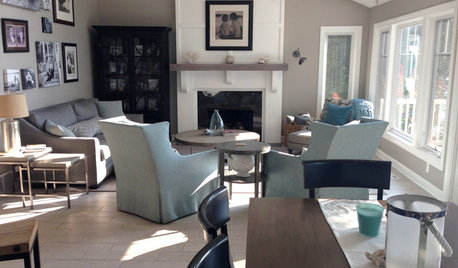
BEFORE AND AFTERSLiving Area Lightened Up and Ready for Anything
Porcelain tile and outdoor fabrics prepare this lakeside home for the challenge of pets and kids
Full Story
DECORATING GUIDESI'm Ready for My Close-Up: Beautiful Building Materials
Look closely, and soak up the beauty in some favorite details of fine home design
Full Story
EDIBLE GARDENSSummer Crops: How to Grow Tomatoes
Plant tomato seedlings in spring for one of the best tastes of summer, fresh from your backyard
Full Story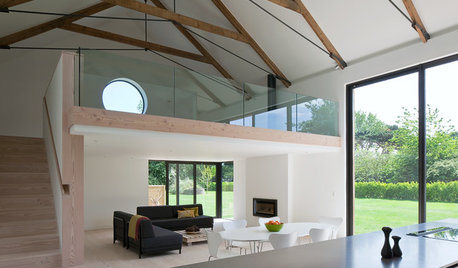
ARCHITECTUREHouzz Tour: Fresh Ideas in a Former Tomato Packing Shed
A formerly metal-clad structure is now a beautiful wood home designed to capture the light and preserve open space
Full Story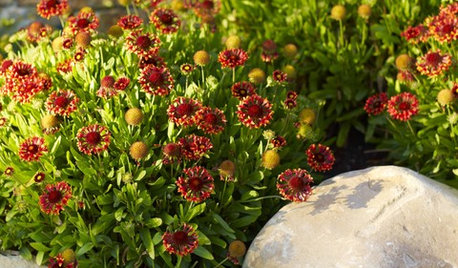
GARDENING FOR BUTTERFLIESGreat Design Plant: Blanket Flower Brings Year-Round Cheer
It's irresistible to wildlife, but this wildflower's drought tolerance, copious blooms and versatility draw human fans too
Full Story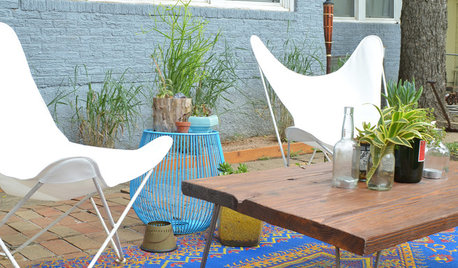
GARDENING AND LANDSCAPINGHow to Spruce Up Your Patio for Summertime Fun
Get your outdoor space ready for summer with 6 simple and budget-friendly ideas
Full Story
DECORATING STYLESIs Your Home Ready for a 1970s Revival?
Seventies chic is a trend that’s been brewing for some time, but this year it could hit big — with a few modern tweaks
Full Story
GREEN BUILDINGOff the Grid: Ready to Pull the Plug on City Power?
What to consider if you want to stop relying on public utilities — or just have a more energy-efficient home
Full Story
GARDENING AND LANDSCAPINGYour Yard: Are You Ready to Lose the Lawn?
Save time and water with good-looking alternatives to turf grass
Full Story
PRODUCT PICKSGuest Picks: Ready for Spring!
Get ready to celebrate the upcoming season with a palette of fresh green, pink and yellow
Full Story0

Macmex
Okiedawn OK Zone 7
Related Professionals
Sarasota Landscape Architects & Landscape Designers · Columbus Landscape Architects & Landscape Designers · San Bernardino Landscape Architects & Landscape Designers · Honolulu Landscape Architects & Landscape Designers · Sanford Landscape Architects & Landscape Designers · Gulfport Landscape Contractors · Beckley Landscape Contractors · Escanaba Landscape Contractors · Duluth Landscape Contractors · Denver Landscape Contractors · Wilmington Accessory Dwelling Units · Philadelphia Accessory Dwelling Units · Roanoke Accessory Dwelling Units · Logan Accessory Dwelling Units · Tacoma Accessory Dwelling Unitstulsabrian
Okiedawn OK Zone 7
ilene_in_neok