Software
Houzz Logo Print
ramcoach

New garden

18 years ago

I purchased a new house a year ago and am planning on do some landscaping this spring. The house came with a cheap landscape package which included boxwoods as the the primary plant. I have a lot ideas of what I want to do but I am not sure what I want to use as my main plant (or the plant that is the tallest and in the back of the garden next to the house) I do not really want to keep the boxwoods because everyone has boxwoods. My yard faces the east. What are some other shrubs I could use instead of boxwoods? Thanks for your help.

Comments (6)

  • 18 years ago
    last modified: 11 years ago

    Give us more information. What zone are you in? What kind of soil do you have? pH? Any shade trees? Do you want evergreens or blooming shrubs? EVen if sunny, azaleas and hydrangeas will grow next to a house on the east, so they get afternoon shade. I'm partial to blooming shrubs, like forsythia, quince, spirea, buddlea, kerria, but they are bare in the winter. I have some boxwoods, hollies and a gardenia for winter greenness. If you are close to Stillwater you might visit the Oklahoma Gardening Display Garden for ideas. Dorothy

  • 18 years ago
    last modified: 11 years ago

    thanks for the reply, I definately want something that is evergreen, and I do not care if they bloom. I live in the tulsa area, and I have a shade tree, oct. glory maple, but it is not too big yet. I planted a firebloom jap maple in the garden I plan on having dwarf youpon hollies, dwarf nandinas, in the garden but I have not decided what else. Where is the Ok Garden display located? Is it on campus?

  • 18 years ago
    last modified: 11 years ago

    Ramcoach, if you can't get to Stillwater, call the Tulsa Co office of the OSU extension center. I've found the small ofc in Washington county to be a huge help when I've called.

  • 18 years ago
    last modified: 11 years ago

    Ramcoach, Please be aware that the Tulsa area is in a border zone so it is USDA 6b/7a, and it has a Summer heat Zone of 8.

    The east foundation side of the house has a morning sun and afternoon shade exposure which provides for the most variety of planting selections.

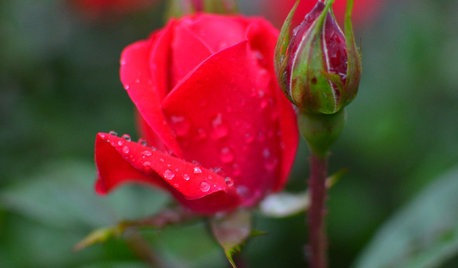
    Roses, dwarf, climbing, shrub, and Tea love the east side exposure where they will get sun to dry their leaves in the morning, and afternoon shade as to help decrease leaf moisture loss during Summer's heat.
    "Sky Penci" holly and most other Holly cultivars do better with east, northeastern exposures.

    Camelias do well on the north end of the east foundation side and they keep their leaves all winter. So do most of the Azaleas which also do wonderfully as foundation plants on the east side.

    green Hosta, and other such groundcover plants do well with eastern sun exposure, but the ferns and shade loving groundcovers do much better on the northern and northeast corner along the shadiest parts of your house or landscaping. Hydrangas seem to do well growing along the longest shade providing, Morning sun locations of your landscaping.

    Dwarf Lilac, Crape Myrtles, and Hardy Hibiscus, Nandinas, skip Laurals, and Yaupon Holly (both the 'nana' shrub and tree form) do well when exposed to both morning and afternoon sun exposure. these should do well on the west and south sides of your house or on the same side of your other shade producing landscaping.

    If you house is a tall two story, then the afternoon shade affect should begin at about 1pm to spread across the entire front yard as the afternoon progresses.

    But it is especially important to take note of at what time the afternoon shade hits what part of your yard

    It is also important to take note of and document what time the morning shade is first replaced by sun in different parts of your desired landscaping areas.

    In the southwest area of your yard plant a grouping of three trees, two of which grow very tall and provide nice amounts of shade. These trees should be chosen for the types which drop their leaves in the winter.

    If at all possible, along the North, Northeast boundry of your property, plant tall at least two staggered rows of more narrow growing evergreen trees which will act to divert the winter wind away from blowing across your front and northeast Yards

    In the back yard that faces West, plant several tall growing oaks at least 20-30 feet away from your house. then about 10 feet away from your house you can plant shorter growing ornamental trees positioned in a manner to provide late afternoon shade on your windows or to shade a patio type area, if that is what you have.

    By all means do not plant Bradford pear trees, silver Maple trees, or any other junk fast growing maples and other fast growing trees whose roots invade the yard with surface growing roots that suck all the moisture away from your other landscape trees and shrubs, or which causes much too heavy of shade. Dappled shade producing trees varieties still serve to provide cooling from the summer heat but are also usually considered the most healthy and least restrictive for other landscape plantings.

    If you have any low parts of your yard which remains wet for long periods of time from runoff and which keeps the water table high in the area, multi trunked 'Heritage' River birch will grow nicely in that spot. If the area is moist, with heavy clay soil, thornless hawthorn trees grow well.

    For any hot dry areas of your lot, which remain dry and hot most of the time, Ponderosa pines survive well and develop what I think is the most beautiful bark of all the pines. Just plant them where you do not mind pinecone droppings

    By all means try to avoid planting holly shrubs, dwarf or other on the South, West or Southwest sides of your house, unless there are other landscape tree and shrubs that have already grown tall enough and that are located in such a place which will provide afternoon shade for these broadleaf evergreens.

    ****************************************************

    There are many other shrubs, trees and plants than I have already listed, which will grow well in Tulsa

    The best Nurseries where you can find some of the less commonly available plants and shrubs is as listed below.

    Colebrooks Nursery: located at 5915 West 31st street, Tulsa(I like their customer service, and Landscaping Services best)

    Sander's Nursery: located at 20705 E 161st street, Broken Arrow (I like their vast array of cultivars, but you need to go well informed about the shrub, tree. or plants you want to purchase from them. It is also best to call ahead to confirm they have in stock that for which you are looking.)

    Stringer Nursery: located at 7203 E 41st street. midtown, Tulsa (I like their potting soil, dry Peat Moss, and quality of Azaleas and spring plants.

    Do a web search for driving directions, and also reference the Yellowpages for their phone numbers to find what they consider the easiest route to their locations.

    One other note, All the above nurseries sell a nice selection of Roses, but if you are looking for an exclusive rose nursery. Then in mid April you simply must visit:

    Roses of Tulsa Inc. located at 12323 E 132nd South, Broken Arrow
    (Durring the Growing season, this grower shows a vast variety of potted Roses and a few of the best Clematis cultivars. In late Fall, the owner will even take special orders for a next year's late Feb. shipment. That gives the customer time to prepare rose beds in the Fall, which will be ready once in the next Spring when they can pick up their purchases. In Feb.when these orders arrive the owner and his crew pots them,grows them in his greenhouse, and later acclimates them for outside growing after the treat of our last potential winter freeze episode has passed; usually around April 15. A short while after that time is usually the best for the owners to pick up their ordered purchases.)

  • 18 years ago
    last modified: 11 years ago

    Katrina, thanks for all of the great information

  • 18 years ago
    last modified: 11 years ago

    more information

    I really like the 'Degroots Spire' evergreen tree's foliage, especially when wanting a slightly more formal landscape look. These trees grow very slowly though, and can take 10 years just to grow 6-8 feet tall. They only spread about 2-3 feet at the most. As you can imagine, to purchase a 6-8 foot tall one is fairly expensive, It might cost you anywhere from 250 to 300 dollars. The root ball of these trees are usually ball and burlap. They need good watering each week; given in a slow manner which will keep the large root ball moist during the time after it is first planted and has not yet had time to expand its roots.

    I water my two, which were only planted early last fall, by using for each of them two 5 gallon painter's buckets which I have punched a few tiny holes in the botton. Each time they need watering, I set the buckets as close to the trees as possible, fill the buckets with water, let them drain slowly, and two additional times refill them as soon as they have slowly emptied.

    Emerald Green Arborvitae are also good narrow 8-10 feet tall and 5 feet wide potential growing evergreen trees which grow well locally. They are moderate, fast growers and are considerably less expensive than the Degroots Spires.

    If you want 6 to 12 feet wide potential growing evergreens, which grow up to 50 feet tall in about only 15 years or so, The Thuja plicata 'Green Giant' evergreens are very hardy in our area. Green Giants are resistant to most pests and diseases and never become infested with bagworms. The soil in which to be planting these trees should be where their roots will not stay in soggy soil too long. They love lots of water, but also need good drainage.

    If planting Green Giants in clay soil, plant at the top of a slight incline, for better drainage. Fertilize these trees at the first of spring and again at the beginning of fall. Use a slow release non burning food like Osmokote. On the otherhand, if planted in a high percentage of sand type soil, incorporate lots of compost in the planting bed. If the soil still drains way to quickly, water nearly every day in the summer and fertilize with a slow release non burning food at the beginning of each season, winter, spring, summer, and fall.

    Multi-trunked Paperbark maples are beautiful, quality trees and especially nice if planted where you can see either the rising morning sun, or the lowering, setting sun shine through the leaves and cause them to glow so brightly that they appear as if they have been set on fire.

    Also do not overlook the deciduous Hornbeam 'Fastigiata' trees. They are quality trees which can grow in locations that get heavy afternoon shade, as well as full sun locations. They send down deep roots which do not damage building foundations.

    The Perotia Persica tree otherwise called Persian Ironwood trees, if selected in fall for nice leaf change color are very quality trees.

    The Black Gum (Nyssa Sylvatica) tree is also a very good deciduous tree that grows well in this area. It is best if selected in the early Fall when the leaves change, so you can pick the one with the best leaf color change potential. This Black Gum tree is also best purchased when it is no more than 5-6 feet tall and when it is growing in a 7 to 10 gallon size black nursery pot. Just be sure to inspect the root flair and make certain none of those flared roots are circling the rootball or the tree trunk. If they are, do not purchase the tree. The Black Gum is a nice size potential tree for the front yard. It develops a deep tap root like oak trees, but does not cause problems planted close enough to sidewalks and drives; like the oak tree will, due to the oak after several years beginning to drop lots of acorn litter. Some people do not like the fact that the Black Gum tree drops its leaves earlier in the Fall than Oaks. There are even times when this tree will drop its leaves in the latest part of summer if, before it has become fully established, it has been allowed to suffer from not being watered enough during excessive heat times when the soil dries rapidly. If not watered properly, this happens easily, expecially if the rains did not occur often enough or if the rains did not supply at least an inch of water each week.

    Lots of people locally like to plant juniper evergreens. I don't. Any that I have tried to plant in the past have failed fairly quickly due to heat stress, or bagworm infestation.

    In well draining soil conditions there is a narrow growing ornamental peach tree that I am very impressed with. It is called the 'Corinthan Pink' peach tree; also comes in other blooming colors, has a columnar growth habit which spreads only 3-5 feet wide. Very beautiful tree that does not make a mess, because it does not produce fruit. Just be sure to make certain you do not plant it in a manner or location where too much soggy soil will foster fungus growth that will rot its roots.

    By all means do not purchase Leyland Cypress trees. They have significant problems with disease and pest infestations, but any that do not become infected and instead stay healthy; then within 5 to 6 years these can grow so tall that you probably will want to prune them. Then each year; the needed pruning will become more difficult to keep up with.