

I killed my squash
18 years ago
Sort by:Oldest
Comment (1)
Related Stories
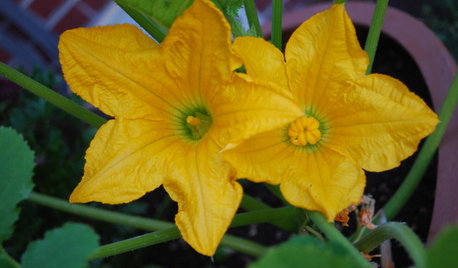
EDIBLE GARDENSSummer Crops: How to Grow Squash
Almost foolproof and with cheerful flowers, squash comes in a wide range of varieties to plant in spring
Full Story
HOUSEPLANTS8 Houseplants You Can't Kill
They're forgiving and let you forget. Houseplants don't get any easier than this
Full Story
COLORWhen Color Could Kill: Stories From the History of Paint
Delve into paint's storied past — what you learn about its history and modern incarnations may surprise you
Full Story
MOST POPULARThe Perfect Houseplant for People Who Kill Houseplants
If you can fill a jar with water, you can keep golden pothos vine happy — and it will pay you back with cleaner air and a greener home
Full Story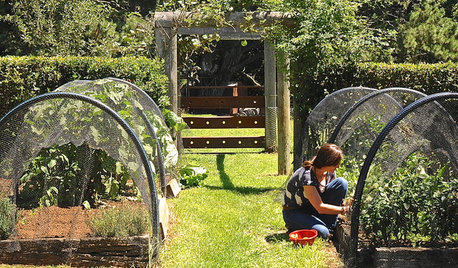
FARM YOUR YARDHouzz Call: Home Farmers, Show Us Your Edible Gardens
We want to see where your tomatoes, summer squashes and beautiful berries are growing this summer
Full Story
FUN HOUZZEverything I Need to Know About Decorating I Learned from Downton Abbey
Mind your manors with these 10 decorating tips from the PBS series, returning on January 5
Full Story
REGIONAL GARDEN GUIDESMid-Atlantic Gardener's September Checklist
Squash, anyone? Cool-season veggies are suiting up for the garden, while summer's last blooms are winding down
Full Story
DECORATING GUIDESThe Dumbest Decorating Decisions I’ve Ever Made
Caution: Do not try these at home
Full Story
WINTER GARDENING6 Reasons I’m Not Looking Forward to Spring
Not kicking up your heels anticipating rushes of spring color and garden catalogs? You’re not alone
Full Story
GARDENING GUIDESHow I Learned to Be an Imperfect Gardener
Letting go can lead to a deeper level of gardening and a richer relationship with the landscape. Here's how one nature lover did it
Full Story
Okiedawn OK Zone 7
Related Professionals
Athens Landscape Architects & Landscape Designers · Bainbridge Landscape Architects & Landscape Designers · Bowling Green Landscape Architects & Landscape Designers · Lincoln Landscape Architects & Landscape Designers · Logan Landscape Architects & Landscape Designers · Poplar Bluff Landscape Contractors · Wichita Falls Landscape Contractors · Grand Island Landscape Contractors · Canton Landscape Contractors · Hot Springs Accessory Dwelling Units · Panama City Accessory Dwelling Units · Atlanta Accessory Dwelling Units · Sugar Land Accessory Dwelling Units · Phoenix Accessory Dwelling Units · Salem Accessory Dwelling Units