

fertilizer to flush a sago
16 years ago
Sort by:Oldest
Comments (7)
Related Stories

GARDENING GUIDESGet on a Composting Kick (Hello, Free Fertilizer!)
Quit shelling out for pricey substitutes that aren’t even as good. Here’s how to give your soil the best while lightening your trash load
Full Story
GARDENING GUIDESSouthwest Gardener's August Checklist
Manage monsoon effects, remember to fertilize and don't let the heat deter you from planting for fall
Full Story
EDIBLE GARDENSHow to Add an Apple Tree to Your Edible Garden
Readily available, beautiful and fragrant, apple trees offer four-season interest along with crisp, juicy fruit
Full Story
LANDSCAPE DESIGNThe Unparalleled Power of Trees
Discover the beauty and magic of trees, and why a landscape without them just isn't the same
Full Story
GARDENING GUIDESGreat Design Plant: Low-Maintenance Calliandra Eriophylla
Pink, puffy flowers of pink fairy duster transform the lacy foliage of this desert native in spring
Full Story
EDIBLE GARDENSA Formerly Weedy Lot Now Brims With Edibles and Honeybees
Photographers transform their barren backyard into an oasis filled with fruit, vegetables, honey, eggs and more
Full Story
REGIONAL GARDEN GUIDESPacific Northwest Gardener: What to Do in April
Get ready for annual flowers and watch out for snails to ensure a bountiful garden now through summer
Full Story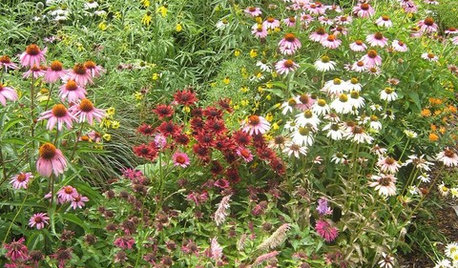
GARDENING GUIDESCentral Plains Gardener's June Checklist
The flowers are coming! The flowers are coming! And so are the butterflies, hummingbird moths and coneflower diseases
Full Story0
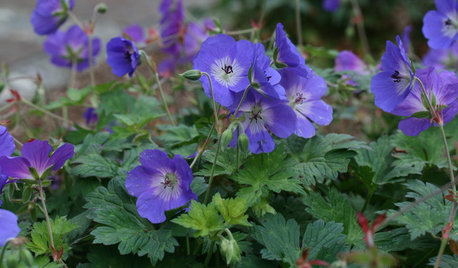
FLOWERSGreat Design Plant: 'Rozanne' Cranesbill
Try this vigorous scrambling beauty as a ground cover or container plant for captivating garden color all summer long
Full Story
HOUSEPLANTS8 Essentials for Healthy Indoor Plants
Houseplants add so much to our homes — and can thrive when grown in the right conditions. Keep these tips in mind
Full Story
jimhardy
tropicalzone7
Related Professionals
Clarksburg Landscape Architects & Landscape Designers · Worthington Landscape Architects & Landscape Designers · Lincoln Landscape Architects & Landscape Designers · Phoenix Landscape Architects & Landscape Designers · Stockton Landscape Architects & Landscape Designers · Hagerstown Landscape Contractors · Concord Landscape Contractors · Clarksburg Landscape Contractors · Burlington Landscape Contractors · Bend Landscape Contractors · Albany Architects & Building Designers · Belleville Architects & Building Designers · Fargo Architects & Building Designers · Helena Architects & Building Designers · Kennewick Architects & Building Designersxerophyte NYC
NoVaPlantGuy_Z7b_8a
xerophyte NYC
jimhardy
Scott Wallace