

Do you have bugs like this?
17 years ago
Sort by:Oldest
Comments (7)
Related Stories
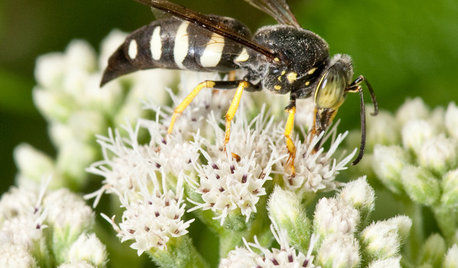
GARDENING GUIDESSand Wasps Keep True Bugs in Check and Help Pollinate Summer Flowers
Look for these solitary wasps nesting in sandy sites and foraging on flowers in July and August
Full Story
GARDENING AND LANDSCAPINGPorch Life: Banish the Bugs
Don't let insects be the bane of your sweet tea and swing time. These screening and product ideas will help keep bugs at bay on the porch
Full Story
GARDENING AND LANDSCAPINGBreezy and Bug-Free Modern Porches
Screening keeps pests out of these diverse porches across the U.S., while thoughtful designs keep them visually appealing
Full Story
GARDENING AND LANDSCAPINGBid Bad Garden Bugs Goodbye and Usher In the Good
Give ants their marching orders and send mosquitoes moseying, while creating a garden that draws pollinators and helpful eaters
Full Story
DIY PROJECTS12 Signs You've Caught the DIY Bug
Been making inventive things from scratch? Repurposing salvaged pieces creatively? It may be more serious than you think
Full Story
EARTH DAYHow to Help Your Town’s Beneficial Birds and Bugs
Make a habitat using local materials to provide a home to the creatures that help our gardens
Full Story
PRODUCT PICKSGuest Picks: Decor to Make Your Eyes Bug Out
Insects are marching to a different tune these days, showing up on knobs, teapots and even tablecloths
Full Story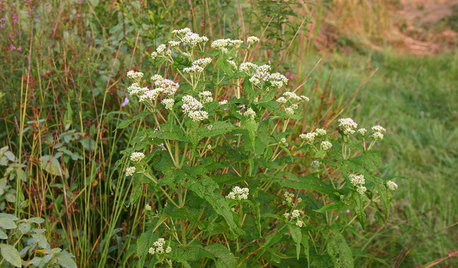
GARDENING GUIDESGreat Design Plant: Common Boneset Helps Good Bugs Thrive
Support bees, moths and butterflies with the nectar of this low-maintenance, versatile and tactile prairie-style plant
Full Story
BASEMENTSBasement of the Week: Backyard Beauty Inspires a Resort-Like Space
Open to the outdoors and all kinds of entertaining possibilities, this spacious renovated basement is fun for the whole family
Full Story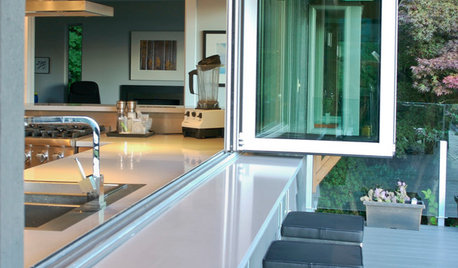
PATIOSWould You Like That Mai Tai Inside or Out?
Belly up to the bar for a look at 10 indoor-outdoor counters for summer
Full Story
Okiedawn OK Zone 7
scarlettfourseasonsrv
Related Professionals
Kansas City Landscape Architects & Landscape Designers · Barnstable Landscape Architects & Landscape Designers · La Crosse Landscape Architects & Landscape Designers · Monroe Landscape Architects & Landscape Designers · Sebring Landscape Contractors · Bloomington Landscape Contractors · Clarksdale Landscape Contractors · Danbury Landscape Contractors · Orange County Landscape Contractors · Mobile Accessory Dwelling Units · Middletown Accessory Dwelling Units · Killeen Accessory Dwelling Units · Webster Accessory Dwelling Units · Mankato Accessory Dwelling Units · Merced Accessory Dwelling Unitsmulberryknob
Okiedawn OK Zone 7
scarlettfourseasonsrv
sammy zone 7 TulsaOriginal Author
Okiedawn OK Zone 7