

Feeding the aphids
17 years ago
Sort by:Oldest
Comments (8)
Related Stories
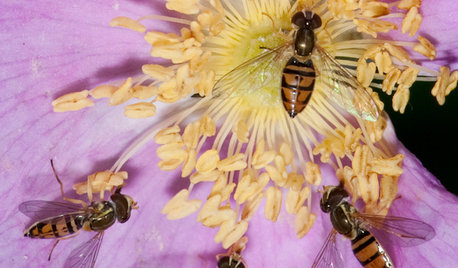
GARDENING GUIDESThis Fly Is One of the Most Beneficial Insects Around
Meet the syrphid fly, a colorful pollinator that also beats chemicals for controlling aphids and other garden pests
Full Story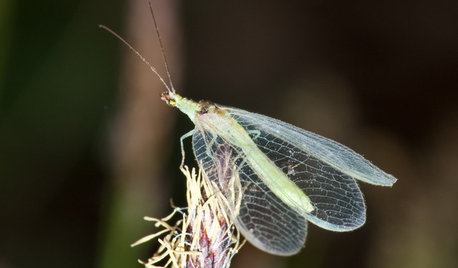
GARDENING GUIDESLook Out for Lacewings: Beneficial Insects Coming to a Garden Near You
Lacewings are delicate insects that produce alligator-like, hungry offspring that devour aphids and other garden pests
Full Story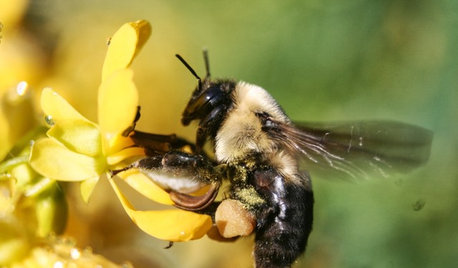
GARDENING FOR BUTTERFLIESGardening for the Bees, and Why It’s a Good Thing
When you discover how hard bees work for our food supply, you may never garden without them in mind again
Full Story
FARM YOUR YARDGrow a Kitchen Garden in 16 Square Feet
Got a sunny 4-by-4 space? You can make meals more interesting with your own vegetables and herbs
Full Story
GARDENING GUIDES4 Ways Gardens Can Go Beyond Aesthetic Beauty
Our landscapes can play an even more meaningful role if we rethink their purpose
Full Story
EDIBLE GARDENSGarden BFFs? Why Your Vegetables Are Begging for Companion Plants
Foster friendships among plants for protection from pests, pollination support and color camaraderie
Full Story
GARDENING GUIDESHow to Keep Your Citrus Trees Well Fed and Healthy
Ripe for some citrus fertilizer know-how? This mini guide will help your lemon, orange and grapefruit trees flourish
Full Story
GARDENING AND LANDSCAPINGBid Bad Garden Bugs Goodbye and Usher In the Good
Give ants their marching orders and send mosquitoes moseying, while creating a garden that draws pollinators and helpful eaters
Full Story
HOUSEPLANTSHow to Force Amaryllis Bulbs Indoors
Enjoy vibrant red blossoms even as gardens turn snowy white, by teaching this hardy repeat performer to ignore the calendar
Full Story
GARDENING GUIDESAttract Hummingbirds and Bees With These Beautiful Summer Flowers
Roll out a welcome mat for pollinators to keep your landscape in balance and thriving
Full StorySponsored

Central Ohio's Trusted Home Remodeler Specializing in Kitchens & Baths
User
tn_veggie_gardner
Related Professionals
Pittsburg Landscape Architects & Landscape Designers · Sioux Falls Landscape Architects & Landscape Designers · Palm Bay Landscape Contractors · Charlotte Landscape Contractors · Saint Cloud Landscape Contractors · Birmingham Home Builders · Mobile Home Builders · Vincennes Home Builders · Columbus Home Builders · Lawrenceburg Home Builders · Lynchburg Home Builders · Waterloo Home Builders · Jamestown Home Builders · Garden City Home Builders · Pierre Home Buildersmokikat
rick_in_va
tn_veggie_gardner
brnthumbinflOriginal Author
megachili
tn_veggie_gardner