

Plants that are rootbound.
12 years ago
Sort by:Oldest
Comments (7)
Related Stories
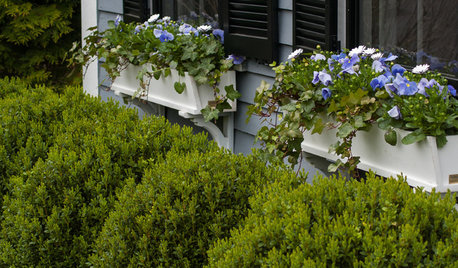
GARDENING GUIDESMake Sure You Read This Before Buying New Plants
Follow these 10 plant-selection tips to avoid buyer’s remorse
Full Story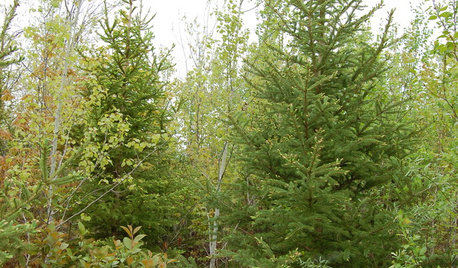
GARDENING GUIDESGreat Design Plant: Picea Glauca
Its sculptural form and evergreen foliage provide year-round beauty and wildlife shelter. Its cones offer important winter songbird food
Full Story
HOUSEPLANTS8 Essentials for Healthy Indoor Plants
Houseplants add so much to our homes — and can thrive when grown in the right conditions. Keep these tips in mind
Full Story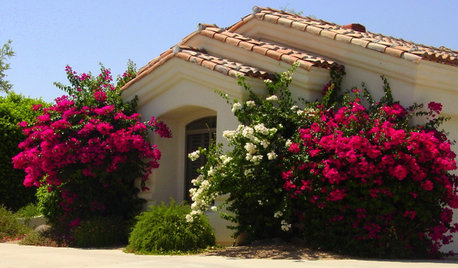
LANDSCAPE DESIGNGreat Design Plant: Sun-Loving Bougainvillea Showers Yards With Color
Bring unbeatable vibrancy to a garden or wall with this unfussy and trainable shrub packed with colorful bracts
Full Story
FALL GARDENINGMake This Fall’s Garden the Best Ever
Learn the most important tip for preventing buyer’s remorse, plus get more valuable buying and planting advice
Full Story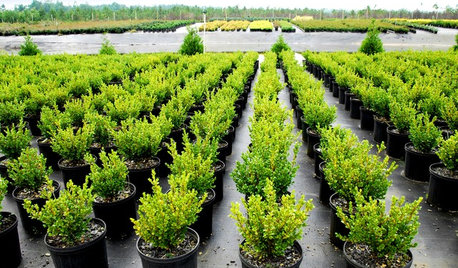
TREESHow to Buy Healthy Trees and Shrubs
A healthy young plant with a strong form is more likely to do well in your yard. Here’s what to look for at the nursery
Full Story
GARDENING GUIDESNew Ways to Think About All That Mulch in the Garden
Before you go making a mountain out of a mulch hill, learn the facts about what your plants and soil really want
Full Story
GARDENING GUIDESSeeds or Seedlings? How to Get Your Garden Started
Growing delicious herbs and vegetables starts with knowing your goals and when you want to plant
Full Story
HOUSEPLANTSOrchids 101: Try Something Different With Dendrobiums
If you’re looking for something out of the ordinary, these orchids may be a good choice
Full Story
GARDENING GUIDESPacific Northwest Gardener's August Checklist
Deadheading perennials, cutting raspberry canes and preparing for the onion harvest keeps Northwest gardeners busy in August
Full Story
brian6464
woohooman San Diego CA zone 10a
Related Professionals
Muskogee Landscape Architects & Landscape Designers · Gloucester Landscape Architects & Landscape Designers · Oshkosh Landscape Architects & Landscape Designers · Aberdeen Landscape Contractors · Saint Joseph Landscape Contractors · Rocky Mount Landscape Contractors · Fort Wayne Landscape Contractors · South Sioux City Landscape Contractors · Altoona Landscape Contractors · Montrose Landscape Contractors · Hot Springs Home Builders · Athens Home Builders · Modesto Home Builders · San Diego Home Builders · Fairbanks Home BuildersjutsFL
booberry85
soraystud
esox07 (4b) Wisconsin
cjohansen