

Trachycarpus in partial sun.
15 years ago
Sort by:Oldest
Comments (10)
Related Stories
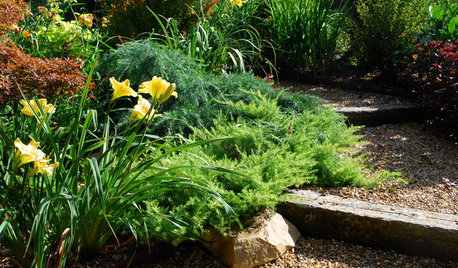
GARDENING GUIDESGreat Design Plant: Juniperus Conferta ‘Golden Pacific’
‘Golden Pacific’ shore juniper shines in sun or partial shade
Full Story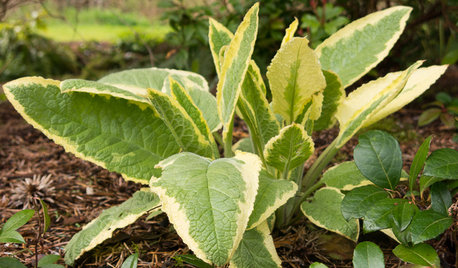
GARDENING GUIDESGreat Design Plant: Axminster Gold Comfrey for Sun or Shade
Plant this perennial for bold color that will light up shady spots, sparkle in the sun and add interest from spring until fall
Full Story
HOUZZ TOURSMy Houzz: An 1887 Duplex Finds the Sun
A new solarium, yellow paint and other makeover touches bring sunny cheer to a Montreal home
Full Story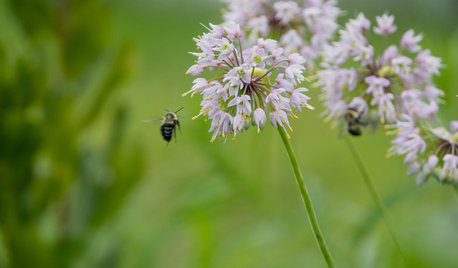
GARDENING GUIDES9 Clay-Busting Native Flowers for Summer Sun
These plants survive and even thrive in tough clay soil east of the Rocky Mountains
Full Story
LANDSCAPE DESIGNGreat Design Plant: Sun-Loving Ninebark Puts on a Color Show
This tall, dark and handsome native shrub is equally at home in jeans and boots or in a suit and tie
Full Story
PLANTING IDEASGreat Garden Combo: Tropical Beauties for a Sun-Drenched Border
These standouts hold up in drought, heat and humidity — and their good looks hold up to scrutiny
Full Story
PLANTING IDEASGreat Garden Combo: 5 High-Intensity Plants for High-Intensity Sun
Blend bold foliage and flowers to create a powerful combination that will hold its own even in the harsh light of midsummer
Full Story
GARDENING FOR BUTTERFLIESGreat Design Plant: Columbine Grows Happily in Shade and Sun
Its ethereal beauty comes from complex forms and wide-ranging colors, but columbine’s benefits are highly attractive too
Full Story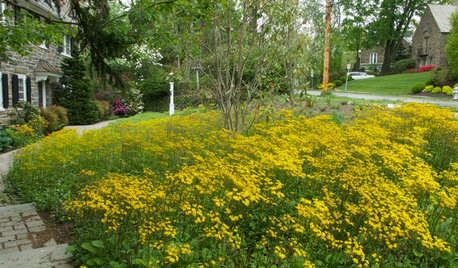
GARDENING GUIDESPackera Aurea Puts On a Springtime Show in Sun or Shade
This vigorous native ground cover welcomes bees with its early-blooming flowers and makes an attractive lawn alternative
Full Story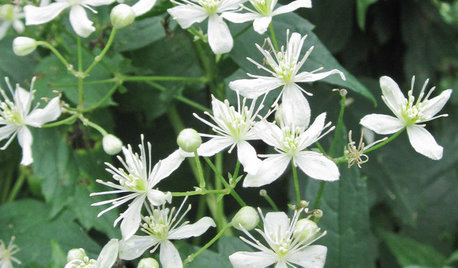
GARDENING GUIDESGreat Design Plant: Clematis Virginiana
Devil’s darning needles, a vigorous vine native to eastern North America, likes partial shade and many types of soils
Full Story
tropicalzone7
mike-jaramillo
Related Professionals
Macon Landscape Architects & Landscape Designers · San Marcos Landscape Architects & Landscape Designers · Temecula Landscape Architects & Landscape Designers · Carson City Landscape Architects & Landscape Designers · Vancouver Landscape Architects & Landscape Designers · Belleville Landscape Contractors · Ogden Landscape Contractors · York Landscape Contractors · Chambersburg Architects & Building Designers · Galveston Architects & Building Designers · Portland Architects & Building Designers · Nashua Architects & Building Designers · Trenton Architects & Building Designers · Kenosha Architects & Building Designers · Vancouver Architects & Building DesignersUserOriginal Author
mike-jaramillo
lzrddr
jimhardy
UserOriginal Author
jimhardy
lzrddr
UserOriginal Author