

Sunscreen
19 years ago
Sort by:Oldest
Comment (1)
Related Stories
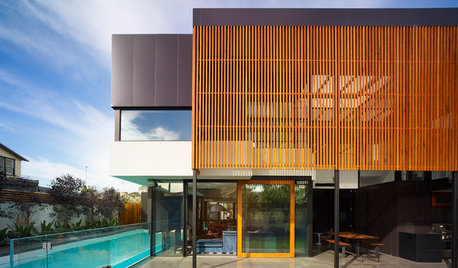
ARCHITECTUREArchitectural Sunscreens Take the Heat Off Homes
Sun-blocking screens help you stay cool, play with light and create a stunning modern exterior
Full Story
OUTDOOR ACCESSORIESCare Guide: How to Clean Your Patio Cushions
Ready your furniture for spring and summer with these tips for removing sunscreen stains, mildew and more
Full Story
GARDENING AND LANDSCAPINGGreat Cover-Ups: 8 Outdoor Canopies and Shades
Lounge as long as you like without getting baked, with one of these sun-screening structures for your backyard, deck or patio
Full Story

PRODUCT PICKSGuest Picks: Create Hamptons Chic at Home
Crisp whites, blues and subtle beach-theme accessories make for an elegant yet comfortable coastal look
Full Story
DECORATING GUIDES5 Easy Ways to Summer-ize Your Home
Tips to Brighten and Lighten Your Home for Summer
Full Story
INSIDE HOUZZThere’s a Party in the Backyard, Says a Houzz Landscaping Survey
Entertaining, growing edibles and solving problems are goals for homeowners planning to revamp their yards
Full Story
SHOP HOUZZShop Houzz: Backyard, Patio and Poolside Sale
Up to 70% off outdoor games, pool floats, fire pits and more
Full Story0

SHOP HOUZZShop Houzz: Backyard Family Fun Sale
All you need for picnic, pool and playground-style fun all summer
Full Story0

HOUSEKEEPING10 Things to Do Now for an Easier, Happier Summer
Set up your home for easy cleaning and cooking, and get ready for those trips to the beach
Full Story
david52 Zone 6
Related Professionals
Oxford Landscape Architects & Landscape Designers · San Marcos Landscape Architects & Landscape Designers · Odessa Landscape Architects & Landscape Designers · Dothan Landscape Contractors · Saint Joseph Landscape Contractors · Charleston Landscape Contractors · Johnson City Landscape Contractors · Birmingham Architects & Building Designers · Crestview Architects & Building Designers · Athens Architects & Building Designers · Muncie Architects & Building Designers · Brattleboro Architects & Building Designers · Temecula Architects & Building Designers · Yuba City Architects & Building Designers · Salt Lake City Architects & Building Designers