

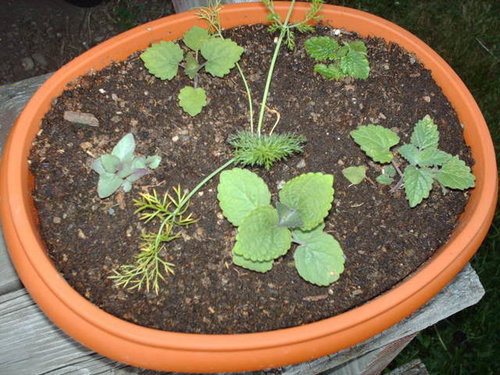
Looks like Fun
19 years ago
Sort by:Oldest
Comments (11)
Related Stories
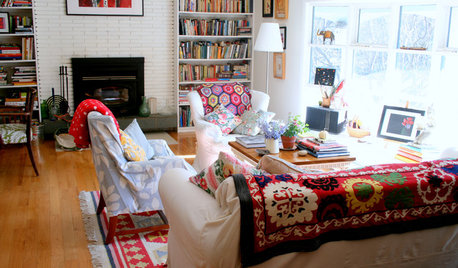
ACCESSORIESFinish Your Look With a Fun Mix of Textiles
Why box yourself into a design corner when you can spread out ever-changing throws, rugs and even bags?
Full Story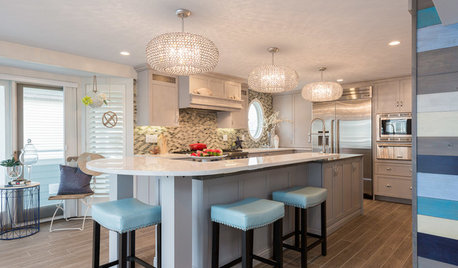
KITCHEN OF THE WEEKKitchen of the Week: Beachy Good Looks and a Layout for Fun
A New Hampshire summer home’s kitchen gets an update with a hardworking island, better flow and coastal colors
Full Story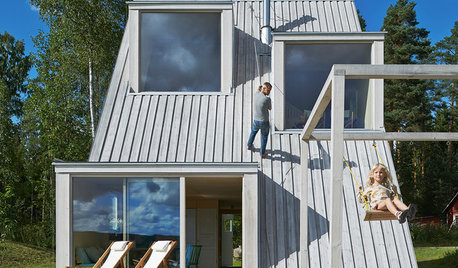
FUN HOUZZWorld of Design: 16 Fun Homes That Encourage Play
What does a fun home look like? These 16 very different properties around the world are designed with enjoyment in mind
Full Story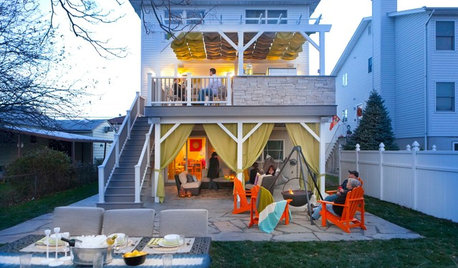
LIFEHouzz Call: What Does Summer Look Like at Your Home?
Kids, water, sunshine, backyards, cold drinks — share photos of what summer at home means to you
Full Story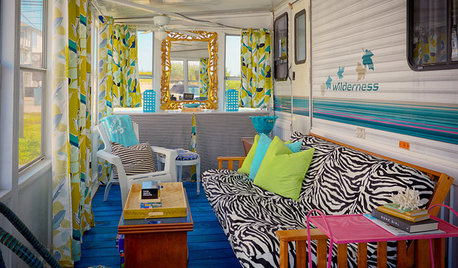
LIFEYou Said It: ‘They Looked at Me Like I Had 10 Heads’
Design advice, inspiration and observations that struck a chord
Full Story
PRODUCT PICKSGuest Picks: 20 Fun and Colorful Teaching Toys
Kids might not even realize they’re learning with playthings and playroom accessories like these
Full Story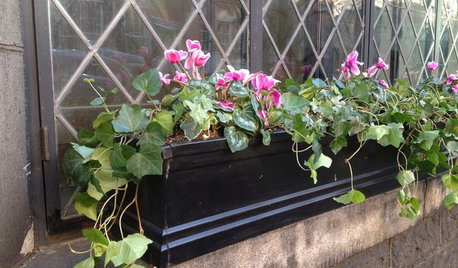
WINTER GARDENINGCity Gardener: Fun With Winter Window Boxes
Winter's chill and a lack of yardage don't need to deter you from bedecking your windows with eye-catching arrangements like these
Full Story0
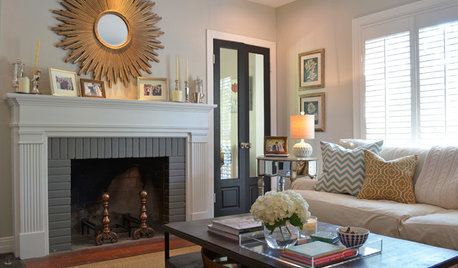
FEEL-GOOD HOME10 Ways to Get That Casual Chic Look
Make your home look effortlessly elegant by balancing rustic and refined, mixing textures and having a little fun
Full Story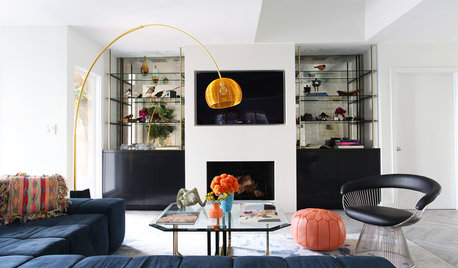
HOUZZ TOURSHouzz Tour: New Color and Fun for a Midcentury Bachelor Pad
A mix that says modern, vintage and Hollywood hotel gives this single guy's midcentury home a lively look
Full Story
FUN HOUZZHere's Looking at You: A Mirror Personality Quiz
What does your bathroom mirror preference say about you? We offer some speculations to go with 11 very different mirror styles
Full Story
jaliranchr
wishccr
Related Professionals
Hilton Head Island Landscape Architects & Landscape Designers · Worthington Landscape Architects & Landscape Designers · McComb Landscape Contractors · Greenfield Landscape Contractors · San Jose Landscape Contractors · Montrose Landscape Contractors · Pocatello Landscape Contractors · Cornwall Landscape Contractors · Montgomery Architects & Building Designers · Little Rock Architects & Building Designers · Chillicothe Architects & Building Designers · Stamford Architects & Building Designers · Boise Architects & Building Designers · Pierre Architects & Building Designers · Lagrange Architects & Building DesignersdigitOriginal Author
lnmca
billie_ladybug
Skybird - z5, Denver, Colorado
digitOriginal Author
digitOriginal Author
cnetter
digitOriginal Author
digitOriginal Author