Software
Houzz Logo Print
greenman62

hot climate growing problems -newbie

11 years ago
OK
so im not that much of a newbie, ive grown peppers several times before, and i grow tropical fruits (my 1st passion)
peppers are more of a sideline plant.
i grow the peppers in-ground.

and though ive grown them several times before, i always have problems in mid-summer, with the plants seemingly going dormant, and start producing again when then temps cool off.
mulch and planting other plants nearby help,, but, not a real fix.
ive had the problem with chilie types, bells, Habs etc...
everything ive grown.

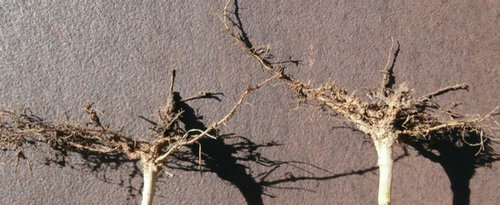
ive also noticed the roots.
at the base is usually a big rootball, with not a lot of roots, often brownish.

I have started them indoors, with 6 inch long roots on a 4 inch plant, thinking... this is great, lots of long roots will fix the problem, but, somehow it never translates into ACTUAL root-mass.
i still wind up with a small round root-ball, and a few small brown roots coming from it.

i am guessing this is a disease, maybe root-rot ?
Root knot nematodes ?

I am in New Orleans, and we get a LOT of rain, sometimes for several days straight. heavy rains....

Summertime temps are mid 90s in the day
every day.

the soil is riversand, i added a little bit of compost, and aged coffee grounds, mixed it in, and raised it above soil level about 2 or 3 inches
They get 6 to 10 hours sun, depending on the part of my yard,, and season

These pics were taken a week AFTER a freeze
so, it may be normal ?
the plants are either dead, or almost.

This post was edited by greenman62 on Sat, Nov 29, 14 at 11:27

Comments (6)

  • 11 years ago

    Here's my take on the info you've provided.

    ThOSE roots look fine. Maybe a tad bit of rot on the left one. But that still doesn't mean that you're NOT getting rot on the roots that were left in the ground.

    Sand is normally a great base to work with because it drains so well. But it also requires copious amounts of compost, not just a little. Is the river sand possibly TOO silty that there's not a lot of porosity to allow oxygen to the roots? Again, copious amounts of compost would help here. Watering just might be the issue -- heavy rains in sand should wash through, not leaving the roots WET. The problem is you can't control the rain and if the top few inches of soil remain moist, the roots will not reach for moister, deeper areas.

    For your current growing style(in ground), I would add tons of compost. And then when it comes to watering, I would let the plants wilt in between waterings. I'm not talking about normal wilt that happens on 95F summer humid days -- that's normal. But when you walk out in the "cooler' morning and see them slightly wilting, you'll get an idea of how often they need watering. You want to water right before this type of wilting. Water deep, not frequent short soaks.

    Other solutions. Build a raised bed -- much easier to control water with your own soil mix and might just be the perfect solution for those torrential rains you get.

    Containers. Look up Al's 5-1-1 mix -- many people grow their peppers in a very porous, superbly draining mix just because they have the same issue as you in regards to heavy summer rains.

    As far as the slow down in the summer. Just a way of life for flowering, fruiting veggies. Extended periods of daytime temps above 95F just slows down flower production and pollination. So, mulching, like you do, is awesome. Heavy mulching is even better. Adding shade cloth will definitely help though. When the forecast call for high 90's, throw the shade cloth(or even old bed sheets) over the plants for those midday scorching hours. Try to let them get the DIRECT sun in the morns and late afternoons when the temps have cooled a bit.

    For more tips, you might want to visit the Louisiana forum. Maybe you'll find a chilehead who grows in similar conditions and has learned the tricks for that area.

    Good luck.

    Kevin

  • 11 years ago

    Did your area flood during Katrina ? If so you might have a high salt level in your soil and that will cause root damage

  • 11 years ago

    Never though of that randy.

    Surely those salts would've leached by now, no?

    Kevin

  • 11 years ago

    Depends on what is under the sand, if soil it should if it's clay might not

  • 11 years ago

    Everything everybody else said.
    I grow in sand too, out here in Bastrop County Texas, and I use tons of compost in raised beds. My roots look about like yours, and my plants produce about like yours too, initial spring growth/production, followed by a lull during the hottest parts of August/September, followed by a bumper crop when it cools down to lower nineties, or cooler. If at all possible, try to give'em morning sun and afternoon shade, and put'em on a drip system so they get watered twice a day because in sand, water goes straight down, even though you may have a lot of compost in the soil. Use a spray dripper to spread the water out around the drip line of the plant to make the roots spread out instead of going straight down. Mulch, mulch, and mulch. And bone meal and granular fertilizer on a regular basis to the drip can water it in every time it comes on.
    Weird thing is, some of my plants are still producing after two frosts...

  • 11 years ago

    2 weeks ago,
    the forecast was for a low of 39F
    so, i just put the plants near the house,
    no reason to drag them into the greenhouse,
    too much work....

    it decided to drop to 27F instead of 39F

    damn near killed everything i have in containers.

    nice forecast for New Orleans
    but, i dont trust it.

    this is what i use...
    -----------------------------------------------------
    ** Cajun weather vane **

    materials needed:
    string
    wood
    nail
    hammer

    get a piece of wood about 2ft tall, 4 inches wide
    and a 1/2 in thick.

    get some string, about 8 inches long.

    nail said string to the top area
    of the piece of wood.
    attach wood to side of house, barn etc...
    *****************************************
    ** ** instructions - reading the weather vane** **

    * If the string is wet, its raining.

    * If the string is moving, its windy

    * If the string is white its snowing

    * If the string is hard to see, its foggy

    * If the string is gone, there is a hurricane.

Sponsored
Whisler Home Improvement
Average rating: 5 out of 5 stars9 Reviews
Franklin County's Committed Home Improvement Professionals