

SFG soil comparison
19 years ago
Sort by:Oldest
Comment (1)
Related Stories
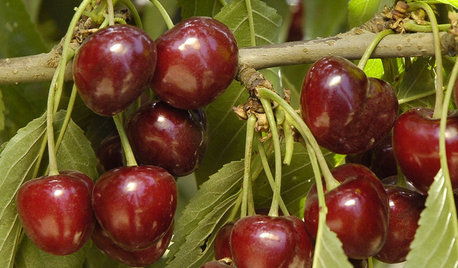
EDIBLE GARDENSHow to Grow Your Own Luscious Cherries
Nope, they’re not the easiest fruit to grow. But with spectacular blossoms and pies as possibilities, cherries are sure worth a try
Full Story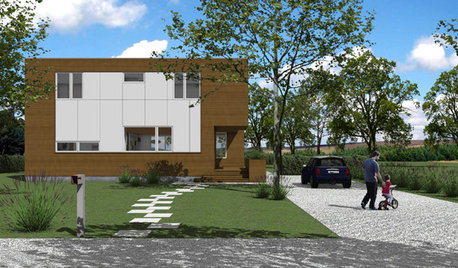
ARCHITECTURE3 Home Design Solutions to Challenging Building Lots
You don't need to throw in the towel on an irregular homesite; today's designers are finding innovative ways to rise to the challenge
Full Story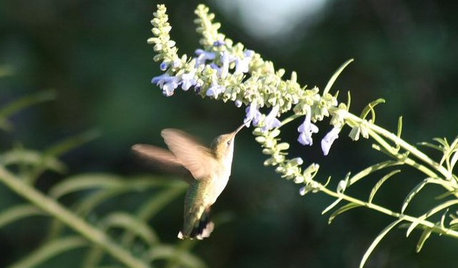
GARDENING GUIDESHow to Find the Right Native Plants for Your Yard
Find plant maps, sale sites and guides that make going native in the garden easier than ever
Full Story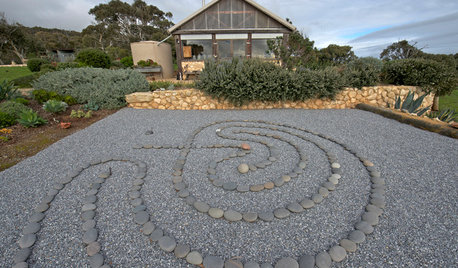
STUDIOS AND WORKSHOPSStep Inside a Stunning Nature-Inspired Sanctuary in South Australia
An Aussie artist lets the natural coastal landscape dictate the design of her creative retreat
Full Story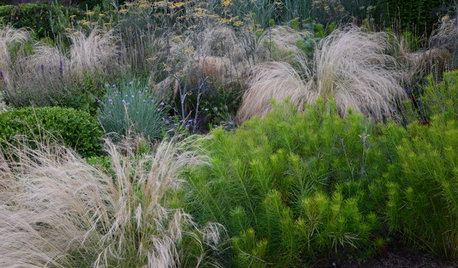
GARDENING GUIDES4 Ways to Break the Rules in Your Garden
For a more creative landscape design, take a different approach to planting
Full Story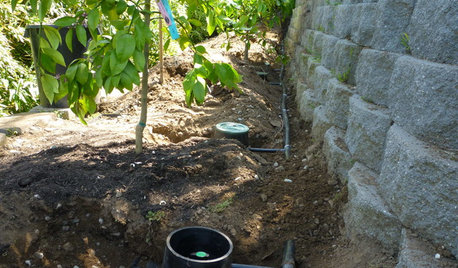
EARTH DAYGrow a Beautiful Garden With Ecofriendly Greywater
Reducing home water waste means lower bills and a healthier planet. Here's how to set up a greywater home irrigation system that can help
Full Story
EDIBLE GARDENSSummer Crops: How to Grow Tomatoes
Plant tomato seedlings in spring for one of the best tastes of summer, fresh from your backyard
Full Story
GARDENING GUIDESHow to Switch to an Organic Landscape Plan
Ditch the chemicals for a naturally beautiful lawn and garden, using living fertilizers and other nontoxic treatments
Full Story
GARDENING GUIDESHow to Get Your Prairie On
Have a field day with your landscape, even if you've got just a few modern containers on a paved path
Full Story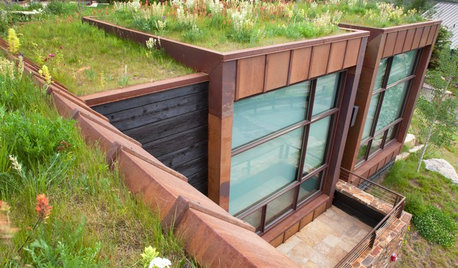
GREEN BUILDING6 Green-Roof Myths, Busted
Leaky, costly, a pain to maintain ... nope, nope and nope. Get the truth about living roofs and see examples from simple to elaborate
Full Story
darkcloud
Related Professionals
Cape Coral Landscape Architects & Landscape Designers · Concord Landscape Architects & Landscape Designers · Plymouth Landscape Architects & Landscape Designers · Victorville Landscape Architects & Landscape Designers · Carson City Landscape Architects & Landscape Designers · Pine Bluff Landscape Contractors · Richmond Landscape Contractors · Cape Girardeau Landscape Contractors · Lincoln Landscape Contractors · Kenosha Landscape Contractors · Muskogee Architects & Building Designers · New Haven Architects & Building Designers · Utica Architects & Building Designers · Riverside Architects & Building Designers · Sacramento Architects & Building Designers