

A Stone Square Foot Garden
19 years ago
Sort by:Oldest
Comments (4)
Related Stories
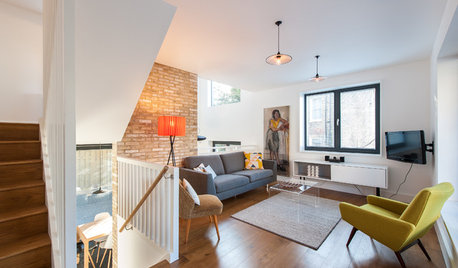
CONTEMPORARY HOMESHouzz Tour: Split-Level Home Uses Every Square Foot
A staircase connects levels that share views and light. The result is separate rooms with an open-plan feeling
Full Story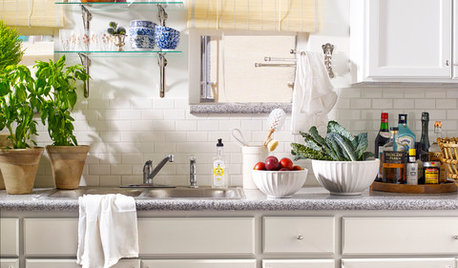
SMALL KITCHENSHouzz Call: Show Us Your 100-Square-Foot Kitchen
Upload photos of your small space and tell us how you’ve handled storage, function, layout and more
Full Story
SMALL KITCHENSThe 100-Square-Foot Kitchen: Fully Loaded, No Clutter
This compact condo kitchen fits in modern appliances, a walk-in pantry, and plenty of storage and countertop space
Full Story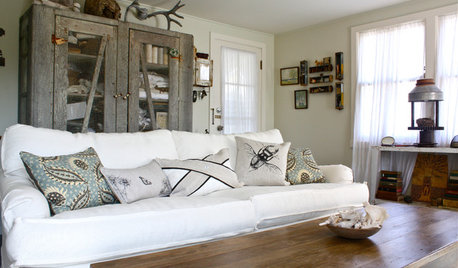
HOUZZ TOURSMy Houzz: 500-Square-Foot Charmer in Santa Cruz
Dreamy whites, antique finds and nature-inspired decor fill an interior designer's cozy lagoon-side home
Full Story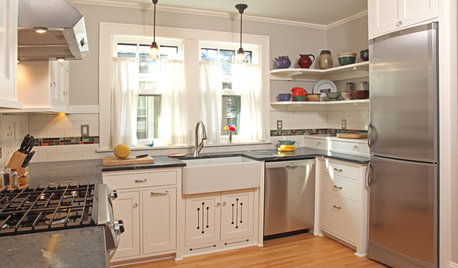
KITCHEN DESIGNThe 100-Square-Foot Kitchen: Farm Style With More Storage and Counters
See how a smart layout, smaller refrigerator and recessed storage maximize this tight space
Full Story
SMALL KITCHENSThe 100-Square-Foot Kitchen: One Woman’s $4,500 DIY Crusade
Teaching herself how to remodel, Allison Macdonald adds function, smarter storage and snazzier materials
Full Story
SMALL KITCHENSThe 100-Square-Foot Kitchen: No More Dead Ends
Removing an angled peninsula and creating a slim island provide better traffic flow and a more airy layout
Full Story
ROOM OF THE DAYRoom of the Day: An 8-by-5-Foot Bathroom Gains Beauty and Space
Smart design details like niches and frameless glass help visually expand this average-size bathroom while adding character
Full Story
HOUZZ TVHouzz TV: Fun Family Living in 980 Square Feet
In a place known for going big, a family of 4 opts for creative space savers and subtle luxuries instead
Full Story
HOUZZ TOURS13 Character-Filled Homes Between 1,000 and 1,500 Square Feet
See how homeowners have channeled their creativity into homes that are bright, inviting and one of a kind
Full Story
Sponsored
litlcat
bryanb1Original Author
Related Professionals
Brunswick Landscape Architects & Landscape Designers · Lynchburg Landscape Architects & Landscape Designers · Worcester Landscape Architects & Landscape Designers · Milwaukee Landscape Architects & Landscape Designers · San Jose Landscape Architects & Landscape Designers · Kahului Landscape Architects & Landscape Designers · Charlottesville Landscape Contractors · Oshkosh Landscape Contractors · Cowansville Landscape Contractors · Washington Architects & Building Designers · Meridian Architects & Building Designers · Jacksonville Architects & Building Designers · Coldwater Architects & Building Designers · Willmar Architects & Building Designers · Keene Architects & Building Designerswbchmura
bryanb1Original Author