

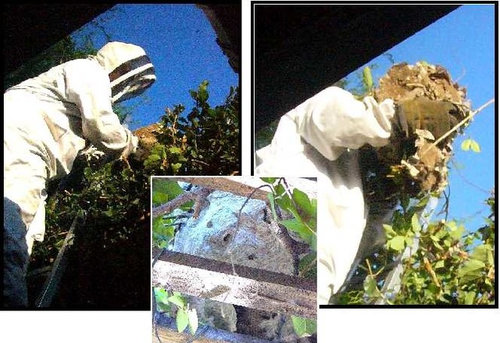
Wasp nest?
21 years ago
Sort by:Oldest
Comments (8)
Related Stories
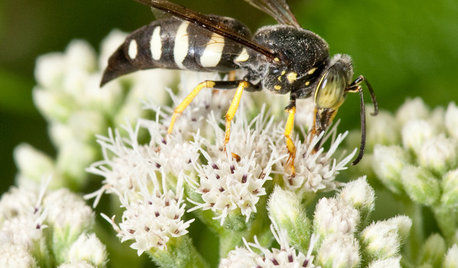
GARDENING GUIDESSand Wasps Keep True Bugs in Check and Help Pollinate Summer Flowers
Look for these solitary wasps nesting in sandy sites and foraging on flowers in July and August
Full Story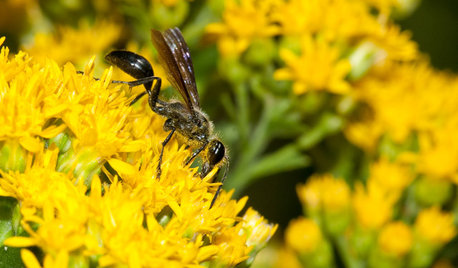
GARDENING GUIDESMeet the Grass-Carrying Wasp, a Gentle Pollinator of Summer Flowers
These fascinating insects nest in wood cavities and hollow plant stems
Full Story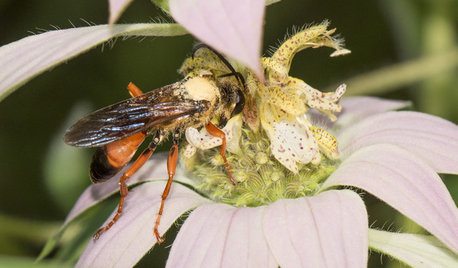
GARDENING GUIDESGreat Golden Digger Wasp: A Beneficial Flower-Visiting Insect
Introducing the great golden digger wasp, a colorful pollinator that also hunts foliage-eating insects
Full Story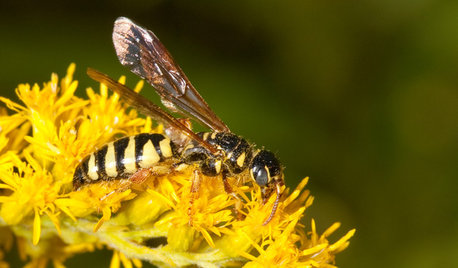
GARDENING GUIDESAttract Thynnid Wasps With Summer-Flowering Native Plants
These beneficial insects will hunt damaging beetle grubs in your lawn
Full Story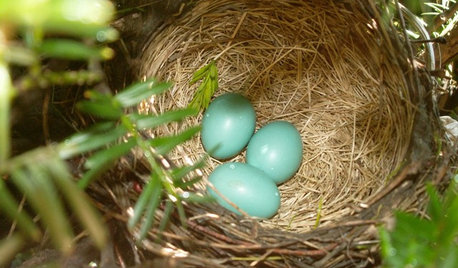
GARDENING FOR BIRDSWhat to Know About Birds Nesting in Your Yard
Learn how to observe, record data and help ornithologists with NestWatch’s citizen science project understand bird trends
Full Story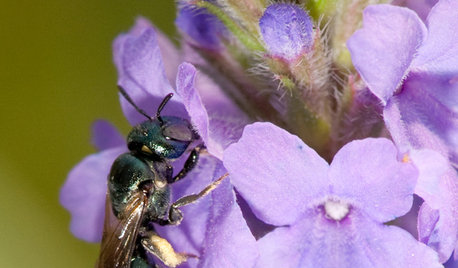
GARDENING GUIDESSmall Carpenter Bees Are Looking for a Home in Your Plant Stems
Provide flowers and nesting sites in your garden for this beautiful, tiny, metallic blue wild bee — your plants will thank you
Full Story
BENEFICIAL INSECTSAttract Pollinators for a Productive Edible Garden
You can lure bees, butterflies and birds into your yard with the right flowers and nesting spots
Full Story
ACCESSORIESMake Things Magical With Paper Lanterns
Set some poetry in motion with affordable Asian-style paper lanterns that enchant as everyday or party decor
Full Story
GARDENING GUIDESInvite Cellophane Bees to Your Garden by Providing Patches of Bare Soil
Look for cellophane bees (Colletes) pollinating flowering trees and shrubs in U.S. gardens this spring
Full Story
GARDENING AND LANDSCAPINGRenovation Detail: The Blue Porch Ceiling
Ghostly legends spurred the Haint Blue porch ceiling trend in the South, but you can pick this color just because it's pretty
Full Story
Sponsored
More Discussions
webkat5
dianamayOriginal Author
Related Professionals
Atlanta Landscape Architects & Landscape Designers · New Orleans Landscape Architects & Landscape Designers · Oxford Landscape Architects & Landscape Designers · Lafayette Landscape Architects & Landscape Designers · Brainerd Landscape Architects & Landscape Designers · Mansfield Landscape Architects & Landscape Designers · Salisbury Landscape Contractors · Gulfport Landscape Contractors · Newport Landscape Contractors · Magnolia Tile and Stone Contractors · Salisbury Tile and Stone Contractors · Tyler Tile and Stone Contractors · Cedar Rapids Tile and Stone Contractors · Plattsburgh Tile and Stone Contractors · Yuma Tile and Stone Contractorsrhizo_1 (North AL) zone 7
dianamayOriginal Author
dianamayOriginal Author
jean001
chuckr30
dianamayOriginal Author