

Sanded grout mistake?
18 years ago
Featured Answer
Sort by:Oldest
Comments (7)
 PRO18 years ago
 18 years ago
Related Professionals
Kissimmee Kitchen & Bathroom Designers · Toms River Kitchen & Bathroom Designers · Knoxville Kitchen & Bathroom Designers · Waco Kitchen & Bathroom Designers · Concord Kitchen & Bathroom Designers · Twin Falls Kitchen & Bathroom Designers · Spokane Kitchen & Bathroom Designers · Hartford Bathroom Remodelers · Eau Claire Bathroom Remodelers · Hagerstown Tile and Stone Contractors · Knoxville Tile and Stone Contractors · Alpena Tile and Stone Contractors · Poughkeepsie Tile and Stone Contractors · La Grande Tile and Stone Contractors · Riverton Tile and Stone Contractors- PRO18 years ago
- 18 years ago
- PRO18 years ago
- 18 years ago
Related Stories
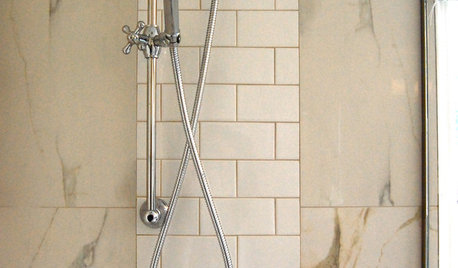
REMODELING GUIDES9 Ways Grout–Yes, Grout–Can Add to Your Design
Choose From a Palette of Grout Colors for a Warm, Unified Look
Full Story
DECORATING GUIDESFrom Queasy Colors to Killer Tables: Your Worst Decorating Mistakes
Houzzers spill the beans about buying blunders, painting problems and DIY disasters
Full Story
MOST POPULARSo You Say: 30 Design Mistakes You Should Never Make
Drop the paint can, step away from the brick and read this remodeling advice from people who’ve been there
Full Story
BATHROOM DESIGNConvert Your Tub Space Into a Shower — the Tiling and Grouting Phase
Step 3 in swapping your tub for a sleek new shower: Pick the right tile and test it out, then choose your grout color and type
Full Story
TILEEpoxy vs. Cement Grout — What's the Difference?
Grout is grout, right? Nope. Cement and epoxy versions have different appearances, durability and rules of installation
Full Story
TILE3 Key Steps for Grouting That Looks Its Best
Get your grout right to keep your tile beautiful and for an installation that will last
Full Story
BATHROOM DESIGN5 Common Bathroom Design Mistakes to Avoid
Dodge blunders in toilet placement, shower type and more, and see examples of how to get your bathroom right
Full Story
HOUSEKEEPINGHow to Clean Grout — Stains and All
If your grout is grossing you out, this deep-cleaning method will help it look new again
Full Story
KITCHEN DESIGNSubway Tile Picks Up Gray Grout
Heading into darker territory, subway tile offers a graphic new look for kitchens, bathrooms and more
Full Story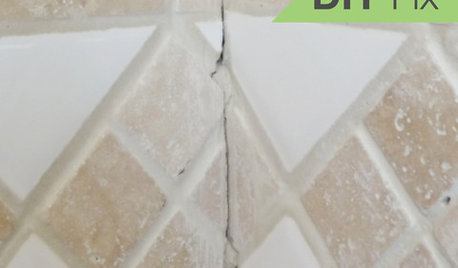
BATHROOM TILEQuick Fix: Repair Cracked Bathroom Grout
Banish an eyesore and safeguard your bathroom from water damage in 30 minutes or less with this DIY repair
Full Story

ladycfp