

are bottle-traps unsafe?
17 years ago
Featured Answer
Sort by:Oldest
Comments (7)
 17 years ago
- 17 years ago
Related Professionals
Forrest City Kitchen & Bathroom Designers · Crestview Kitchen & Bathroom Designers · Morgan City Kitchen & Bathroom Designers · Beaumont Kitchen & Bathroom Designers · Gloucester Kitchen & Bathroom Designers · Augusta Kitchen & Bathroom Designers · Terre Haute Bathroom Remodelers · Albert Lea Bathroom Remodelers · Lima Bathroom Remodelers · Riverside Bathroom Remodelers · Bronx Bathroom Remodelers · Pensacola Tile and Stone Contractors · Jacksonville Tile and Stone Contractors · Norfolk Tile and Stone Contractors · Anchorage Tile and Stone Contractors- 17 years ago
- 17 years ago
- 17 years ago
- 15 years ago
Related Stories
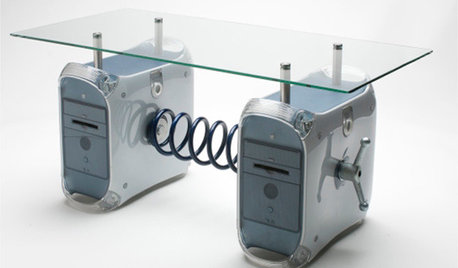
HOME TECHRecycle Your Electronics ... Into Furniture!
Eco awareness and geek-chic style merge in home furnishings made from the gadgets of days gone by
Full Story
HOLIDAYS50 Ways to Wrap Holiday Gifts in Style
Here are all the tools and trimmings you need for your best-wrapped gifts ever
Full Story
REMODELING GUIDESYou Won't Believe What These Homeowners Found in Their Walls
From the banal to the downright bizarre, these uncovered artifacts may get you wondering what may be hidden in your own home
Full Story
LIFE21 Things Only People Living With Kids Will Understand
Strange smells, crowded beds, ruined furniture — here’s what cohabiting with little monsters really feels like
Full Story
DECORATING GUIDESQuick Fix: Erase Water Rings from Furniture
A few household items can quickly rejuvenate tarnished wood tabletops
Full Story
ORGANIZINGStorage Tricks for Those Who Love Their Stuff
Get ideas for clearing the decks without getting rid of all the lovely things you want to keep around
Full Story
HEALTHY HOMEHow to Choose a Home Water Filtering System
Learn which water purification method is best for your house, from pitchers to whole-house setups
Full Story
MOST POPULARHow to Get Rid of Those Pesky Summer Fruit Flies
Learn what fruit flies are, how to prevent them and how to get rid of them in your home
Full Story
EARTH DAYGrow a Beautiful Garden With Ecofriendly Greywater
Reducing home water waste means lower bills and a healthier planet. Here's how to set up a greywater home irrigation system that can help
Full Story
BATHROOM DESIGNHow to Design an Accessible Shower
Make aging in place safer and easier with universal design features in the shower and bathroom
Full Story
davidro1