

2 blowers or 1?
19 years ago
Sort by:Oldest
Comments (4)
Related Stories

HOME OFFICESQuiet, Please! How to Cut Noise Pollution at Home
Leaf blowers, trucks or noisy neighbors driving you berserk? These sound-reduction strategies can help you hush things up
Full Story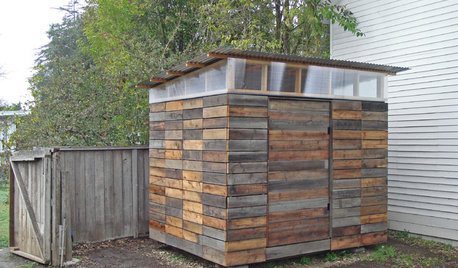
STORAGE2 Weeks + $2,000 = 1 Savvy Storage Shed
This homeowner took backyard storage and modern style into his own hands, building a shed with reclaimed redwood and ingenuity
Full Story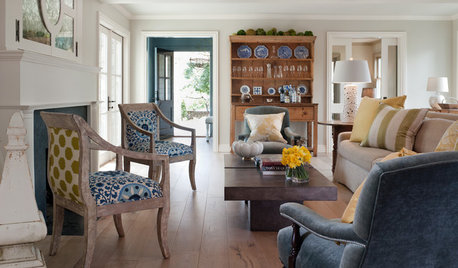
DECORATING GUIDES1 Chair + 2 Fabric Patterns = 1 Fabulous Look
Pair two contrasting fabrics on an upholstered chair to bring edge and an element of the unexpected to your interior decorating
Full Story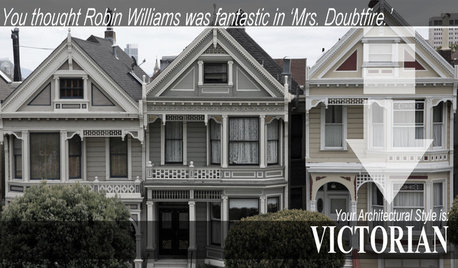
COFFEE WITH AN ARCHITECTFind Your Architectural Style, Part 2
If none of the home styles in Part 1 spoke to you, one of these is sure to float your boat
Full Story
HOUZZ TOURSMy Houzz: 2 Old Cottages Become 1 Cool, Colorful Home
A central entry unites 2 small houses, creating a home with an open living area, private bedrooms and eclectic decor
Full Story
HOUZZ TOURSMy Houzz: 2 Tools + 1 Resourceful Guy = Lots of Great ‘New’ Furniture
With scrap wood and a hands-on attitude, a San Francisco renter on a tight budget furnishes his bedroom and more
Full Story
DECORATING GUIDESOn Trend: 2-in-1 Furnishings for Small-Space Living
You'll be a convert to furniture that transforms when you see these chair-tables, unfolding wonders and more
Full Story
LIGHTINGWhen 2 Chandeliers Are Better Than 1
Double chandeliers can solve design dilemmas and give you twice the opportunity to show off your rooms in the best light
Full Story
HOUZZ TOURSHouzz Tour: Just-Right Realism in an Eclectic Family Home
With 1,100 square feet, a modest budget and 2 young children, a San Francisco family embraces a creative DIY approach
Full Story
SMALL HOMESMy Houzz: The Antidote to Dreariness, in One Small Brooklyn Apartment
1. Stir spirited colors together. 2. Sprinkle in playful decor. 3. Top off with the striking creativity of the gifted artist who lives there
Full Story
blindstar
capecodcook
Related Professionals
Louisville Kitchen & Bathroom Designers · Toms River Kitchen & Bathroom Designers · Miami Kitchen & Bathroom Designers · Gary Kitchen & Bathroom Designers · South Bend Kitchen & Bathroom Designers · Worcester Kitchen & Bathroom Designers · Clearlake Kitchen & Bathroom Designers · Grand Junction Kitchen & Bathroom Designers · Liberal Kitchen & Bathroom Designers · West Palm Beach Bathroom Remodelers · St. Louis Bathroom Remodelers · Traverse City Bathroom Remodelers · Bakersfield Bathroom Remodelers · Huntsville Kitchen Remodelers · Rolla Kitchen RemodelersrandgaltOriginal Author
blindstar